

Several years ago I began a trend of only reading nonfiction books in November. While I read a good bit of nonfiction anyway, there’s something fun about narrowing my focus to only nonfiction books for a month. It also means that by December I’m excited to jump back into fiction!
This month I read 16 books, all of which were either nonfiction or Christian/spiritual books. I paused the one fiction book I was in the middle of on my Kindle and plan to finish it in December.
I read multiple incredible books this month. I told my husband that I thought I had a pretty solid list of my favorite nonfiction books for the year, but November has knocked some of the other books off the list.
I’ll start with the spiritual books, then I’ll share all the nonfiction books I read in three categories—good, very good, and excellent.
November’s Spiritual Books
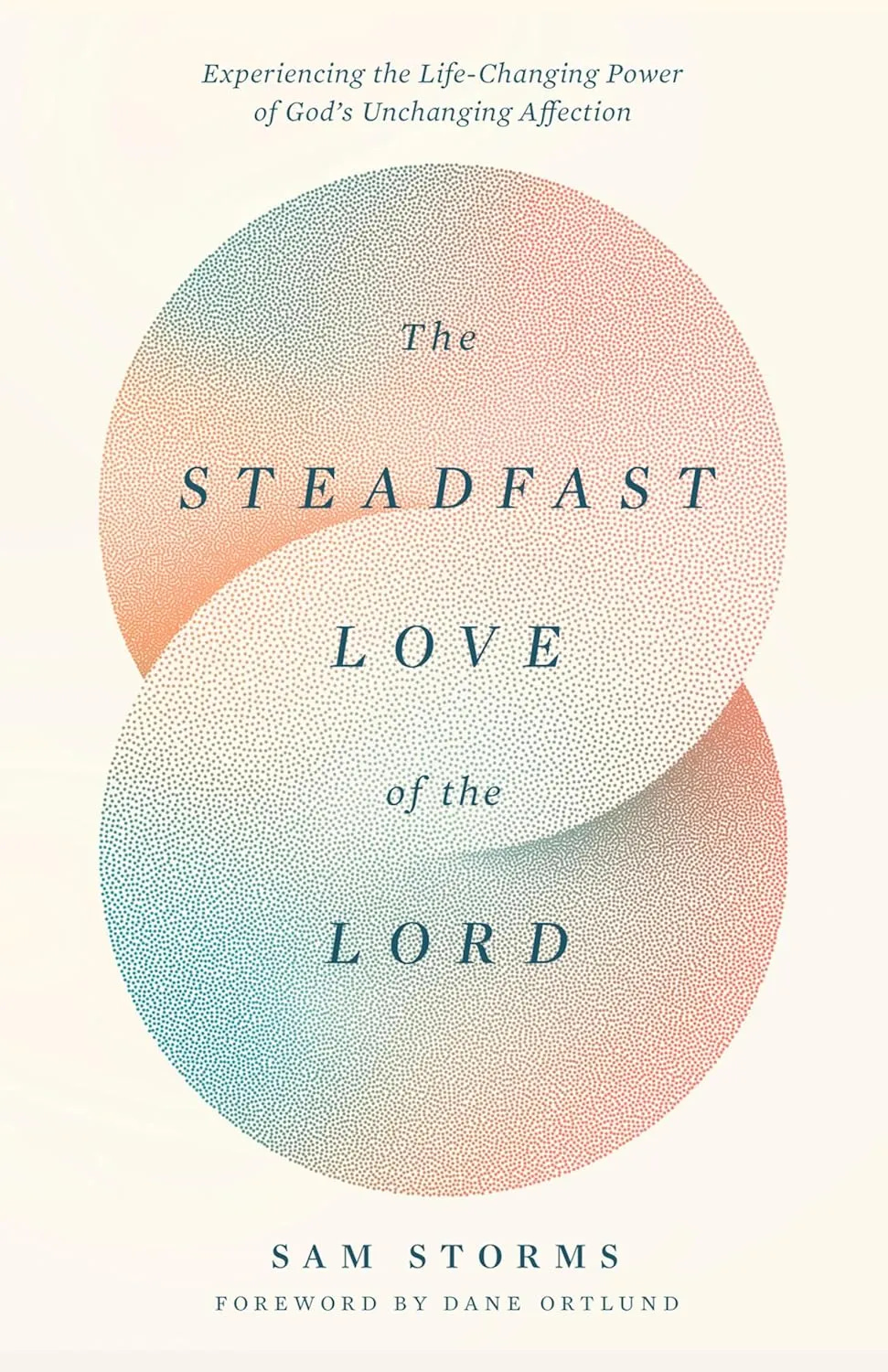
The Steadfast Love of the Lord: Experiencing the Life-Changing Power of God’s Unchanging Affection by Sam Storms
This is a new book that I was really looking forward to reading because I have felt like the Lord has been impressing on me the phrase “steadfast love.” In my Bible reading and other devotional reading it is a theme that just keeps coming up. Unfortunately, I did not enjoy this book. I found the writing style to be conversational in an very off-putting and at times condescending way. Maybe this book is intended for a newer believer—I don’t know. The chapters also felt very unrelated and disjointed, and I wonder if the book would have been better advertised as a series of essays. Because it wasn’t, the book was not what I expected. As far as I can tell there is nothing heretical or biblically incorrect; it was just a very difficult book to get through for me. Maybe you will have better mileage!
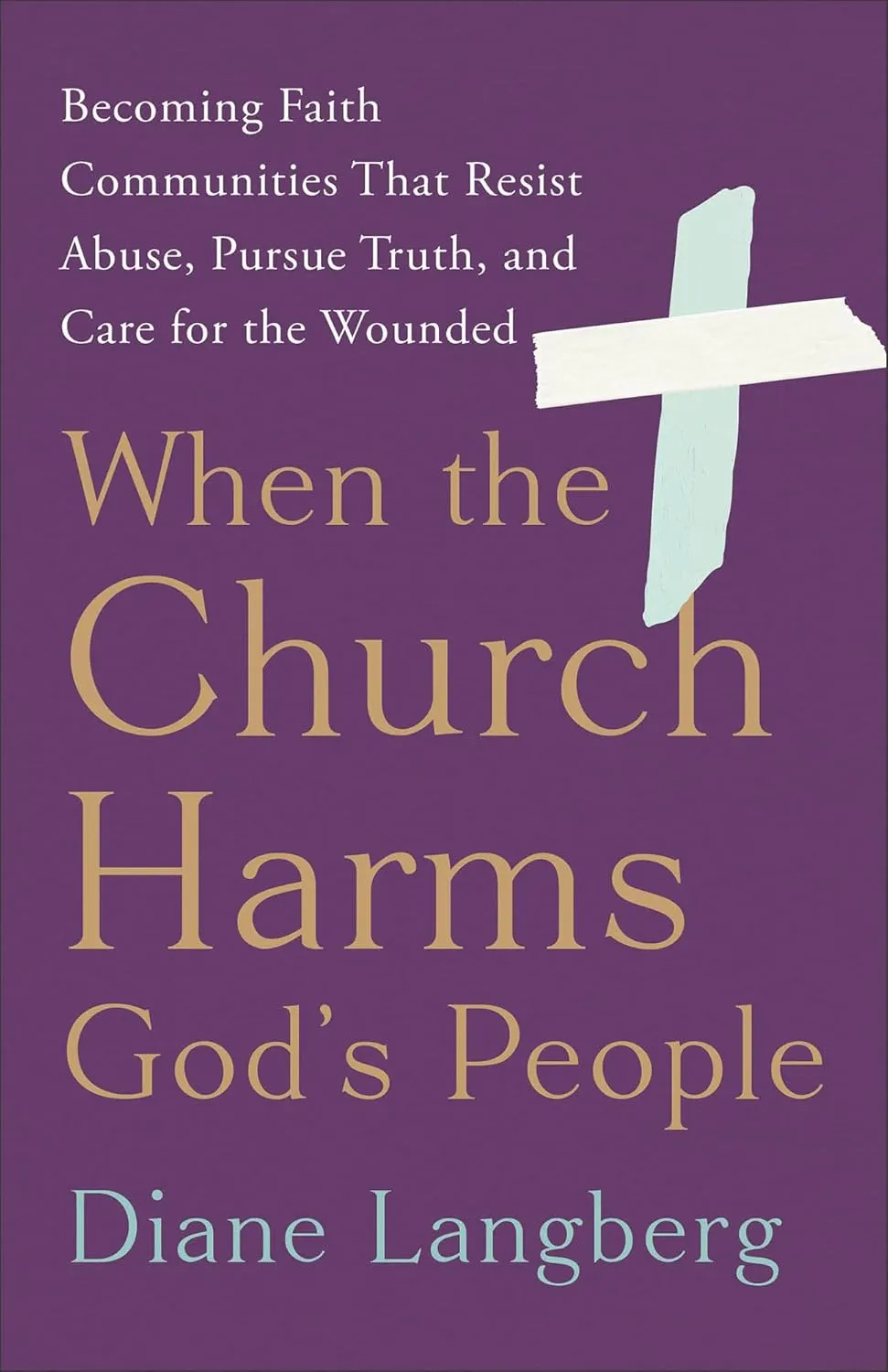
When the Church Harms God’s People: Becoming Faith Communities that Resist Abuse, Pursue Truth, and Care for the Wounded by Diane Langberg
My first introduction to Dr. Diane Langberg was through a YouTube video in which she presents a talk entitled, “Narcissism and the Systems It Breeds,” in which she talks specifically about how narcissistic leaders within the church create cultures that support and enable them. This video became a touchpoint for me and is one I have referred many Christians to over the years. This book is Dr. Langberg’s most recent and explores some of the same themes of that YouTube video. While I did not find it to be a deep exploration of the topic, it is an excellent book that I think anyone who has experienced abuse or harm within the church would appreciate.
If you are looking for more on this topic, see my post on spiritual abuse resources.
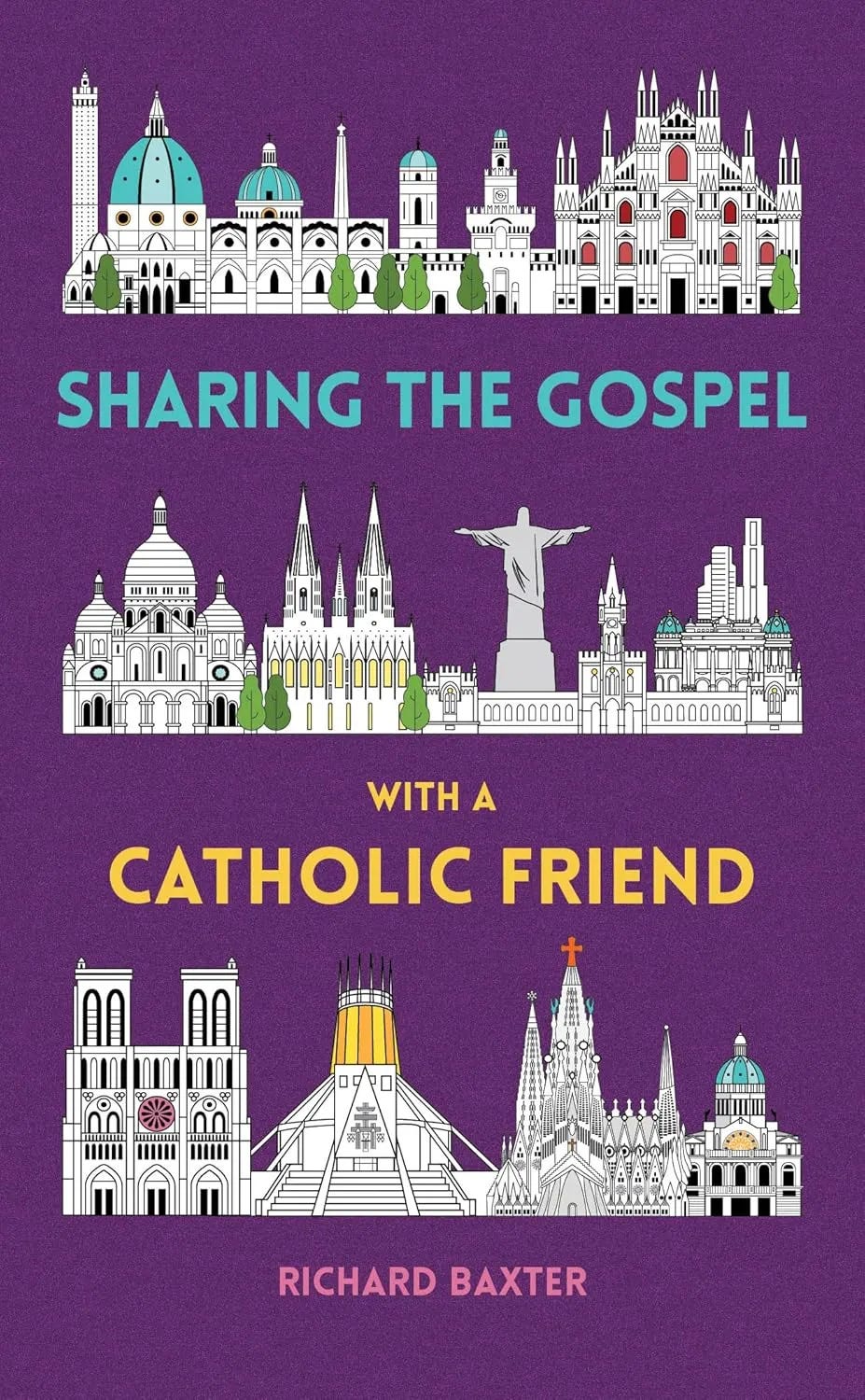
Sharing the Gospel with a Catholic Friend by Richard Baxter
One of my best friends is Catholic, and I did share with her that I was reading this book before I shared it here, just to make sure she wasn’t offended or taken off guard. Thankfully, she was not offended and has actually asked to borrow it to read for herself! I found this book to be so nuanced and winsome in the way that it approached a very difficult topic. The author is a former Catholic and so writes from a place of understanding, and yet he doesn’t get bogged down in trying to explain all the ways Catholic and Protestant theology differ. Throughout the book, his emphasis is on Christ and the gospel.
If this one isn’t relevant to you, there are other books in the series: Sharing the Gospel with a Muslim Neighbour and Sharing the Gospel with a Mormon.
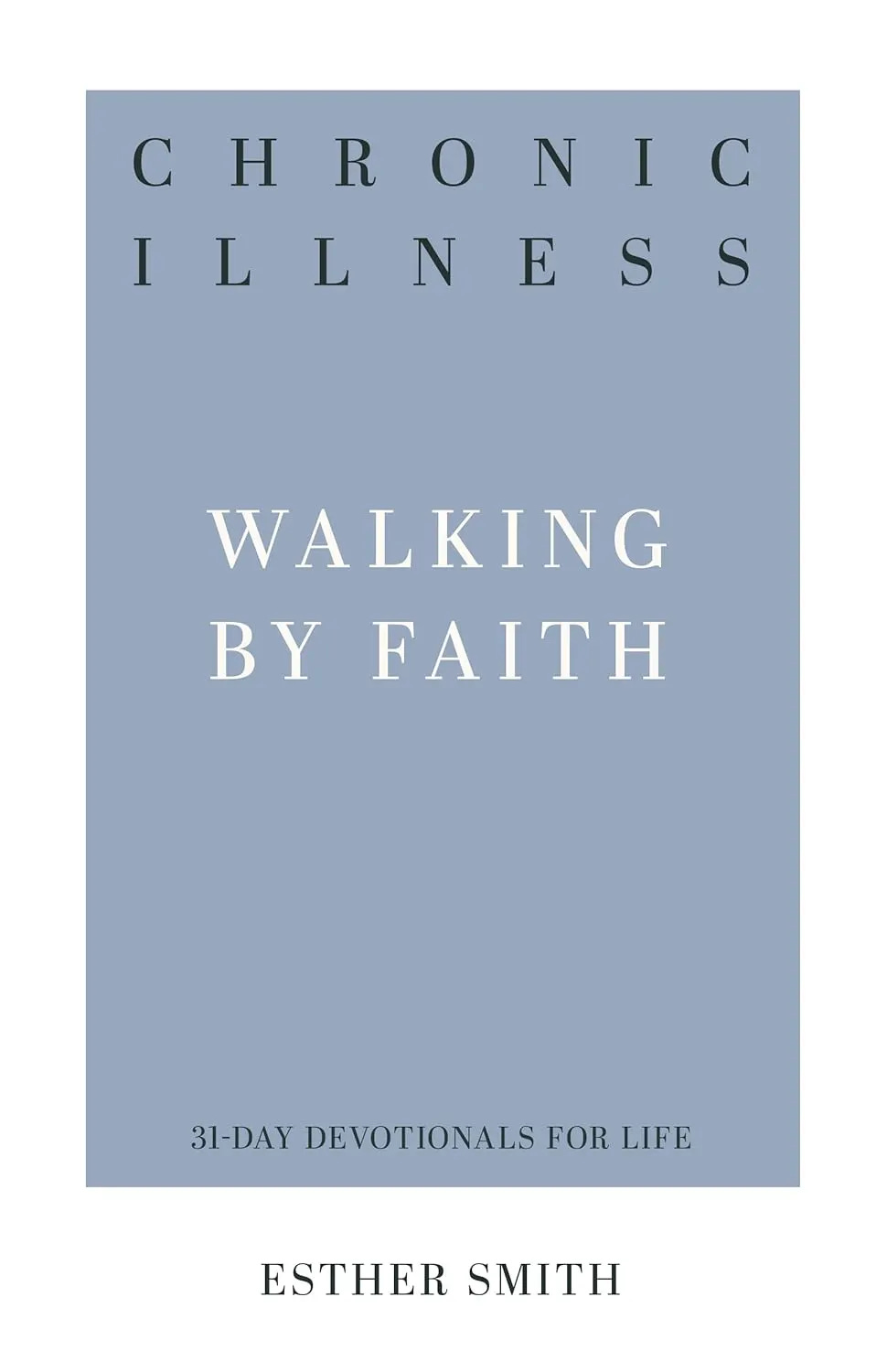
Chronic Illness: Walking By Faith by Esther Smith
I bought this one earlier this fall when I really began to feel despair about the ongoing pain in my arms. While at the time I wasn’t sure it was chronic in the sense that it would never go away, it had been an issue for 8 months, so it felt chronic enough. As it turns out, further tests from my doctor have shown that the cause of my arm pain is something that I might struggle with to some extent for the rest of my life. How grateful I am for this compassionate and encouraging book. Each day is two pages of reading with several questions for reflection as well as some action items on some days. Every day it felt like the Lord was speaking directly to me through the words of this book. I expect I’ll be revisiting this book again and again in the years to come.
If this title doesn’t jump out to you, here’s a link to some of the other titles in this series.
November’s 3-Star Nonfiction Books
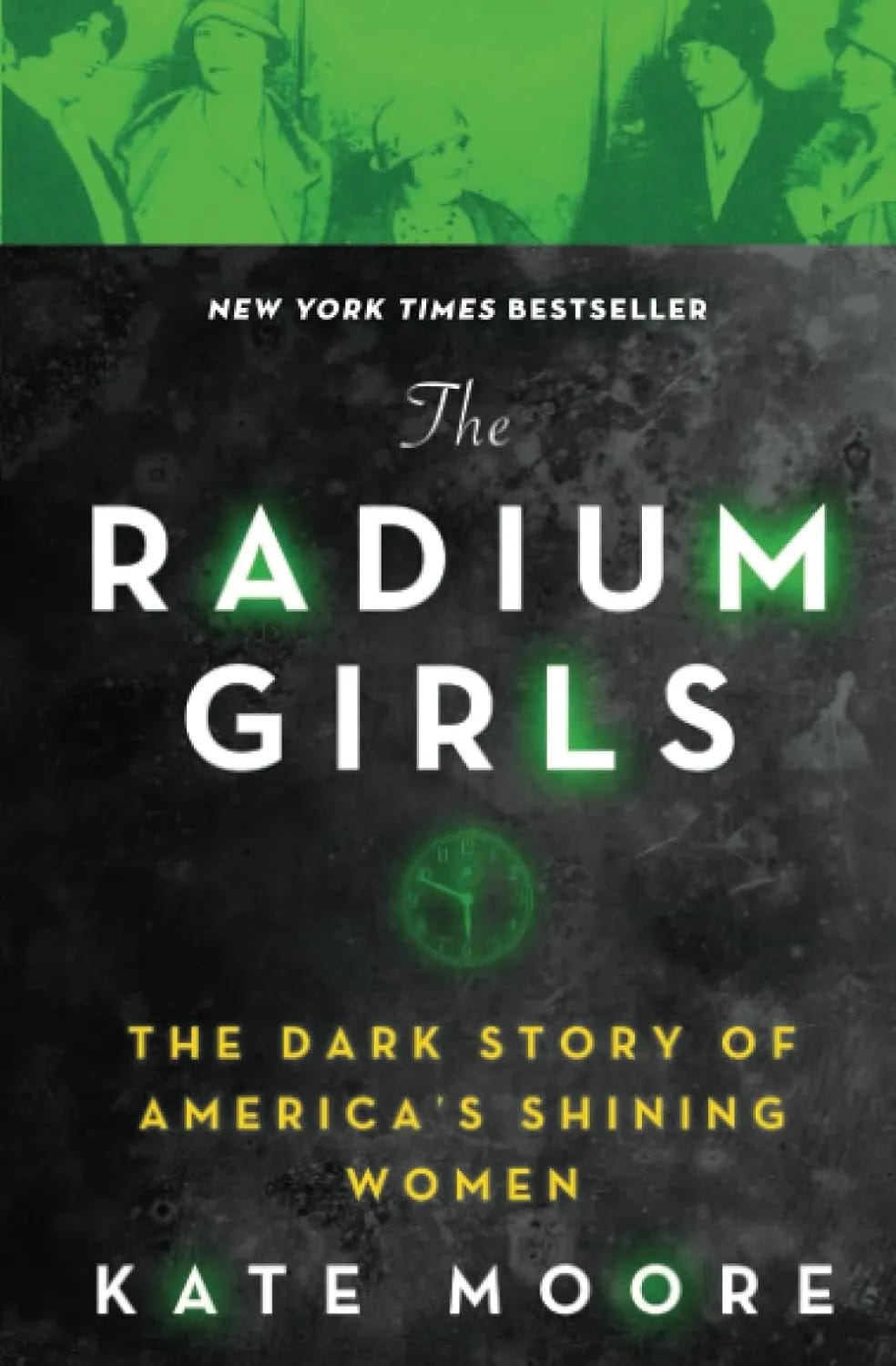
The Radium Girls: The Dark Story of America’s Shining Women by Kate Moore
I actually bought this book for my Kindle several years ago and never got around to reading it. I greatly enjoyed the author’s other book, The Woman They Could Not Silence. When the audiobook came up at the library, I decided this was the month to go for it. That might have been my first mistake: I did not enjoy the narrator. She attempted to alter her voice for various quotes and some of her voice changes sounded very silly. The other main issue I had with this book was the writing style. There came a point when I felt that if she referred to any of the women in the book as a “glowing girl” one more time, I thought I was going scream.
Let me be clear: the premise of this book is horrifying. Hundreds of women were exposed to lethal doses of radium before anyone really knew that radium could do to the human body. By the time this information was known, some women had died and many more were suffering from life-altering, fatal consequences. Then came the great gaslighting and cover-ups. As some women tried to hold the corporations and scientists responsible, there was incredible pushback. The courage many of these women had in a time period where women were often viewed as second-class citizens is heroic, and I don’t want to sound like I don’t think this is overall an incredible piece of history. It was just the writing. I hated it.

Cher: Part One: The Memoir by Cher
This was the first book I finished this month and it was a doozy with which to start the month. I knew very little about Cher but usually enjoy memoirs, especially when they are narrated by the author (Cher only narrates half of this; some parts are narrated by the woman who played her on Broadway). There was a lot of name-dropping and a lot of crazy stories about things she experienced in the first half of her life. Her marriage with Sonny was, from what she describes, a trainwreck. It sounds like he was a terrible person to her and that other people thought that as well. I think what bothered me about this book overall is that while Cher seems to be able to reflect on what caused other people to make poor decisions without excusing them, it felt like she made a ton of excuses for why she made what sounded like many poor decisions. I don’t think any sane person would be able to write about their life and not have any regrets, and yet she seems to gloss over some of the things she did and not be willing to do any kind of self-analysis. One example of this when she and Sonny have separated and she goes to live with her boyfriend, leaving her young child in the care of a nanny. She says, essentially, that this was a great arrangement because the nanny was wonderful. By all accounts, Cher seemed to have great affection for her daughter at the time and I can’t think of many moms who would be able to talk about maternal abandonment without any hint of regret. I actually think this book is a very interesting read from a psychoanalytical perspective, so if that’s something that you enjoy, I’d actually recommend this one!
November’s 4-Star Nonfiction Books
November was a great month of reading. These were all excellent books—they got 4 stars because I was rating them relative to other really great books I’ve read. If the topic of any of these interest you, check them out!
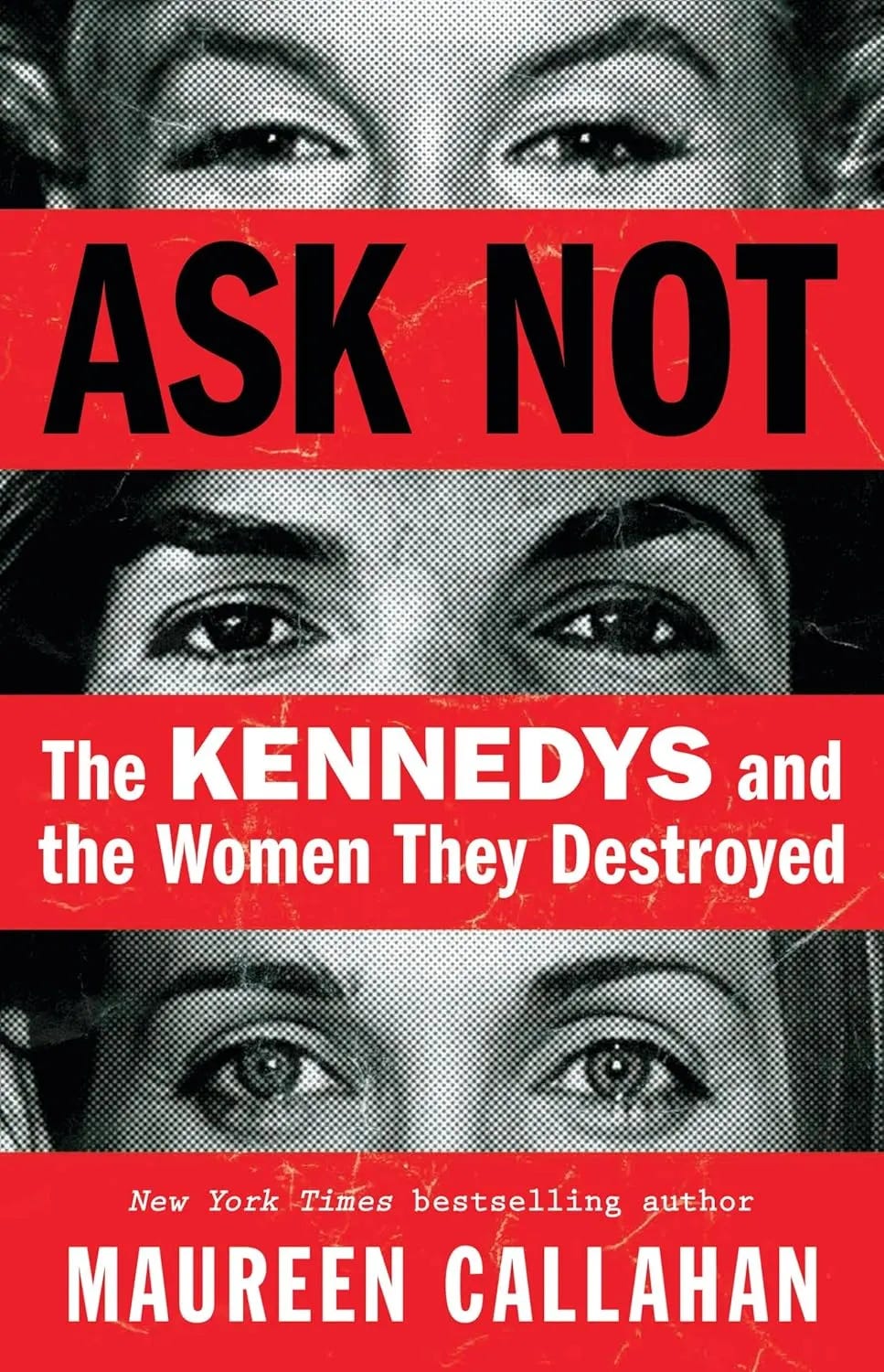
Ask Not: The Kennedys and the Women They Destroyed by Maureen Callahan
This book was fascinating from a historical perspective and also horrifying. Seeing the legacy of Kennedy men starting with the patriarch, Joseph Kennedy, Sr., was pretty bleak. This book looks at the lives of both wives of Kennedy men, Kennedy sisters, and other women whose lives were destroyed and sometimes ended by actions of men adjacent to the Kennedy family.
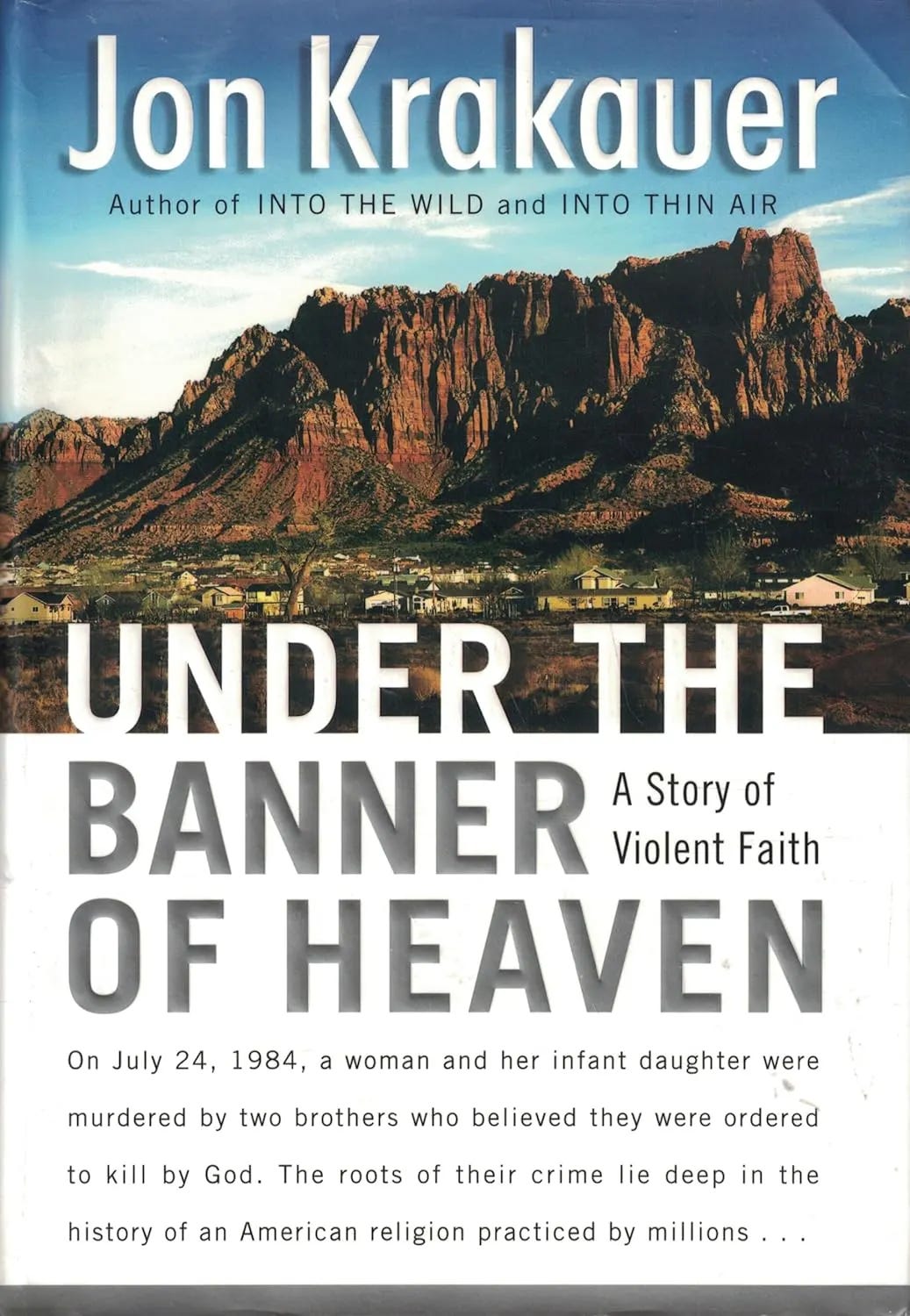
Under the Banner of Heaven: A Story of Violent Faith by Jon Krakauer
I read Into Thin Air soon after it came out when I was a teenager, and now that I think about it, I wonder if it sparked my love for nonfiction books. I had heard about this other book by the same author for years but never got around to reading it. As it turned out, I was pretty familiar with the story and with fundamentalist Mormons because I’ve read multiple books about Mormonism as well as accounts from survivors. What was especially interesting about this book was that the story of the murders at the center of the book is intertwined with the history of Mormonism, from Joseph Smith to the present day. I knew little about the specifics of Mormon history and listened to this entire book while painting our teenagers’ new bedroom—Joseph Smith will forever remind me of the smell of paint.
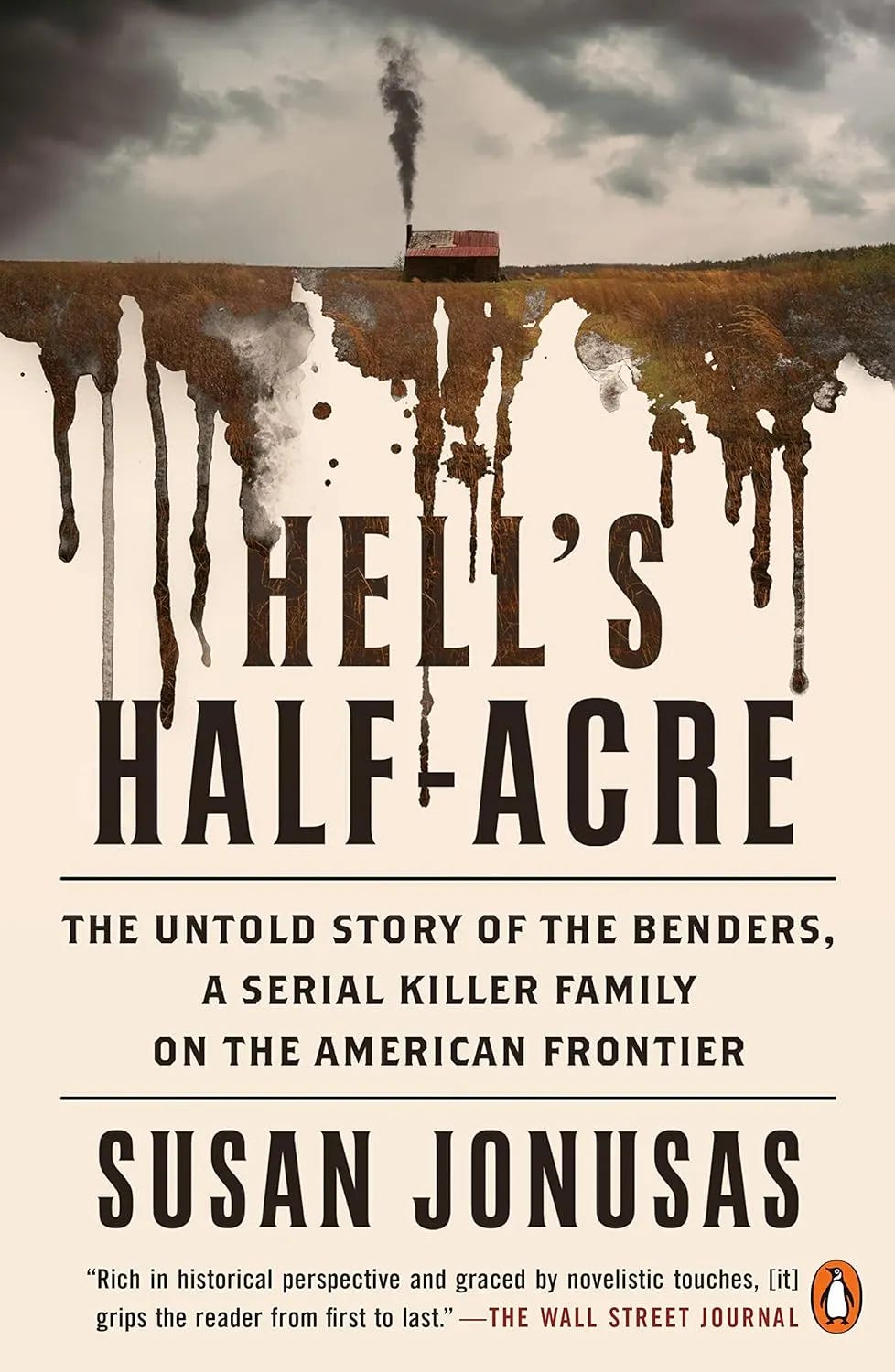
Hell’s Half-Acre: The Untold Story of the Benders, a Serial Killer Family on America’s Frontier by Susan Jonasus
Just when you think you’re familiar with the most famous serial killers… another book comes out. This was a fascinating book about a family who lived during the time of Westward Expansion. I was pleased that I remembered the term “Bleeding Kansas” from my high school U.S. History class. I won’t spoil anything—this is just another nonfiction book that reads like a novel.
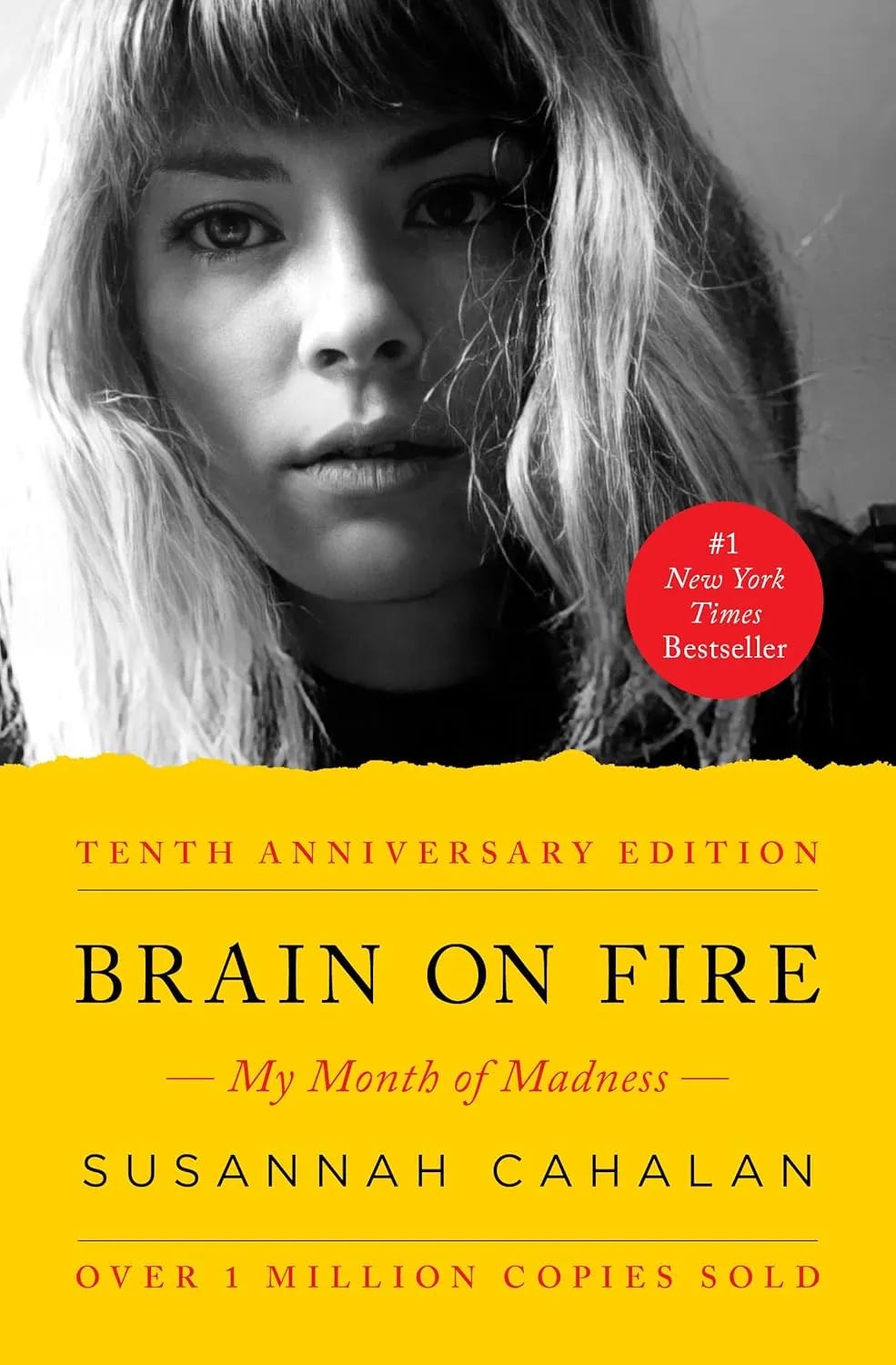
Brain on Fire: My Month of Madness by Susannah Cahalan
This book had been on my radar for years. It is the true story of a woman who suddenly developed strange neurological and physical symptoms that led most of the people around her to think she had truly lost her mind. I was profoundly impacted by the stories of doctors dismissing some of her symptoms, including a doctor who said she was just having alcohol withdrawal even as she and her mother insisted that she hadn’t had alcohol in weeks. There is also much beauty in this story as you see people in her life remain devoted to her despite her “madness.”
Rehab: An American Scandal by Shoshana Walter
Listen: Nobody said this was “Happy Ending November.” Here’s another real downer, but I think it’s still an important book. It is an account of how many rehab facilities that operate on a for-profit basis have done great harm to the people who have been placed in their care. The book covers several individuals and their stories. I found it balanced and fair, not making excuses for the behaviors that led people to these facilities, but also attempting to hold these businesses responsible for their actions.
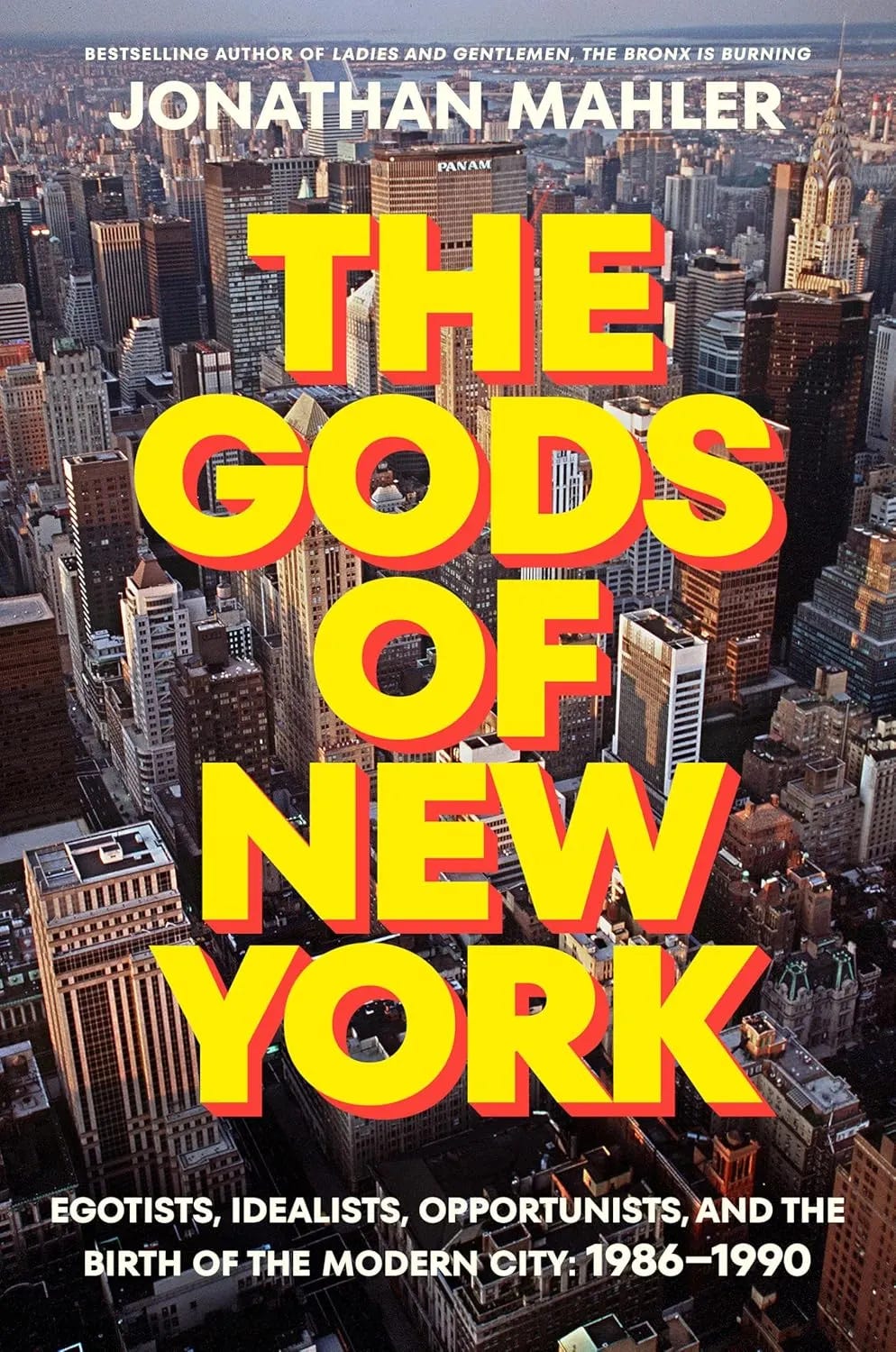
The Gods of New York: Egotists, Idealists, Opportunists, and the Birth of the Modern City: 1986-1990 by Jonathan Mahler
This was a book that I started on a whim because it was something I knew almost nothing about. Who would have thought a book about 4 years in New York City 40 years ago would be interesting? It really was, though, and you’ll be surprised at how many names you recognize in the pages of this book (Giuliani and Trump, to name a few).
November’s 5-Star Nonfiction Books
I read four books this month that earned 5 stars from me. I initially rated one of them 4 stars, but as I worked on this post I realized that I have thought about that book so much that it deserved another star. It is a book that will stay with me for a long time, not only because I also listened to it while painting our boys’ room and so it will be indelibly linked to my memory of painting the white trim around the bottom of the room.
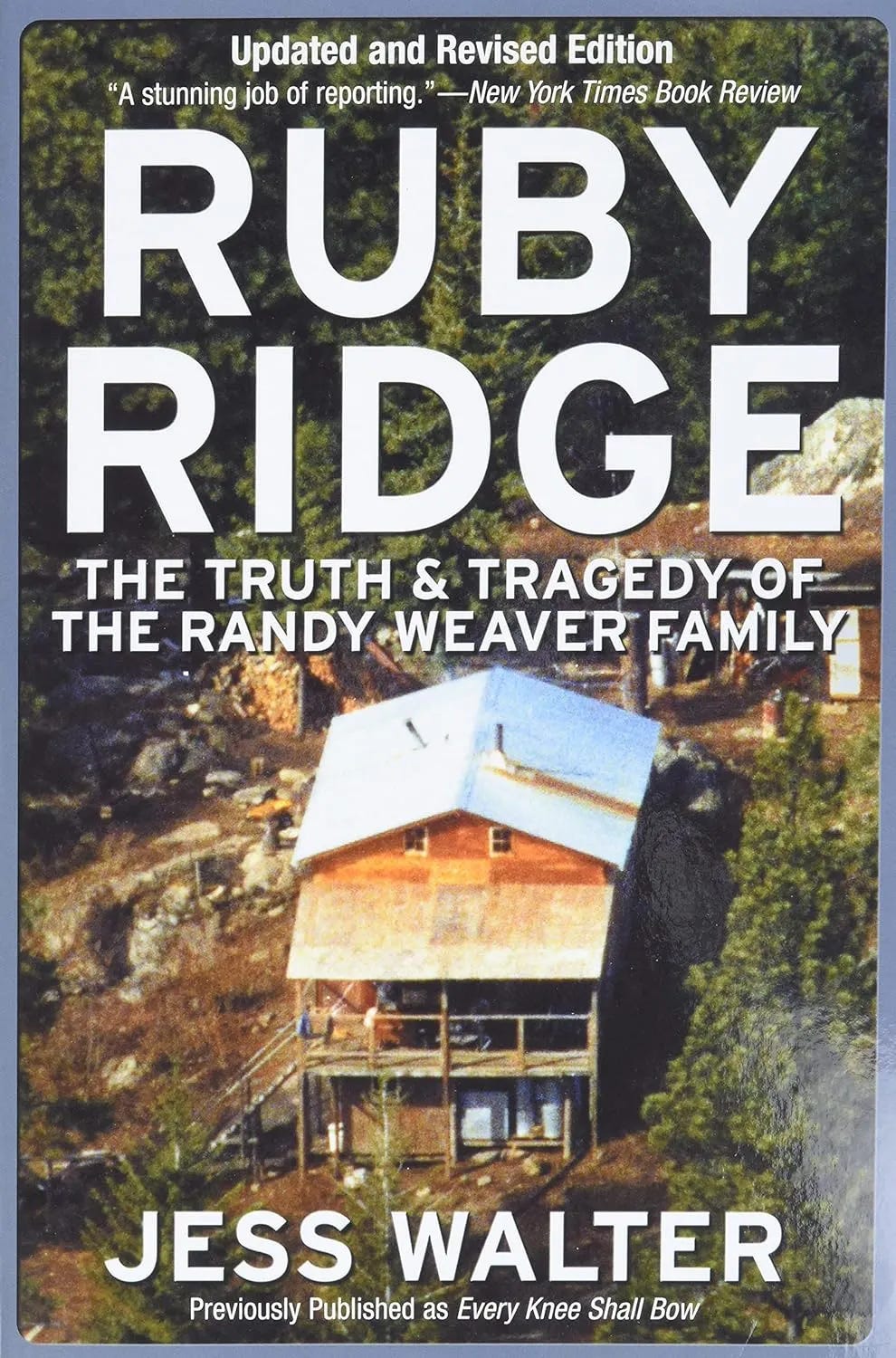
Ruby Ridge: The Truth and Tragedy of the Randy Weaver Family by Jess Walter
I bought this for my Kindle earlier this year when it was on sale. I wasn’t very familiar with the story of Ruby Ridge, but I’d heard it referenced in books about Waco and David Koresh as well as in Educated by Tara Westover. As I started reading it, the author’s name was rolling around in my head and I realized I just read a fiction book by him: So Far Gone, my favorite book in October. This book was written in 2002, about a decade after the events at Ruby Ridge, and it begins with the story of how Randy Weaver and his wife met and ends long after what is known as “Ruby Ridge” transpired. From what I could tell, it was meticulously reported, and I devoured this book.
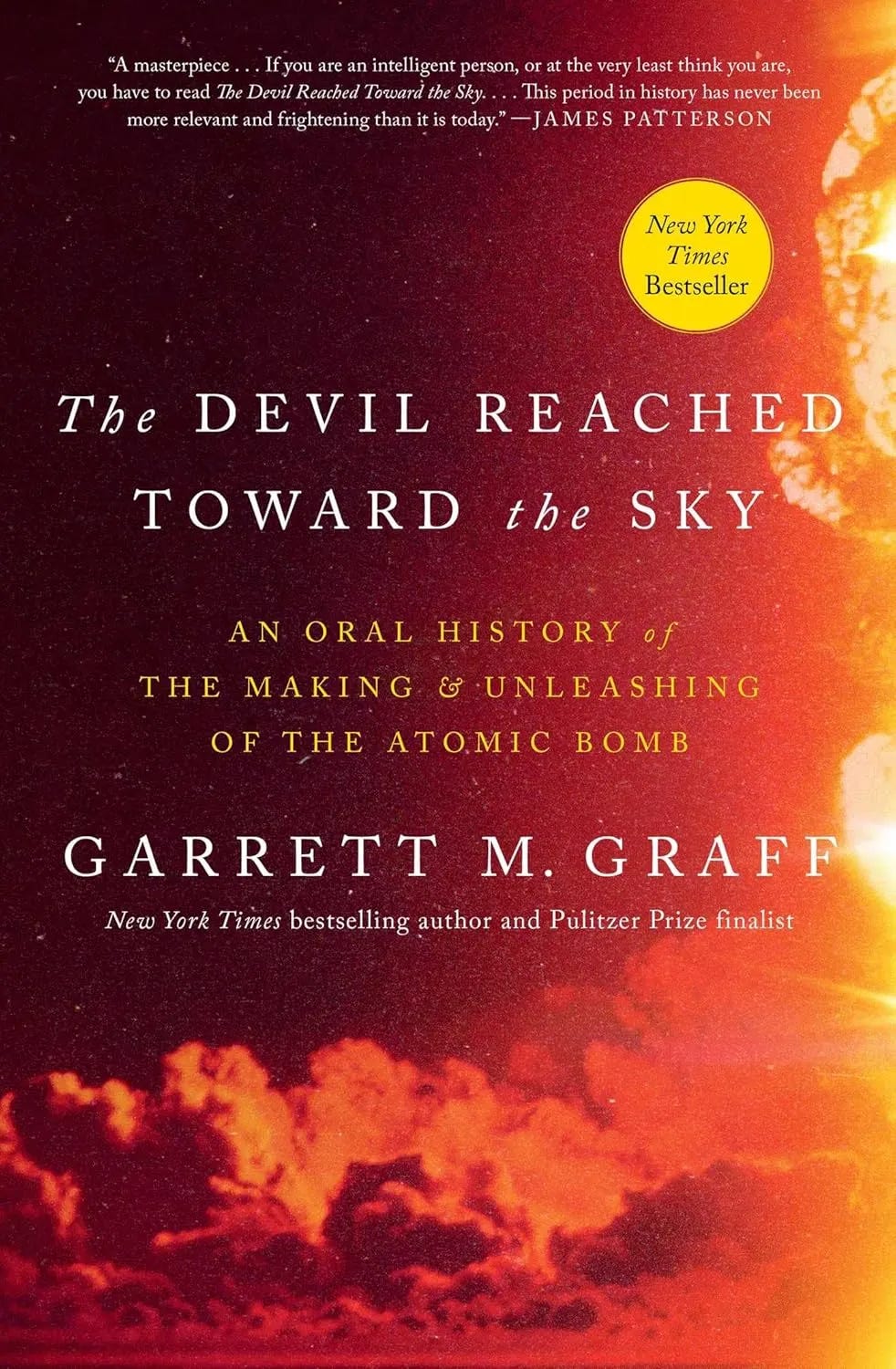
The Devil Reached Toward the Sky: An Oral History of the Making and Unleashing of the Atomic Bomb by Garrett M. Graff
I have loved both of the author’s other oral histories (one on 9/11 and the other on D-Day). It probably goes without saying that you should look for these on audiobook! This one was just as compelling as the other two, and there was so much I learned about this period of history. Probably the most devastating part of the book was the oral accounts of when the bombs were dropped on Hiroshima and Nagasaki.
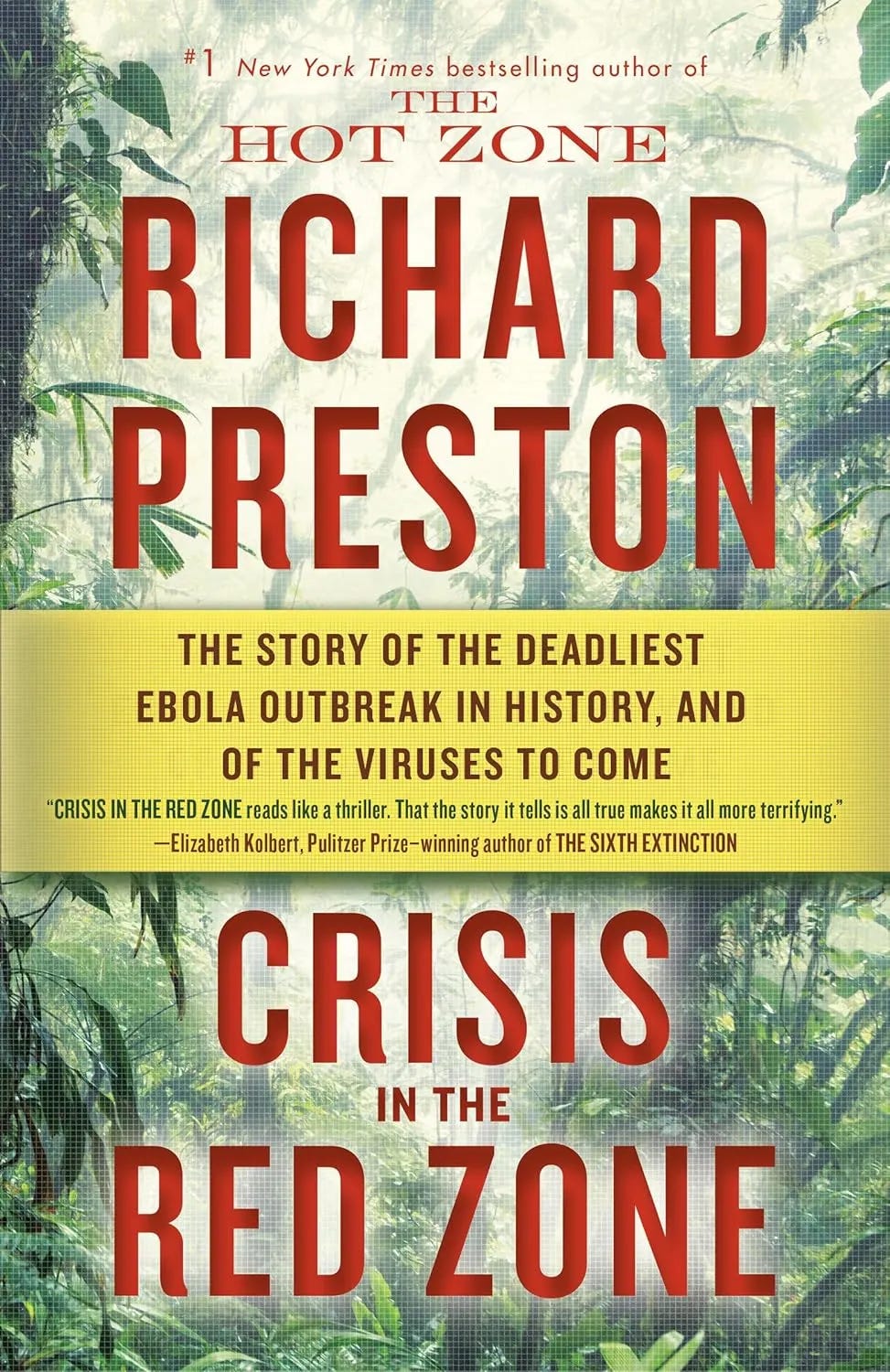
Crisis in the Red Zone: The Story of the Deadliest Ebola Outbreak in History, and of the Outbreaks to Come by Richard Preston
Until I re-rated the book below, this was going to be my favorite book this month. This book reads like a psychological thriller, and the enemy is Ebola. The terror of this disease seeps through every page. I also realized as I was reading that I have vague memories of this particular outbreak, which occurred in 2013-2014. Our boys were young, but I remember reading in the news about two American medical missionaries who contacted Ebola and were being brought back to the States. The story of those two individuals is told in these pages, as well as the unimaginable suffering by native Africans and those trying to help them.
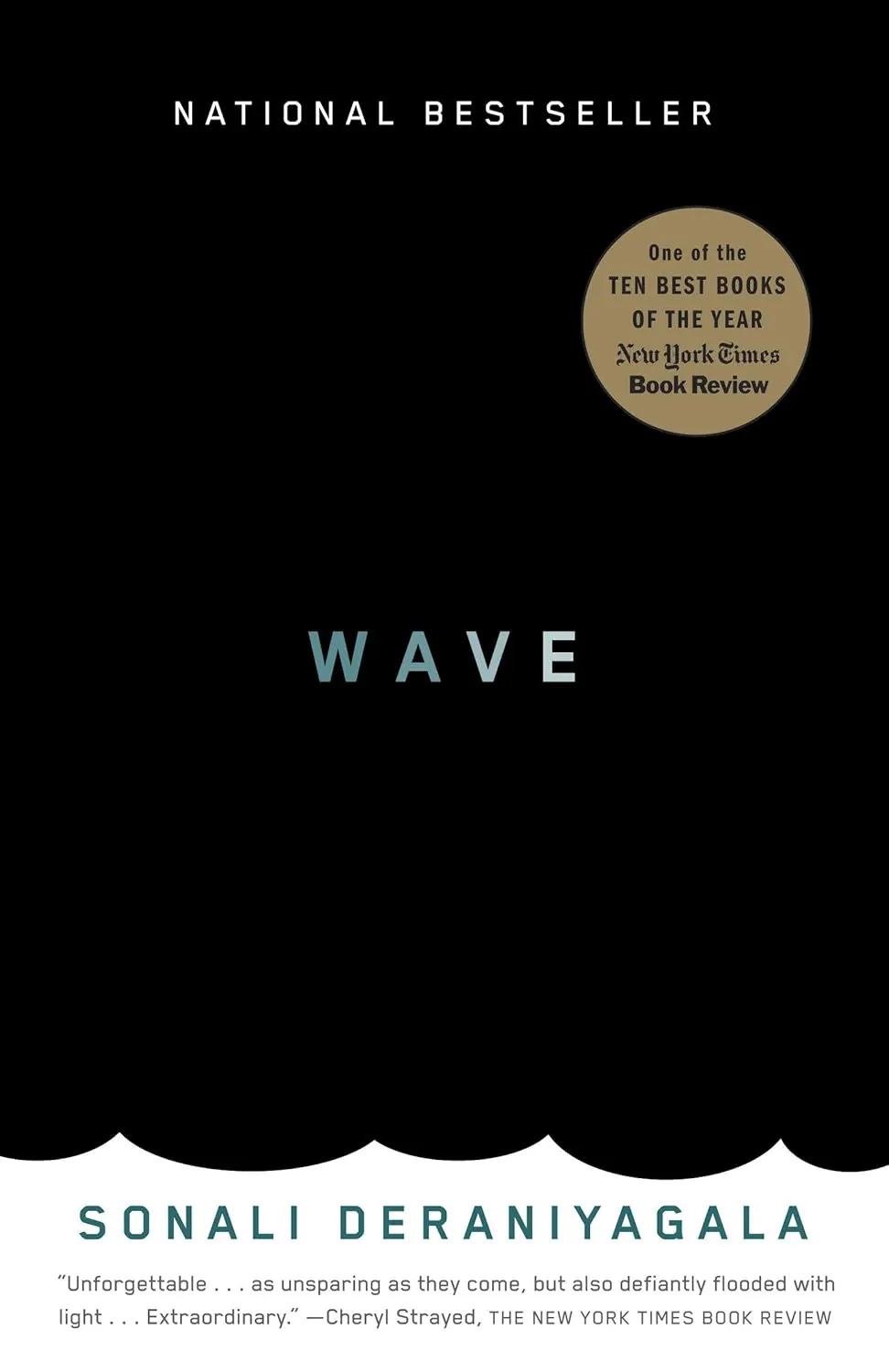
Wave: A Memoir by Sonali Deraniyagala
Sometimes I will read a book and enjoy it, and then I will go and read negative Goodreads reviews and find myself agreeing with the reviewer. That did not happen with this book. First of all, I can’t say I “enjoyed” a book about a woman who lost her husband, two sons, and parents in an instant after a tsunami hit Sri Lanka while they were on vacation. I can say that it powerfully impacted me. But what bothered me about the Goodreads reviews were that some people were saying they thought the author was ungrateful and terrible in terms of her behaviors after the event took place. There are several scenes where she describes feeling nothing, feeling angry, lashing out at people trying to help her, and so on. Having read the whole book myself, my response to those reviewers was that they must never have experienced any kind of trauma. While the author does not excuse any of her unkind or angry actions, I think they are all perfectly explainable in light of what she experienced. I found this book to be a profound piece on grief and suffering, made even more painful to listen to because her two boys were the same age as my younger two children are now. To attempt to put myself in her shoes was a powerful experience, and while I do have the hope of Jesus, I don’t know that I would have responded much differently. Trigger warnings abound, of course, but if you think you can handle it, give this one a try.
That’s it for November—I’m at 154 books for the year, so my soft goal is to try to hit a nice even 170 by the end of the year. In the meantime, I’d love to know what you enjoyed reading this month!