

What makes a good book? What makes a good nonfiction book? For me, what would make a book likely to make this year-end list is if it was well-written, informative, and a book that impacted me emotionally. The topic of the book is less important, and I read all kinds of nonfiction books, from personal development to investigative journalism to probably my favorite genre—memoirs. This 2025 list contains books in all those categories, as well as a high percentage of books about cults, which should come as a surprise to no one.
Investigative Journalism
In trying to separate out the books into categories, I put these together because they were all written by people who had to really push to get the information and interviews necessary. Some of the people interviewed for these books would definitely be considered “hostile witnesses.”
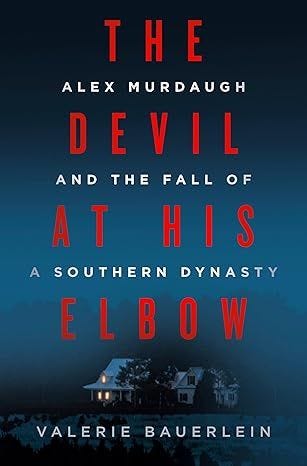
The Devil at His Elbow: Alex Murdaugh and the Fall of a Southern Dynasty by Valerie Bauerlein
This was one of the first books I read in 2025 and it stayed with me all year. While the Murdaugh situation happened not far from where we live, I hadn’t paid much attention to the many podcasts and documentaries. I only knew the very basic outline of what had supposedly happened. This book pulls no punches and tells the whole story. It’s tragic and terrifying.
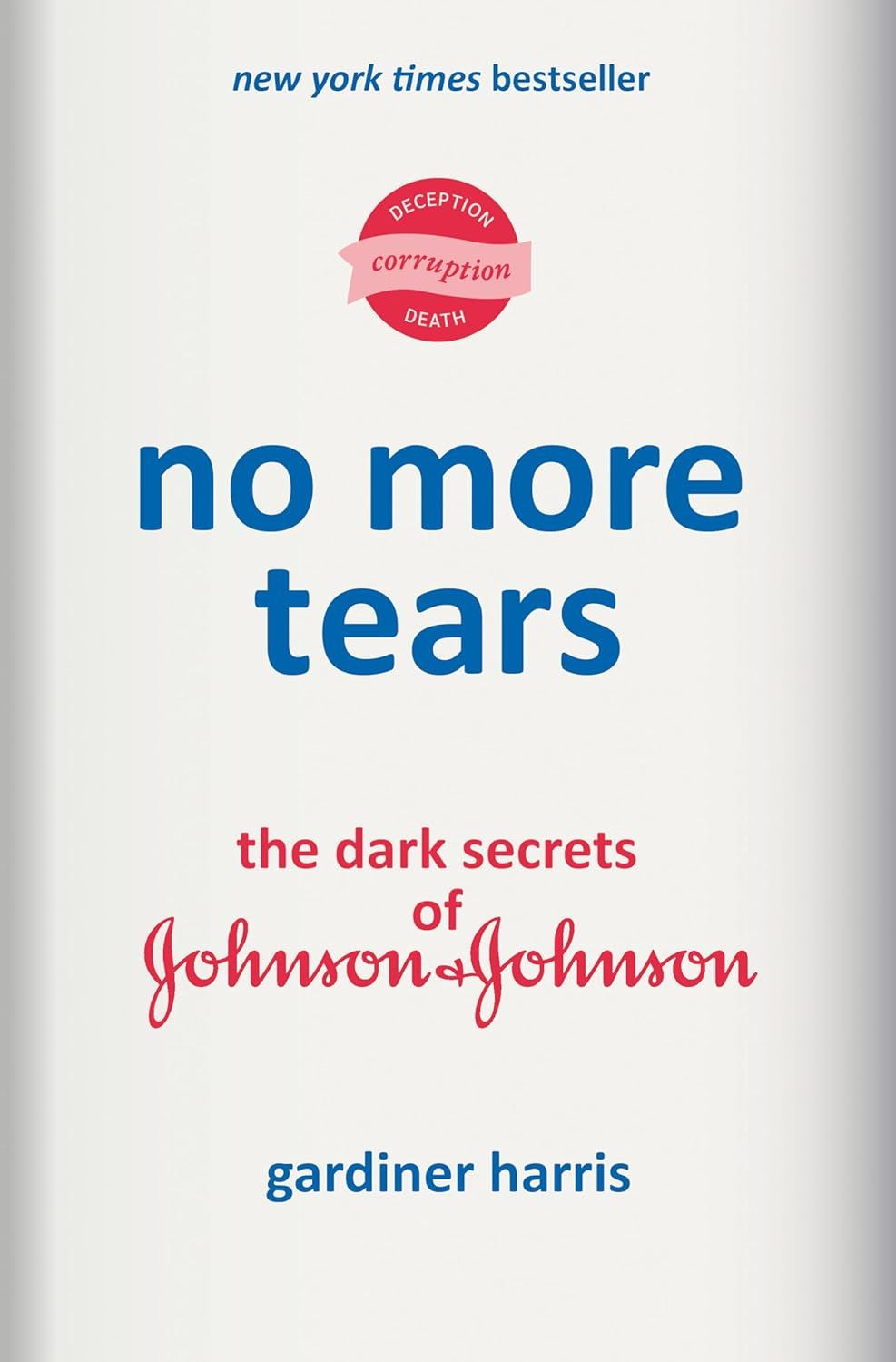
No More Tears: The Dark Secrets of Johnson & Johnson by Gardiner Harris
First of all, the person who designed this book cover should win all the awards. It’s brilliant. This book was also terrifying. I’ve never had another book make me check my medicine cabinet to see if we had any body powder that contained talc (we did—it went in the trash). This looks at the Tylenol poisoning in 1982, a situation that I learned about in college as to how a company can bounce back from a negative event, and learning about how the company has handled pretty much anything left me never wanting to buy anything they’ve ever made.
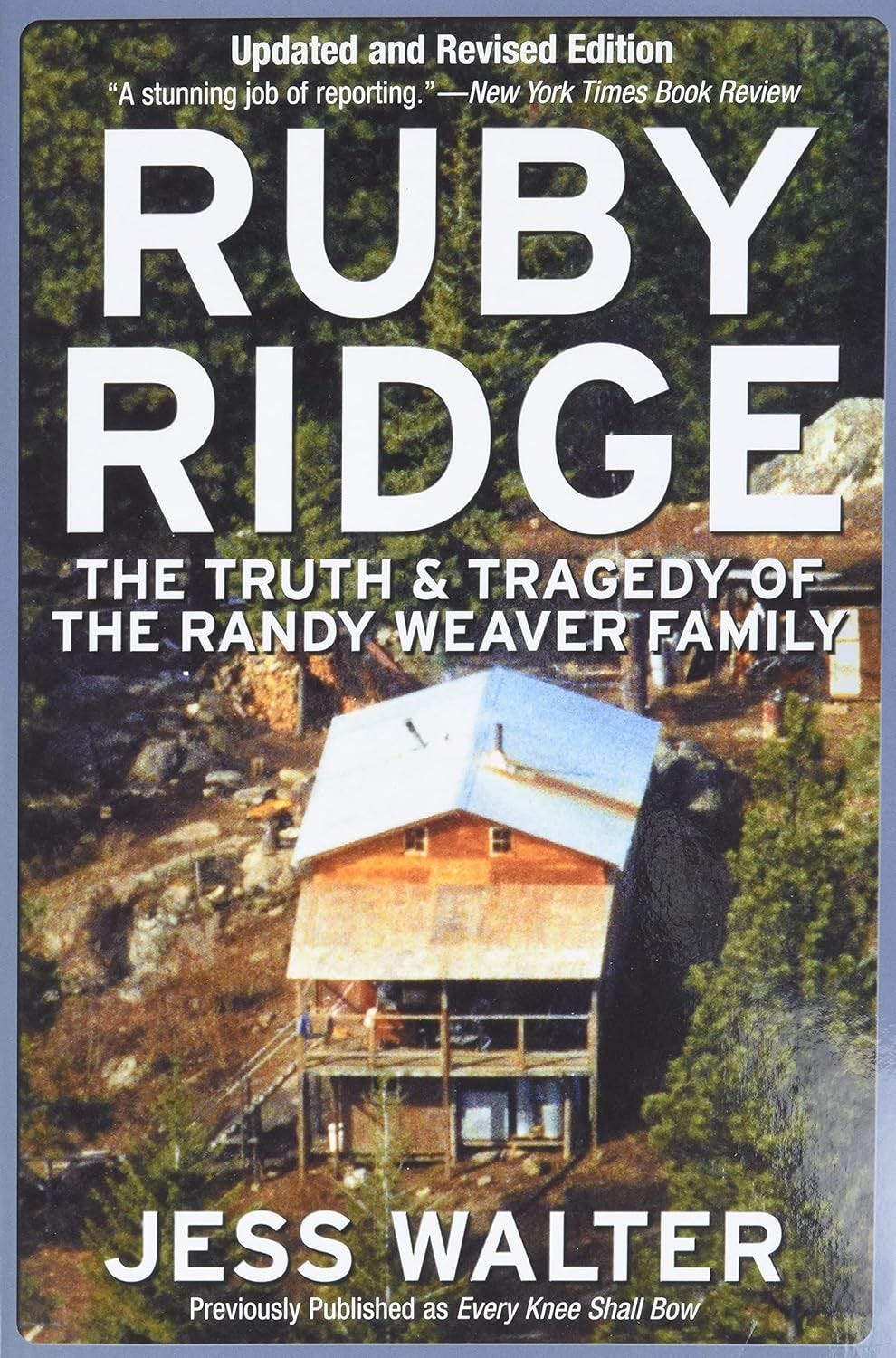
Ruby Ridge: The Truth and Tragedy of the Randy Weaver Family by Jess Walter
I got this book on a Kindle deal last year and was curious to read it because I have heard Ruby Ridge mentioned in other books like Educated and stories about Waco and David Koresh. It turned out to be a comprehensive history of the Weaver family’s origins as well as the circumstances that led to the deadly standoff. It explored other people who lived in the area a the time and how they were affected, and I thought it was balanced in how it showed the actions of both the federal agents as well as the family. I found it a very human book.
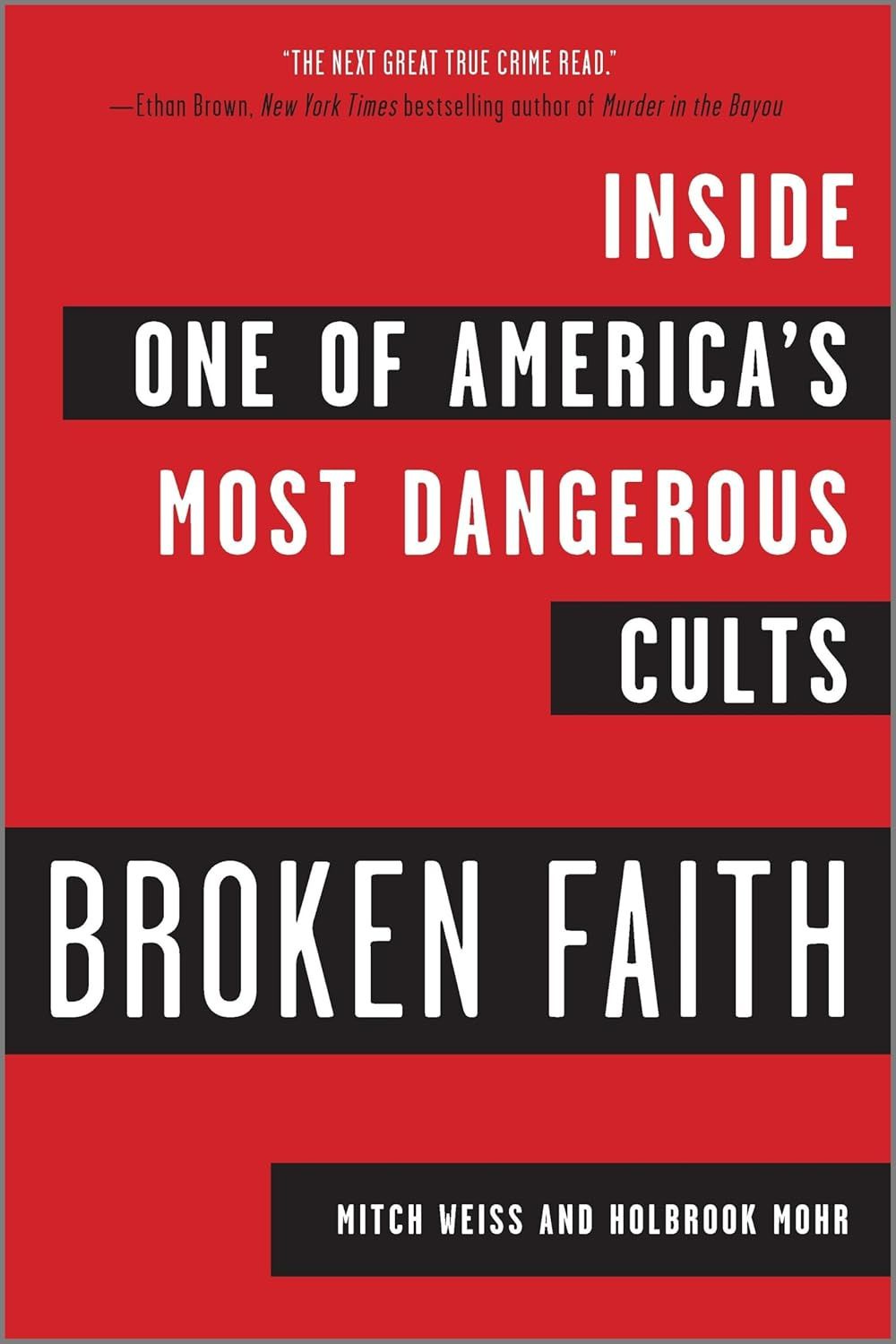
Broken Faith: Inside the Word of Faith Fellowship, One of America’s Most Dangerous Cults by Mitch Weiss and Holbrook Mohr
I had never heard of the Broken Faith cult, but now I know about as much about it as I could ever want to. This book read like a fiction book from start to finish, and what makes it so awful is that it’s about true events. Word of Faith Fellowship used to have a more full-fledged website, but it looks like the book has had an impact.
History
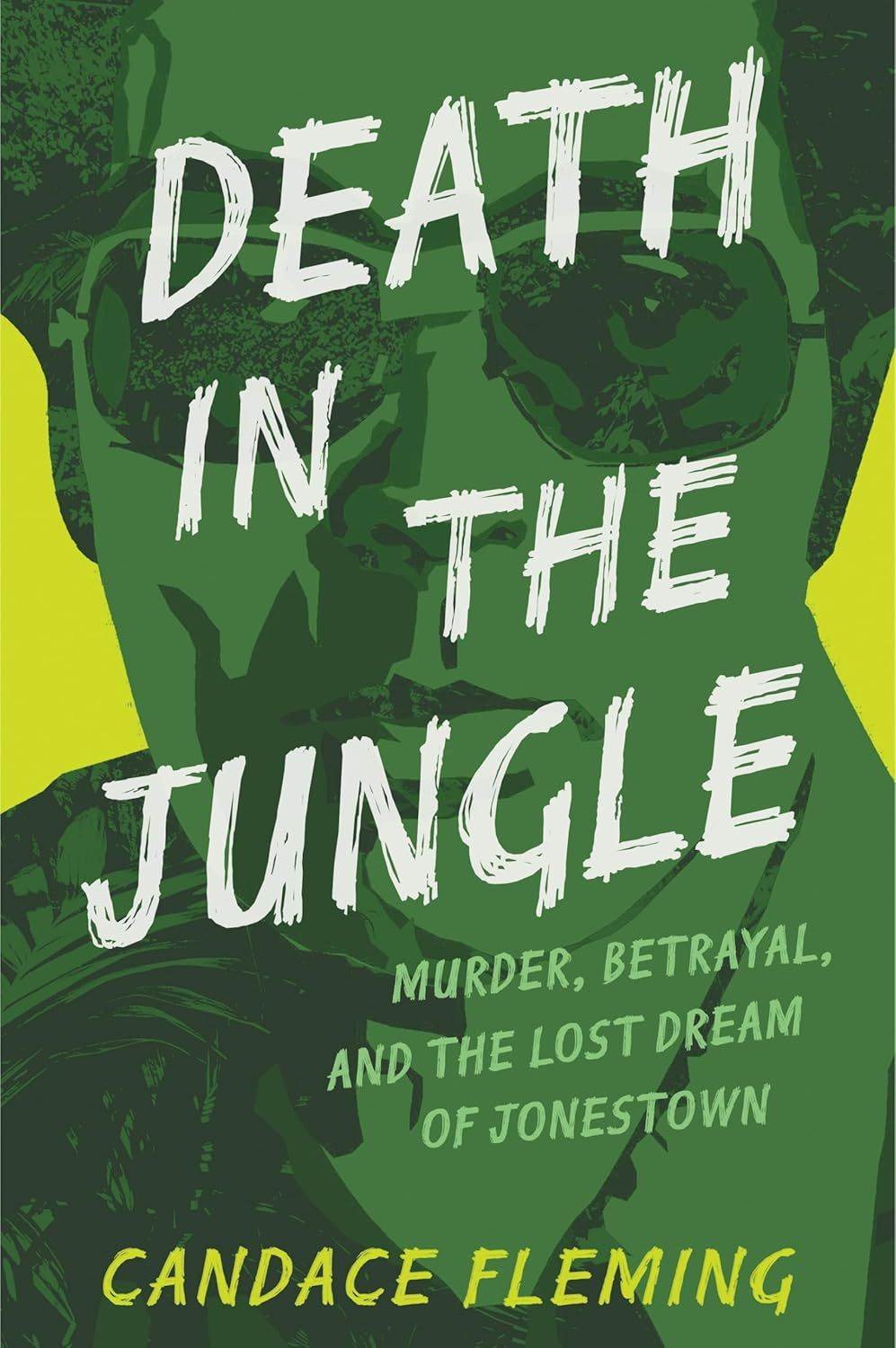
Death in the Jungle: Murder, Betrayal, and the Lost Dream of Jonestown by Candace Fleming
My husband and I were trying to find a show to watch a few weeks ago and he was looking at a documentary about Jonestown. I told him that I thought I had dived all the way to the bottom of the Jonestown rabbit hole and didn’t need to consume any more information about it. This book was a good way to finish up my exploration into that awful event, as it heavily leans on the testimony of one of Jones’s children.
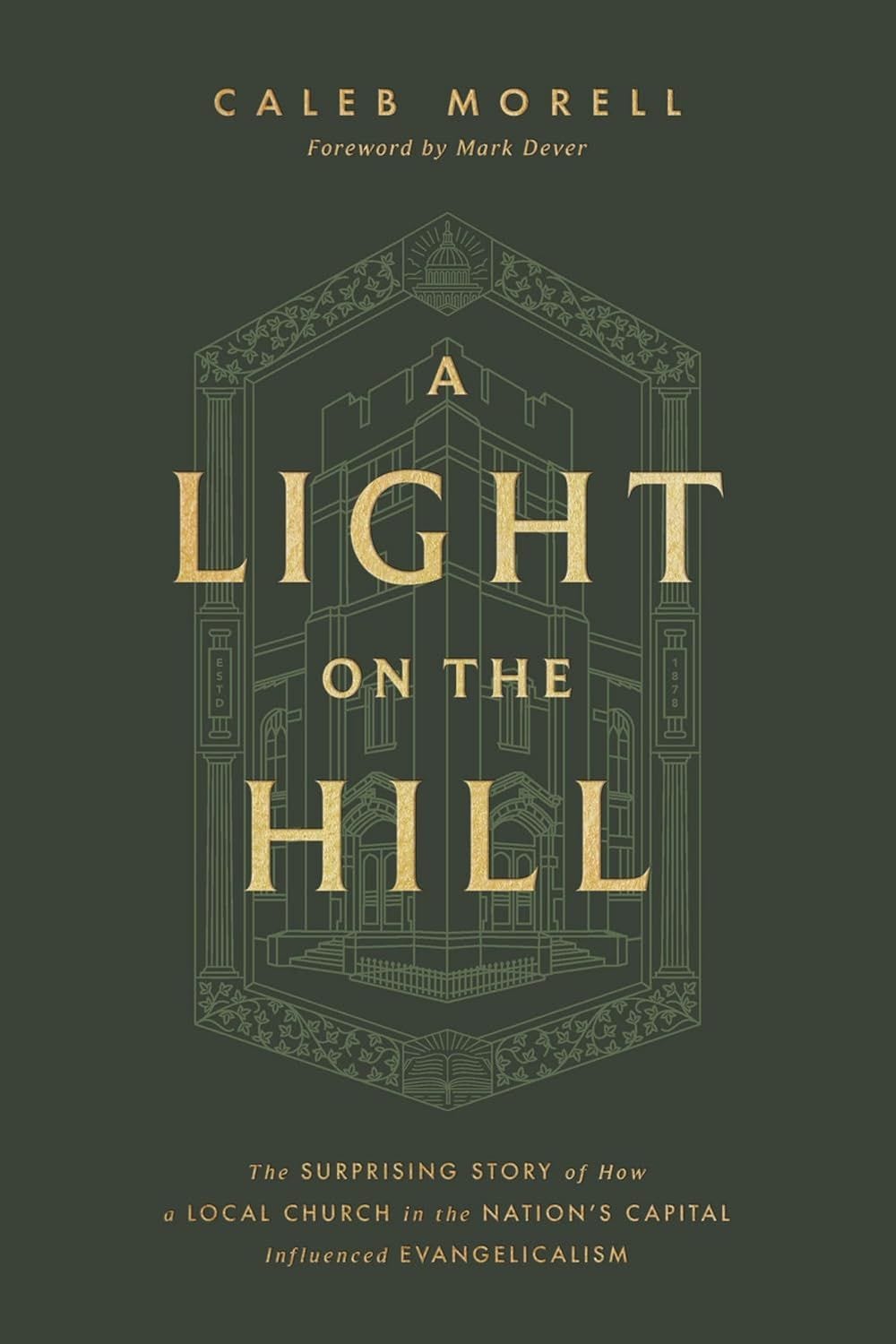
A Light on the Hill: The Surprising Story of How a Local Church in the Nation’s Capital Influenced Evangelicalism by Caleb Morell
I would not have thought that a book about the history of a church would be so interesting, but this book was captivating. Capitol Hill Baptist Church was planted in Washington, D.C., in the 1800s, so the church and its members lived through hugely important historical events, many of which are referenced in this book. But what really made this book stand out for me was how encouraging it was to me as a member of a church in an ordinary place. It encouraged me to trust the Lord with our little church, no matter what the future holds.
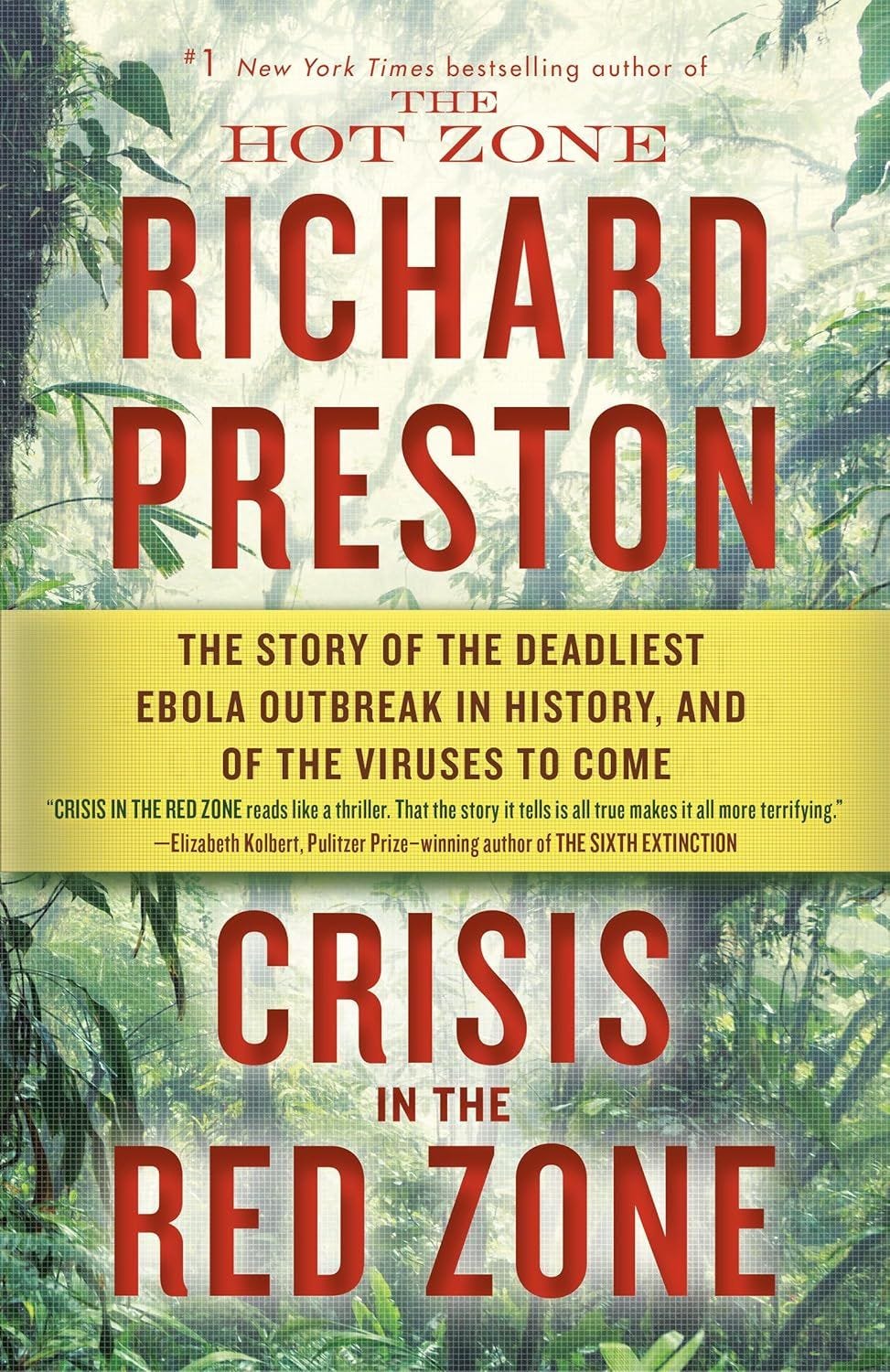
Crisis in the Red Zone: The Story of the Deadliest Ebola Outbreak in History, and of the Outbreaks to Come by Richard Preston
If you thought the Covid pandemic was scary, this one will really send you over the edge. Another book that reads like almost post-apocalyptic fiction, the author does a tremendous job of explaining the disease and respecting and honoring the people who worked the hardest to end the outbreak—who didn’t end up being the people we read about in the news.
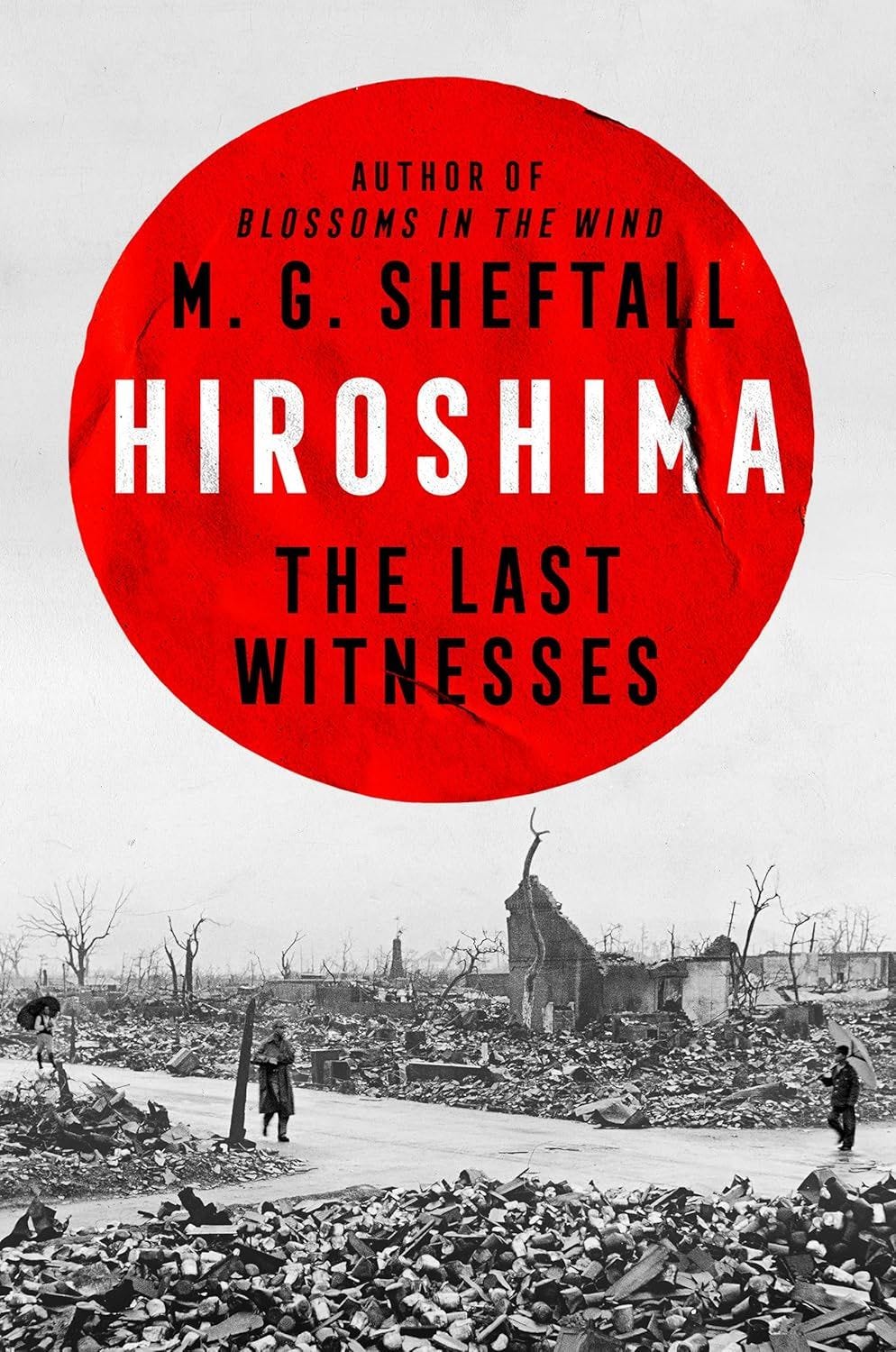
Hiroshima: The Last Witnesses by M.G. Sheftall
This was probably the most difficult book I read this past year, not because it was poorly written but because it was so overwhelming. It is almost entirely written as testimonies from survivors of the atomic bomb detonation. The author is not Japanese but has lived there for decades and went to great effort to track down the people he interviewed, many of whom were in their 80s or 90s. This book made me re-examine what I had learned about Hiroshima in high school and college, and a book that makes me consider changing my opinion is usually going to make this list at the end of the year.
Self-Help / Personal Development
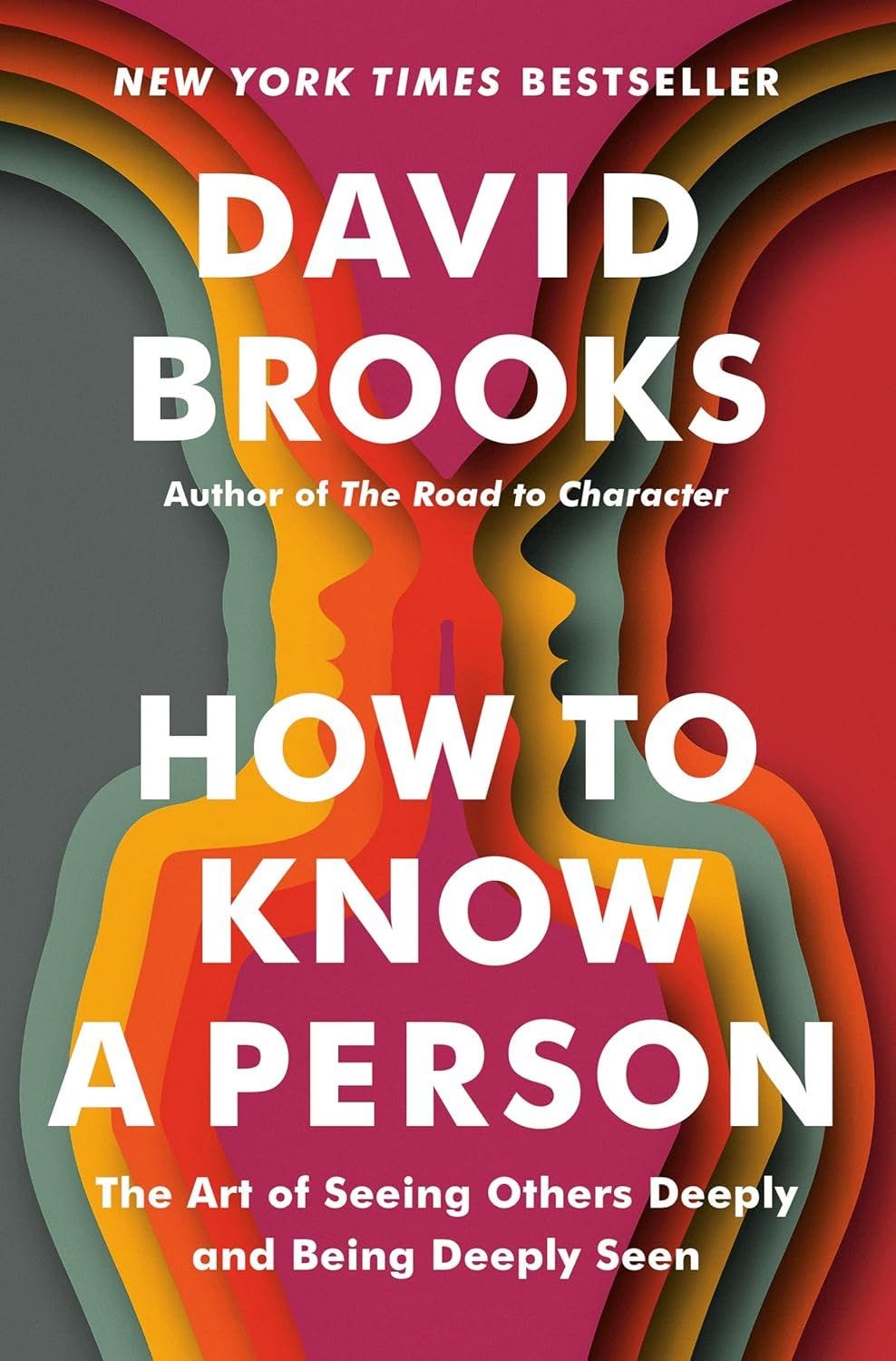
How to Know a Person: The Art of Seeing Others and Being Deeply Seen by David Brooks
Last year I declared this book as a book everyone should read. I found it challenging and it caused me to examine how I could connect better with other people. I am an introvert, and I spent most of my life even into adulthood feeling awkward and insecure about connecting with other people. While I had already learned how to do that better before I read this book, it gave me a lot more ideas and tools to put into practice.
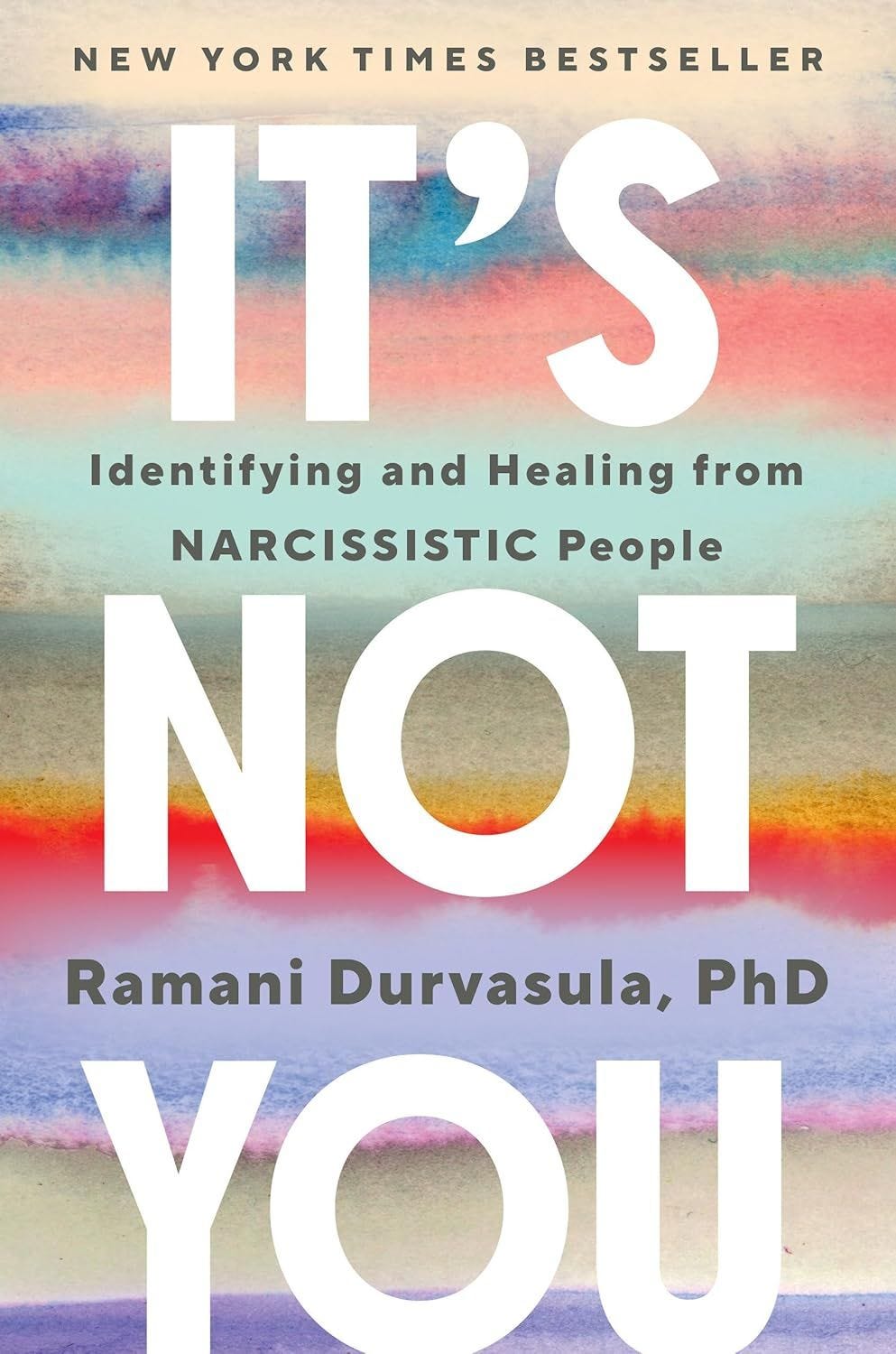
It’s Not You: Identifying and Healing from Narcissistic People by Ramani Durvasula
I’ve had relationships with more than one person who I think would have qualified as a narcissist, and while I am thankfully not in any of those situations now, I found this book to be so helpful in thinking about those experiences. I’ve also been recommending it to friends who are in relationships with difficult people. I appreciate that the author does not demonize narcissists and she also warns against using that term indiscriminately. Once you have met an actual narcissist, you develop a radar for true narcissistic behavior.
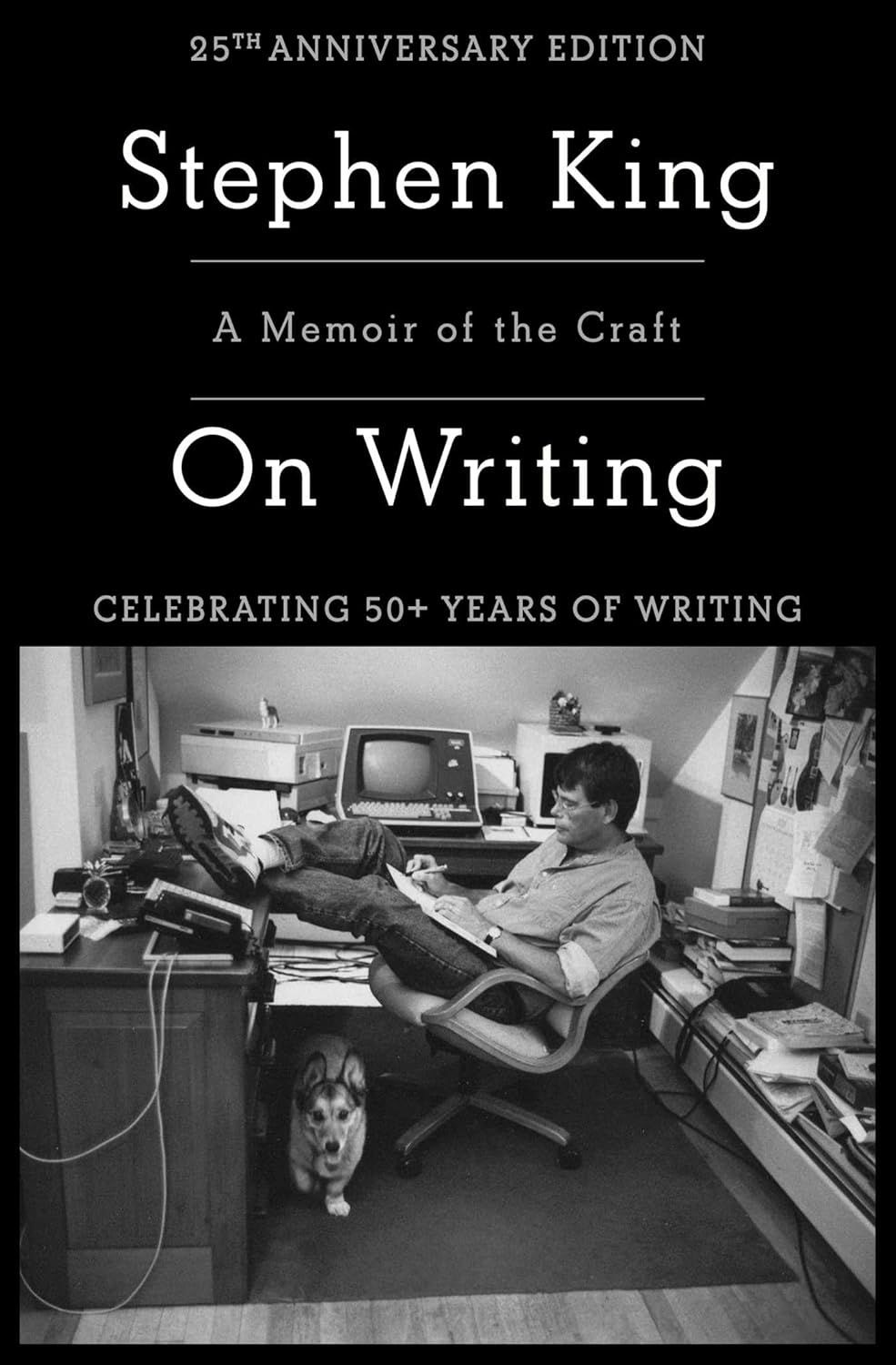
On Writing: A Memoir of the Craft by Stephen King
This was a re-read for me, but after starting this Substack and even considering venturing into fiction writing, I found this book to be so helpful. It has also made me enjoy the King books I’ve read recently even more. You can see how he put what he has learned into practice.
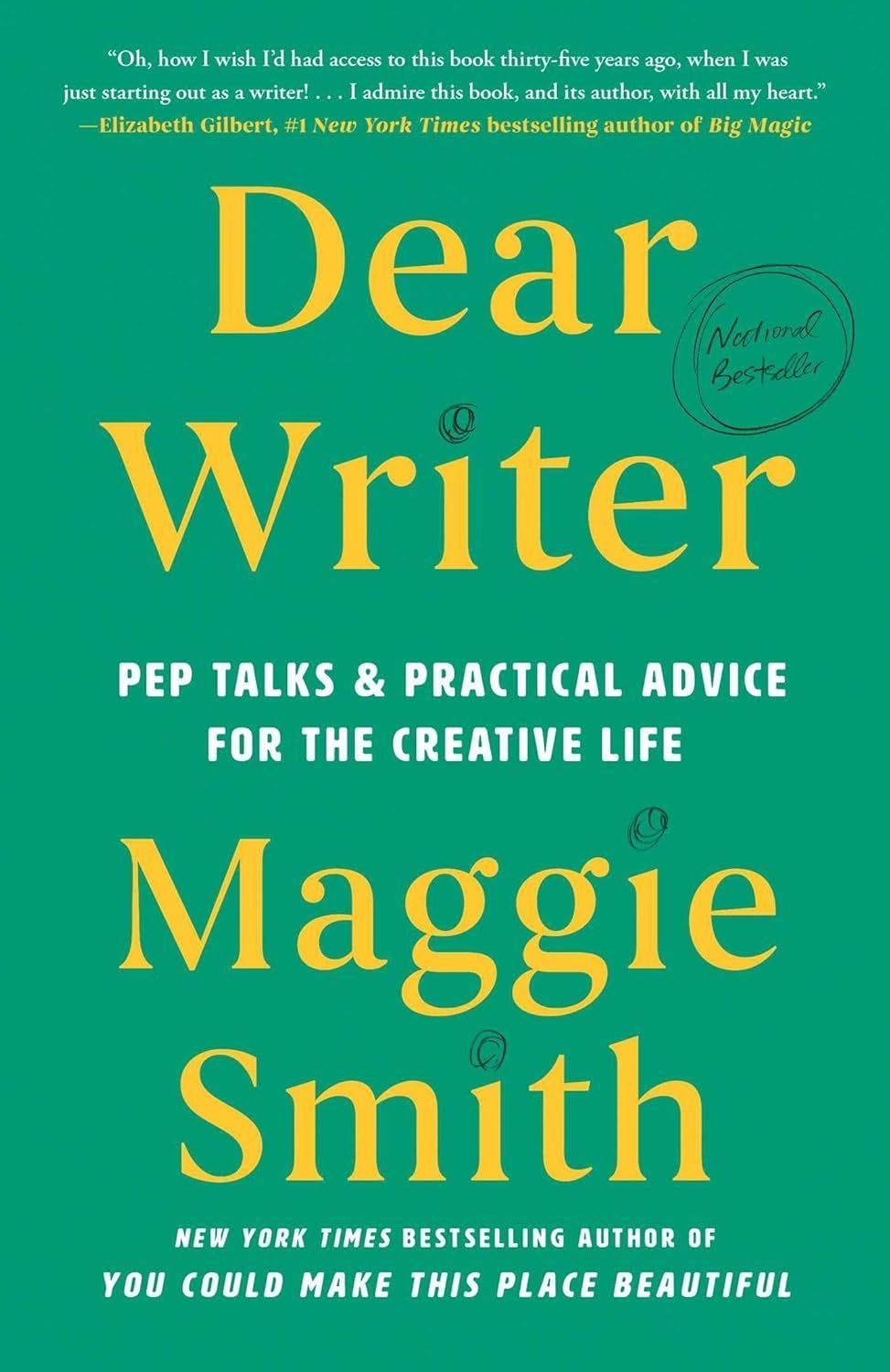
Dear Writer: Pep Talks & Practical Advice for the Creative Life by Maggie Smith
I was newly introduced to Maggie Smith this year and after listening to the audiobook, I asked for the print book for my birthday so I could slowly work through the writing exercises in each chapter. I haven’t made it through the whole book a second time, but I’m glad to have this on my shelf for the future.
Memoirs
This is one of my favorite genres, and what makes me enjoy it even more is when I cam able to listen to it in audiobook form with the author narrating it. Interestingly, all the books that made the list this year were by women, and all of them read the audiobooks. We’ve got rabbits, tsunamis, cults, and Facebook covered.
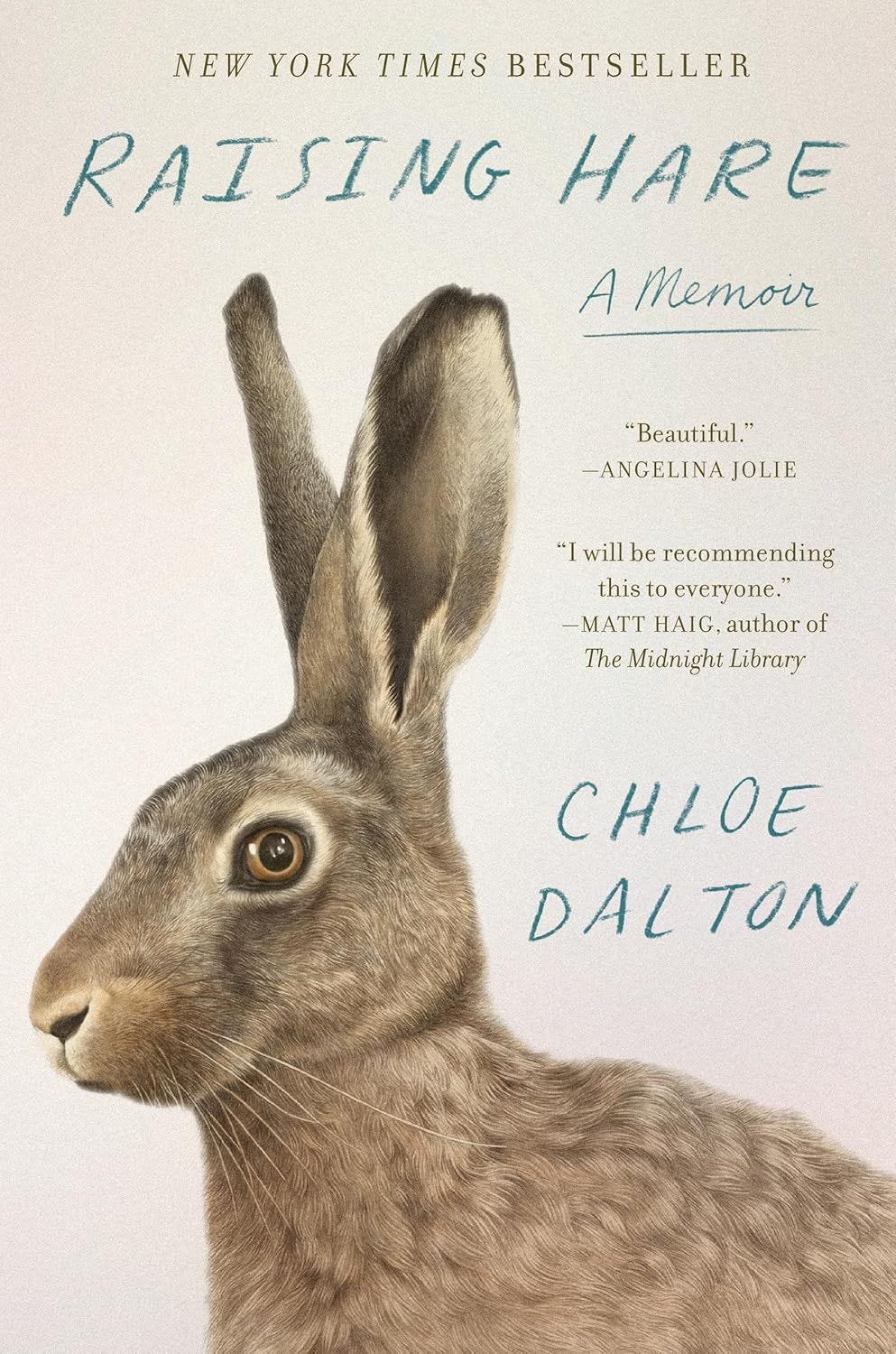
Raising Hare: A Memoir by Chloe Dalton
Who would have thought that a book about raising a small animal would be so wonderful? This is a short book focused in on a very narrow season in the life of the author during the pandemic. Her relationship with the hare is beautiful.
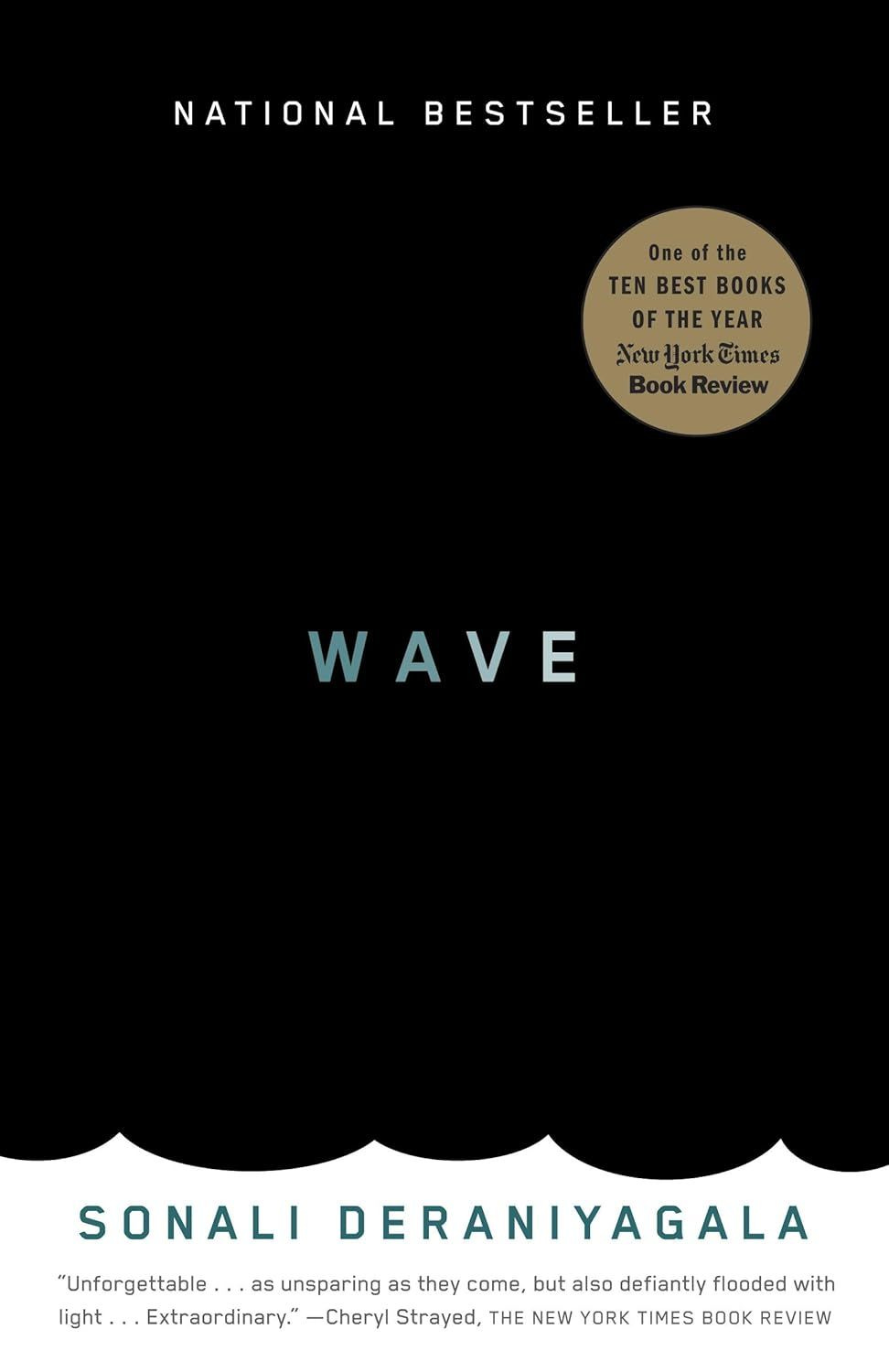
Wave: A Memoir by Sonali Deraniyagala
I had vague memories of the tsunami in 2004, but I was still in high school and not super clued in to world events. The author lost five family members in the tsunami and barely survived herself. The part of the book about the actual tsunami is relatively small; most of the book is about how she dealt with the aftermath. As a wife and mother, I felt like my nerves were on edge the entire time because I could only imagine how I would have felt in her shoes.
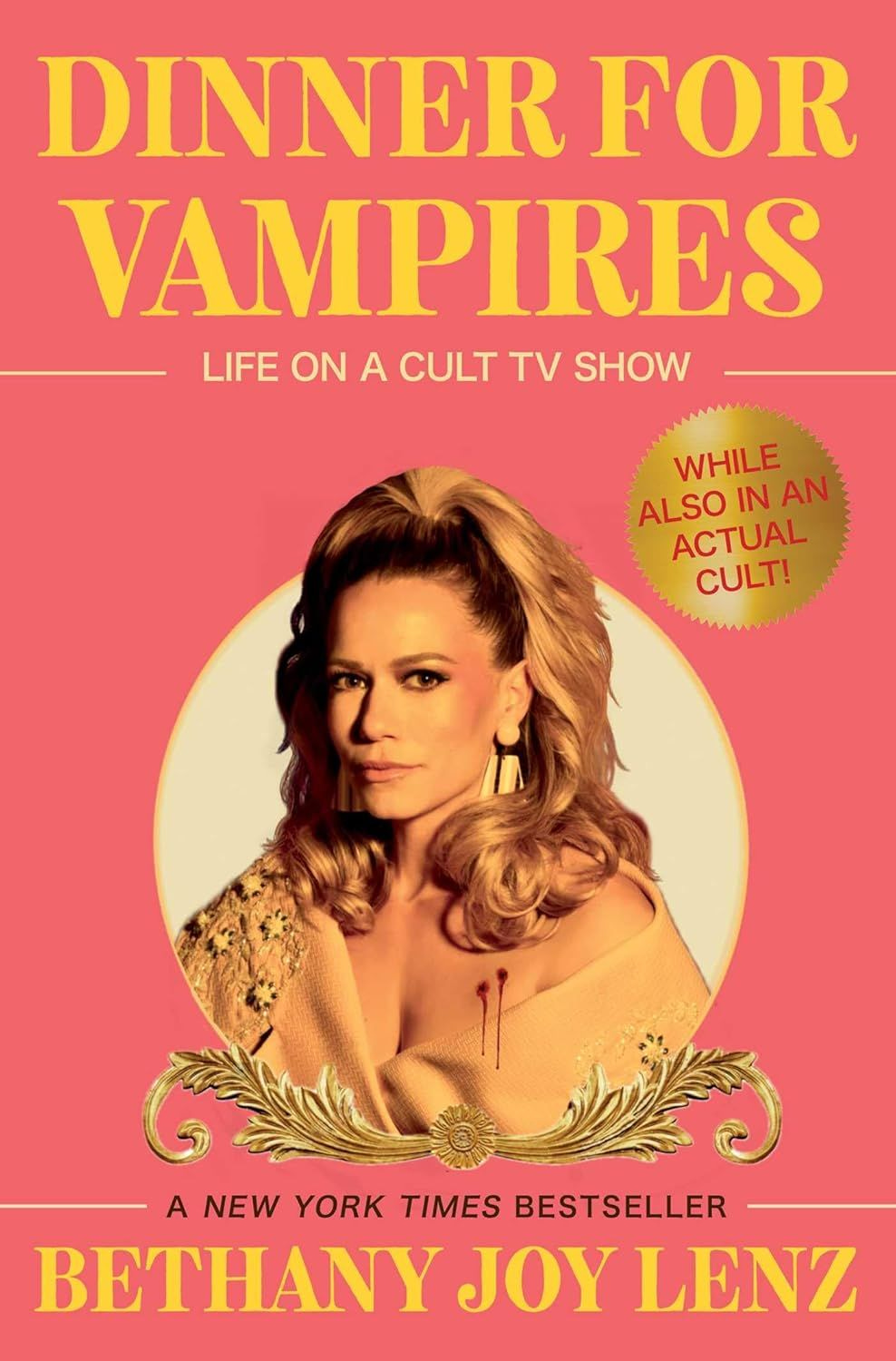
Dinner for Vampires: Life on a Cult TV Show by Bethany Joy Lenz
I never watched One Tree Hill, and if I had, maybe I would have liked it even more, but it was compelling enough without that background. “Memoirs of people who have left cults” is one of my top categories of memoirs. I’ve thought about why this is, and I think it’s because I find it fascinating to see what had to happen for them to realize they couldn’t stay anymore, as well as to see how they kept going after a traumatic transition to real life.
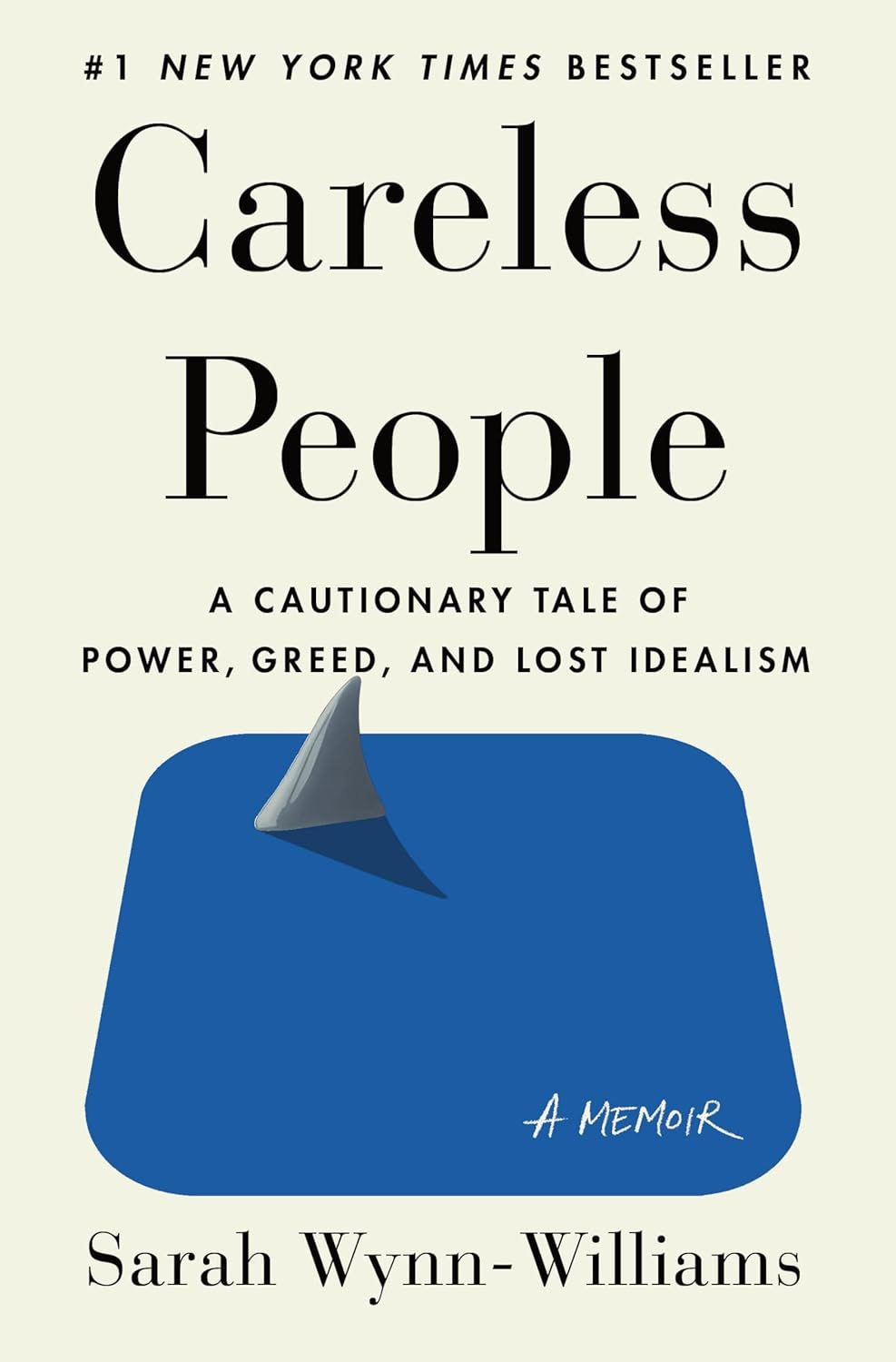
Careless People: A Cautionary Tale of Power, Greed, and Lost Idealism by Sarah Wynn-Williams
I finally deactivated my Facebook account a few weeks ago. I didn’t do it only because of this book, but it was a part of it. Knowing Mark Zuckerberg, who does not come off well in this book, is no longer monetizing my phone time is a great feeling.1
Science
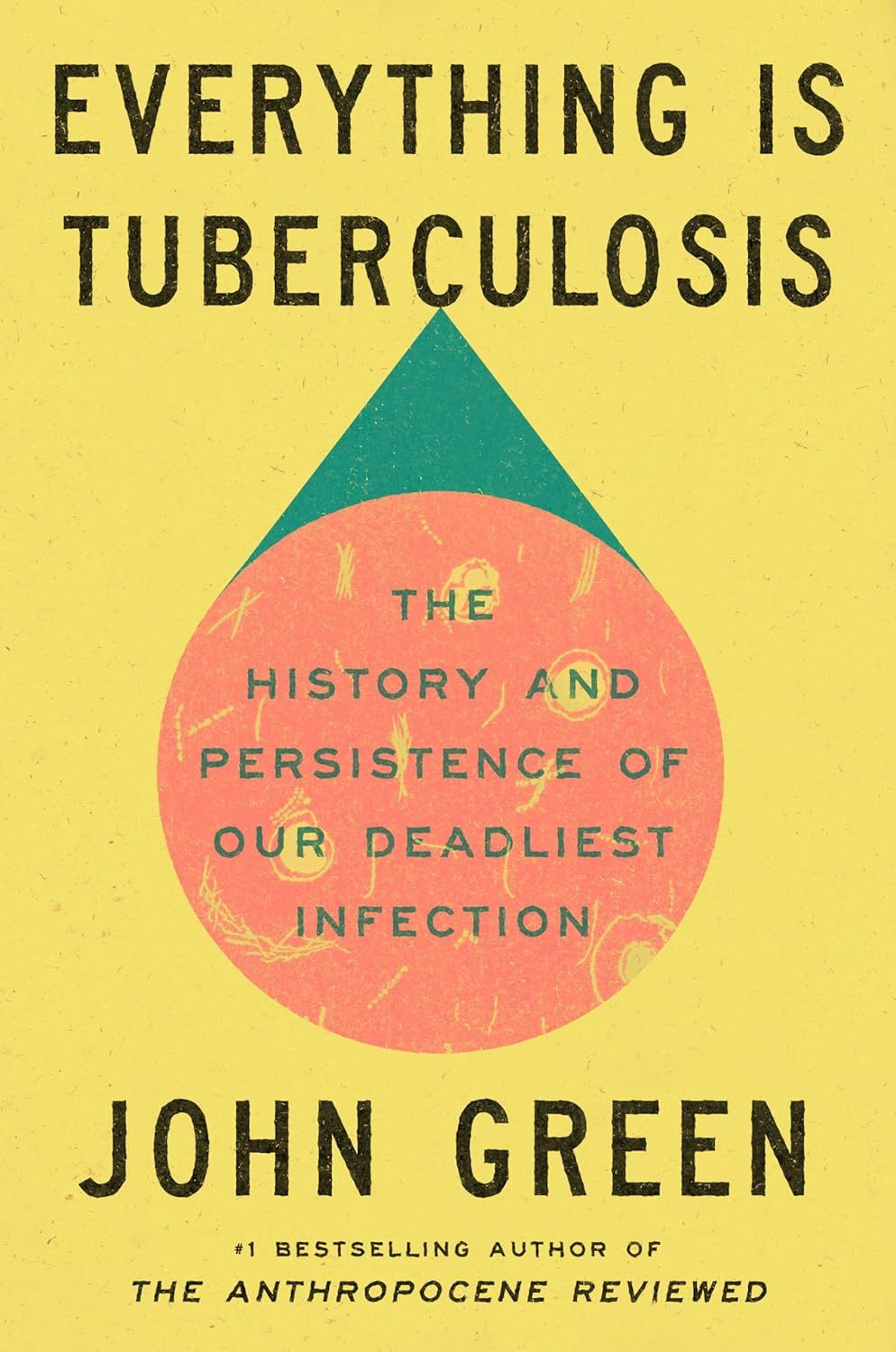
Everything is Tuberculosis: The History and Persistence of Our Deadliest Infection by John Green
This was my first nonfiction book by John Green and I loved everything about it. Who knew that pretty much everything we’ve ever heard about is only a few degrees of separation from tuberculosis?
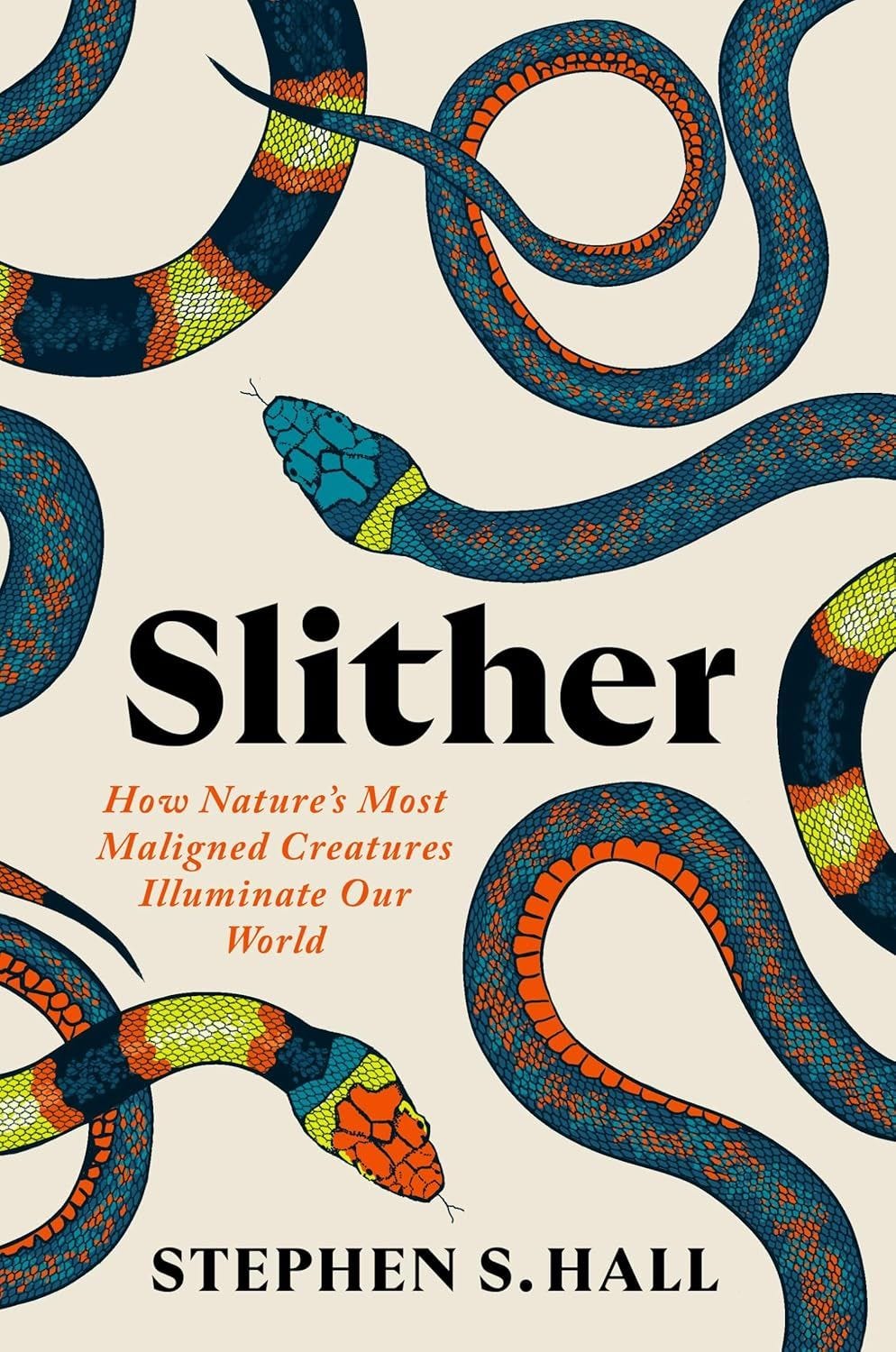
Slither: How Nature’s Most Maligned Creatures Illuminate Our World by Stephen S. Hall
My family was shocked that I listened to this book, and while it did not cure my extreme snake phobia, it did give me a lot of appreciation for snakes.
Miscellaneous
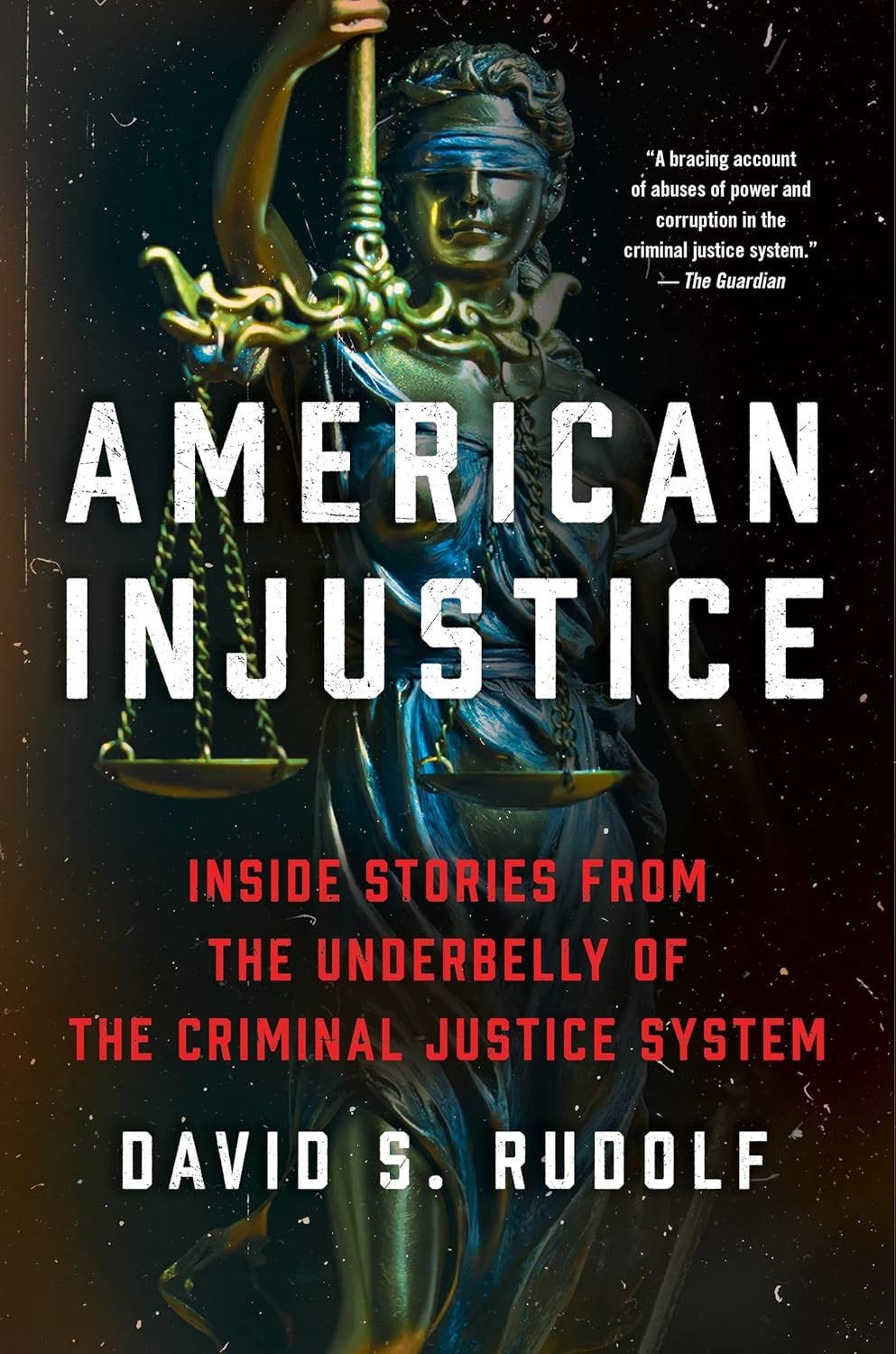
American Injustice: Inside Stories from the Underbelly of the Criminal Justice System by David S. Rudolf
I enjoy reading depressing books, as you have probably figured out. I think it’s really important for us as humans to understand how the criminal justice system does—and doesn’t—work. It’s not all episodes of Law and Order. This isn’t the first book I’ve read on this topic, but it was the best one I read last year.
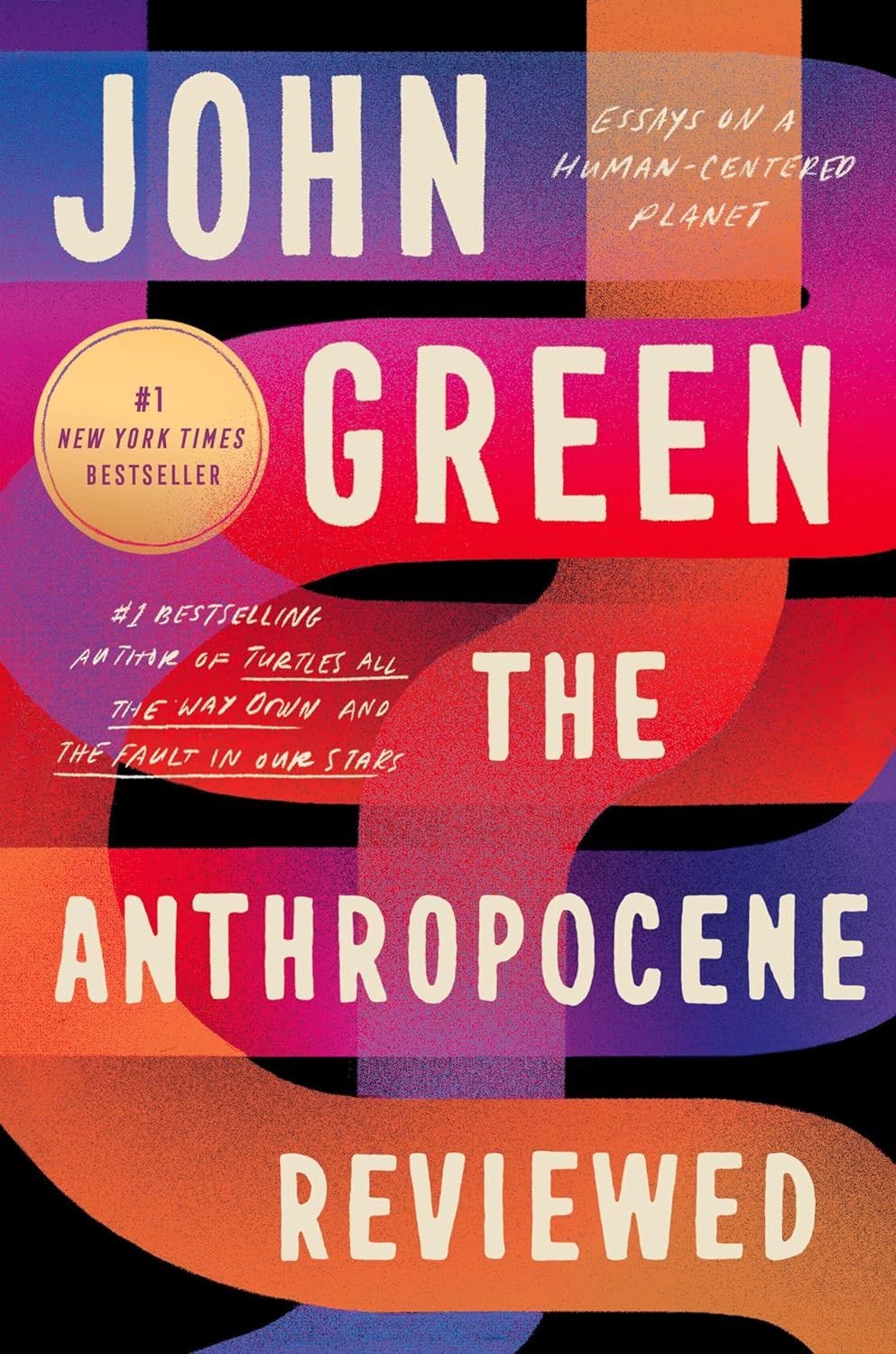
The Anthropocene Reviewed: Essays on a Human-Centered Planet by John Green
This was definitely one of the funniest books I read last year. It’s composed of a variety of essays on random and unrelated topics, including Canadian geese and Diet Coke. I laughed out loud multiple times and hope he writes a sequel.
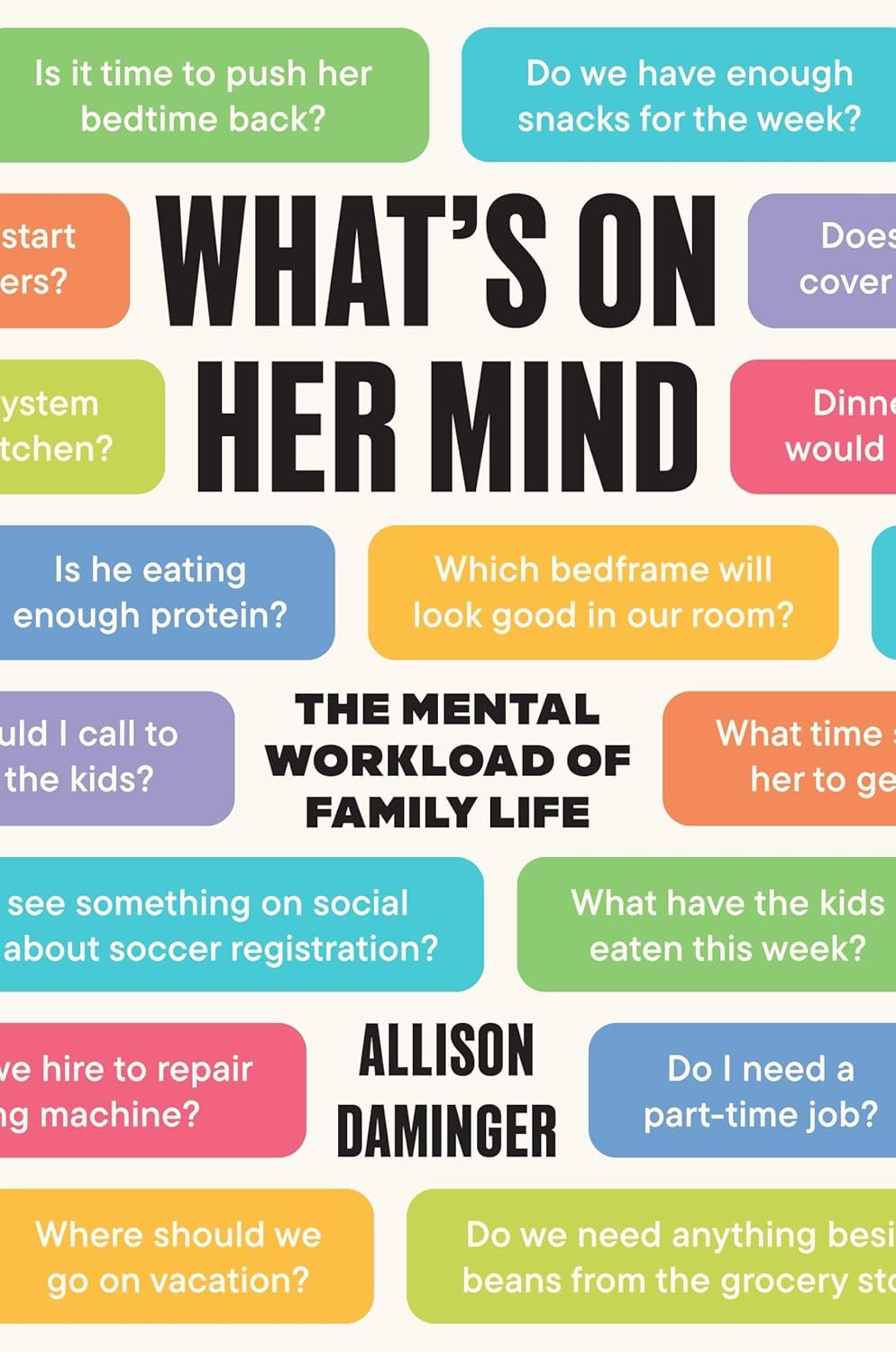
What’s on Her Mind: The Mental Workload of Family Life by Allison Daminger
This was the most academic book I read last year. It was very affirming for me as the one in our home who managed most of the mental load of running our home. It doesn’t bash either gender, and it is honest about the challenges of sharing the mental load. It also gives really helpful and practical tips for partners to try if they’re not happy with the current mental load split.
I’d love to know your nonfiction recommendation from last year or even from more recently! If you’re not usually a nonfiction reader, did any of these jump out?
This article about how Mark Zuckerberg’s neighbors feel about him was entertaining to read and did not improve my opinion of him.
Thank you for some new book recomendations (Jess Walters’ book on Ruby Ridge is one of my favorite non-fiction books). I don’t know if you have read this book, “The Fact of a Body: A Murder and a Memoir” by Alexandria Marzano-Lesnevich. If not, you should. It defies both true-crime and memoir genres into something completely different. It will be on your list of Best Non-Fiction Read in 2026. Or maybe it was on your list some previous year.
I read this post a few days ago, and I just came back to it today to add almost all of these to my “want to read” list on Goodreads. Now to go search Hoopla for them! I love a good book or audiobook, and I really hate starting a book that I don’t want to finish. So Chelsey, your recommendations have been great! I think it was you that talked about “Bad Blood” a few years ago, and I find that vein of books still very interesting (pun not originally intended). Thanks for sharing all your lists!