

For the first time ever on my Substack, I’m sharing a post by a guest author. My husband wrote the following piece to share at our recent church elders and staff Christmas party. He was worried it was cheesy, but I thought it was beautiful. I went through his gardening Instagram account, The Rambling Rectory, and pulled photos that he’s taken over the years of his beloved satsuma tree. I hope this encourages you like it encourages me.
For those who don’t know, my husband has been a pastor for almost 10 years. Even before that, though, he worked on staff at churches ever since we were married. We’ve been in Georgia at our current church for almost six years, and he has been the lead pastor of our church for almost three years. He is also an incredible, self-taught gardener.
In 2021, less than a year after my family moved to Georgia, I planted a satsuma mandarin tree in my garden. I had never grown oranges before, but it seemed appropriate to put down literal roots with something that was Georgia-grown.
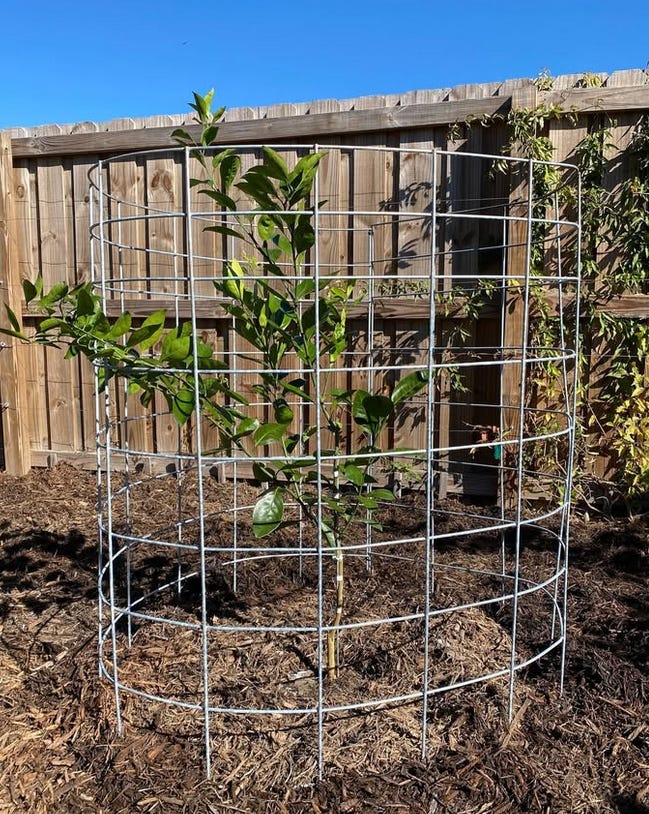
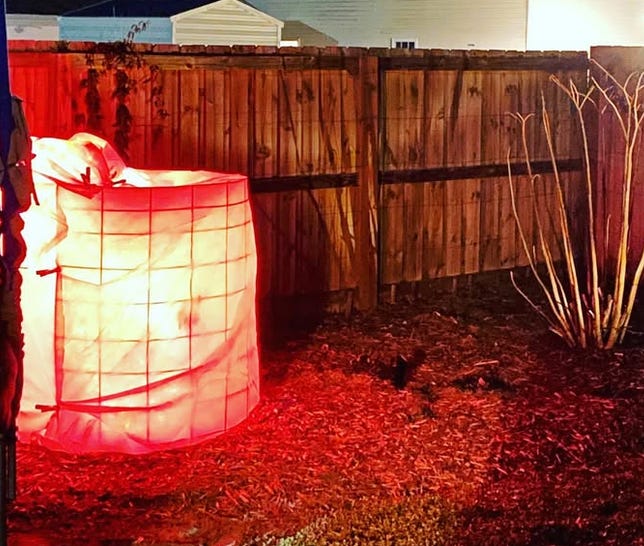
And then… nothing happened. I didn’t get a single fruit in 2022. Or in 2023. For three years I watered it, fertilized it, and put everything into making sure it thrived. I even built a redneck enclosure around the tree so I could cover and protect it from the worst of the winter cold. But still, nothing happened. At least, not apparently.
What I couldn’t see until I dug around it was that the tree was putting down massive, thick roots that anchored it in the ground. A hurricane couldn’t knock it over. And it put out a different kind of root that allowed it to take up water and nutrients from the soil. The tree was growing rapidly; I just couldn’t see it.
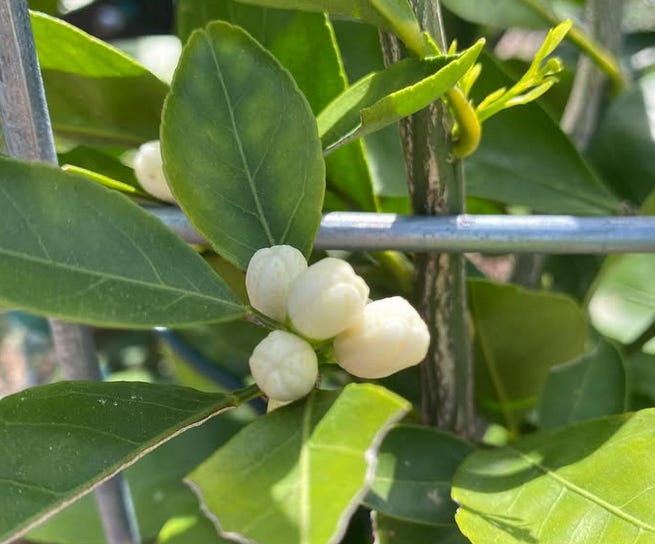
But in 2024, I saw the first little orange forming early in the spring. And another. And many others. For the first time, the tree was covered in fruit.
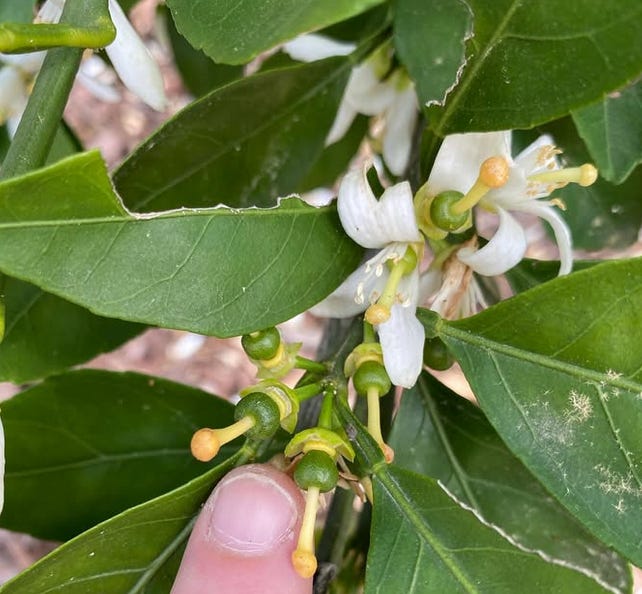
Then disaster struck. I came out one day and saw dozens of mini-oranges lying on the ground. What I eventually found out was that citrus trees know exactly how much fruit they can bear in a season. The tree dropped all the fruit that it couldn’t carry to full term.
The tree hadn’t been attacked. And it wasn’t defective. God made it to do just what it did: drop the fruit it couldn’t carry. And that gave me peace.
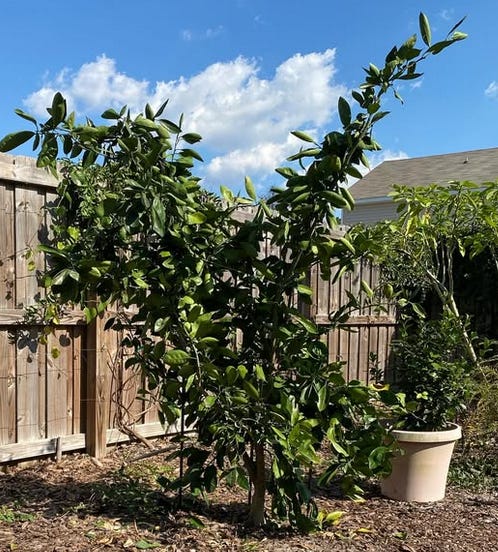
All year long in 2024, I watched and waited. Then, at the end of the year, right as our church entered a very painful time for all of us, the harvest came. I went from having never had any fruit to having 45 pounds of oranges.
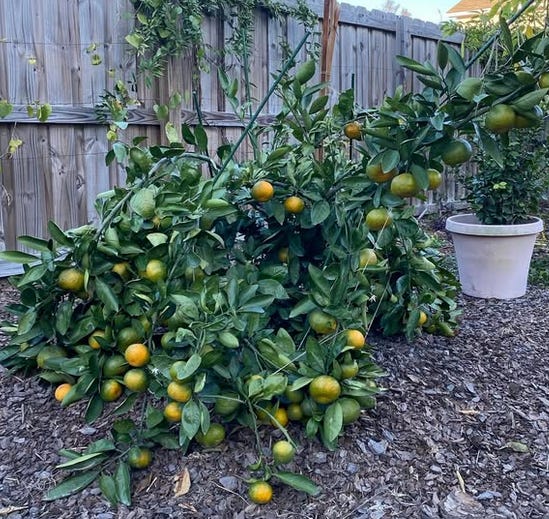
We ate as many as we could. We posted in the neighborhood Facebook group and shared with every neighbor who wanted any. We literally couldn’t give away all the fruit. It was overwhelming in the best possible way.
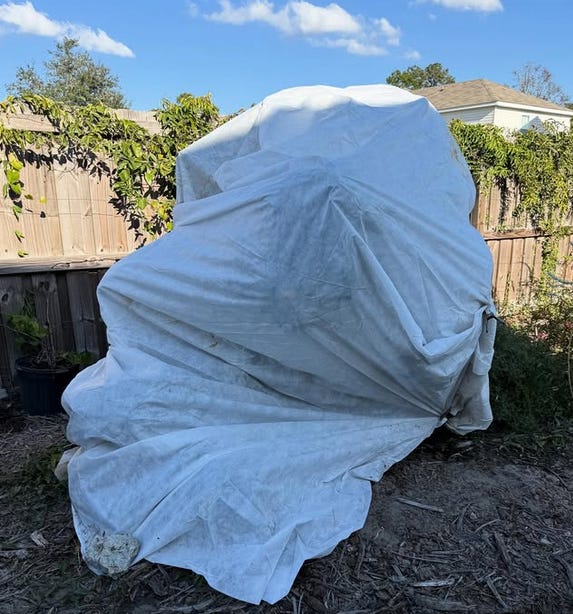
So I came into 2025 expecting everything to be as good--if not better! I did exactly the same things as every year before--watered, fertilized, tucked it in during the winter.
When this spring came, the exact same week as one dear family left our church and at the same time as other members were leaving for various reasons, I went outside and discovered that my tree had a dead branch. Nothing had attacked it. It wasn’t diseased.
There was nothing wrong with the tree itself. The branch just died--which is how gardening goes. The only thing I could do was cut it off at the base and keep doing what I was doing.
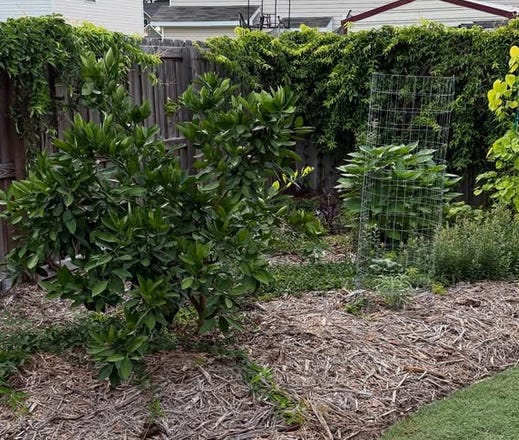
But the branch was a scaffolding branch, a branch that other, fruit-bearing branches grew out of. I didn’t have any other choice, but removing it took away about one-third of the tree’s total size. I was heartbroken.
All this year I watched and waited. The orange blossoms turned into fruit--but only on the side of the tree that had been around for a while.
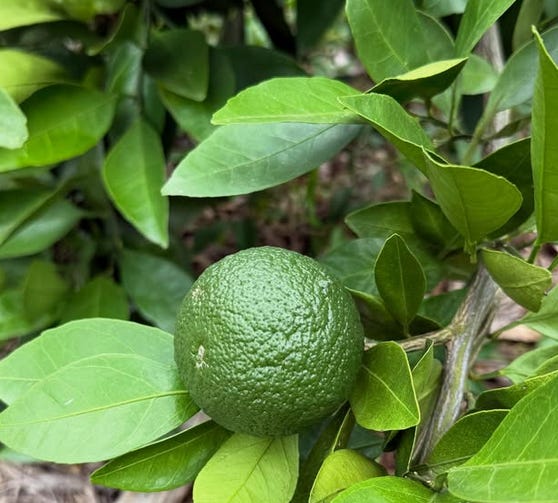
Last week, I harvested all the oranges on the tree. It wasn’t 45 pounds. It was just under 14 pounds. But I want to point out a few things about the fruit that I harvested.
First, because the same amount of nutrients were available to a smaller number of fruit, each individual orange is larger than last year’s oranges. There were fewer fruits, but bigger fruits.
Second, the tree just happened to grow fruit on branches that shaded the fruit in a particular way that makes some of the fruit just a little discolored. Even though I washed and scrubbed each one of the fruits, a lot of it still looks a little dirty. The one that I peeled and ate yesterday was perfectly clean inside. But it just doesn’t look as impressive as the fruit at the store.
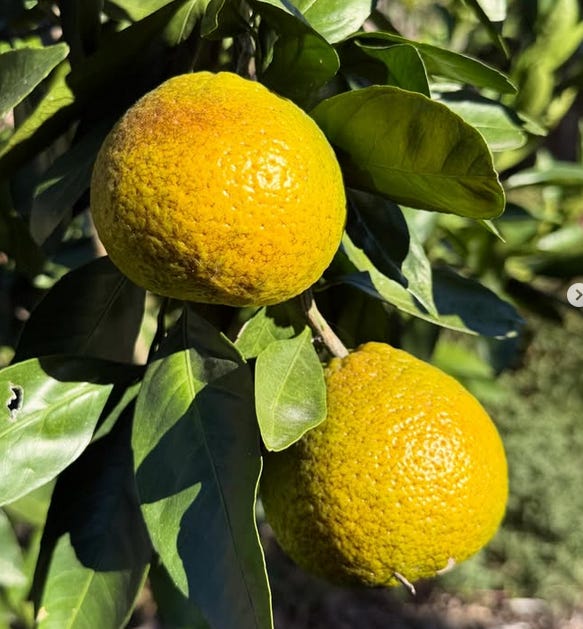
But, thirdly, the first fruit that I peeled and ate was the best orange I have ever eaten. It was misshapen and dirty-looking, but I peeled it with my bare fingers. It had no seeds, and it was sweeter and juicier than any other orange I have ever had. What was on the inside was unimaginably better than what you would expect from the outside.
Another interesting thing happened to the orange tree. All this year, the side of the tree that lost its scaffolding branch has been putting on rapid growth. The branch that’s there now, which didn’t even exist last year, is even bigger than the branch it replaced. I didn’t do anything special to make that happen. The tree knew just what it needed to do to recover and to thrive.
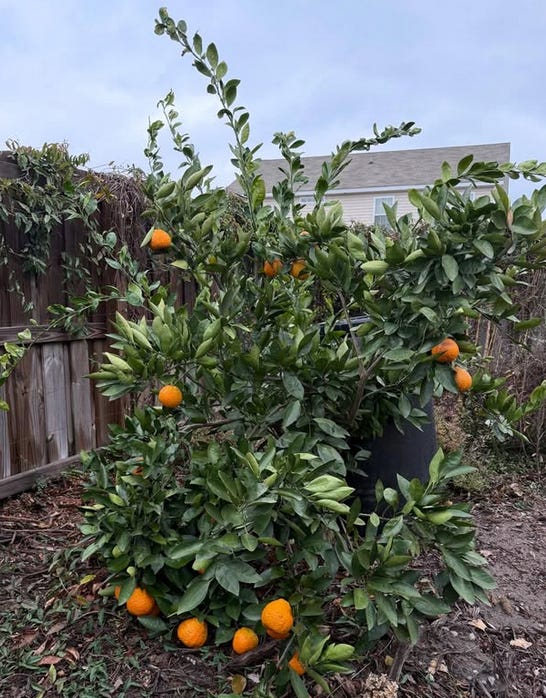
And now I’m going into next year with so much confidence and excitement. I have no idea what the tree will be like next year. I can never guess for sure what the weather and bugs and diseases will be like. So all I can do is the same thing that orange trees need every year. I just need to take care of it, nourish it, protect it, and wait.
I have no idea how much fruit the tree will (or won’t) produce next year. But from what I can see, all the conditions are right for a very good year. From what I can control, I’m in a good position to keep providing it the care it needs to bear lots of good fruit. But growing orange trees—and serving churches—requires us to do what little we can, and then to wait.
We can wait because of John 12.
“Truly, truly, I say to you, unless a grain of wheat falls into the earth and dies, it remains alone; but if it dies, it bears much fruit.”
Because Jesus died and went into the tomb, the fruit—including us, and the people we serve and love—comes into existence.
We can wait because of 1 Corinthians 3.
“So neither he who plants nor he who waters is anything, but only God who gives the growth. He who plants and he who waters are one, and each will receive his wages according to his labor.”
God will grow everything in its own time. And he will pay us for the work we put into his garden.
And we can wait because of James 5.
“Be patient, therefore, brothers, until the coming of the Lord. See how the farmer waits for the precious fruit of the earth, being patient about it, until it receives the early and the late rains. You also, be patient. Establish your hearts, for the coming of the Lord is at hand.”
Brothers and sisters, the coming of the Lord is at hand. So let’s be patient while we work hard and wait.
I would have loved cheesy, but I agree with you, Chelsey. 😭❤️