

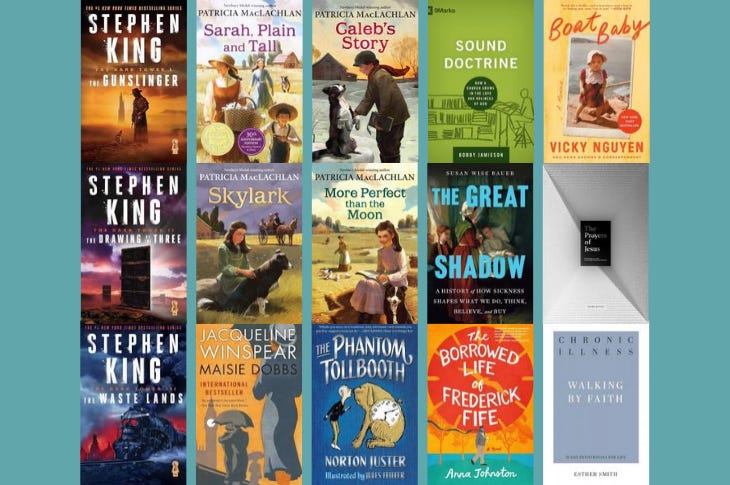
Guys, how is it already October? I can’t believe the year is 2/3rds of the way over. It also does not feel like October. But October is here, and that means it’s time for spooky books. I’m working on a post of my favorite spooky books so that you can join me in this endeavor! But for now, here is a breakdown of the 15 books I read in September. My average books per month is now rising after a very sad decline over the summer, and I’m hoping to stay at around 15 books for each of the last three months of the year. I’ve read 126 books so far this year, so my reach goal is to make it to 175 books; my realistic goal is to make it to 165 books for the year. It’s not as high as most of the previous years, but since most people don’t even read one book a year, I’m not losing sleep over this.
Here are some interesting stats from the books I Read this month:
Categories: 3 spiritual, 2 nonfiction, and 10 fiction books
Ratings: 3 5-star books, 11 4-star books, and 1 3-star book
Format: 6 print books and 9 audiobooks (no ebooks!)
Nine of the books I read were more than 20 years old; six were from before the year 2000
I read almost 4,000 pages at an average page-length of 262 pages
Without further ado, here are the 15 books, in no particular order other than category, kind of.
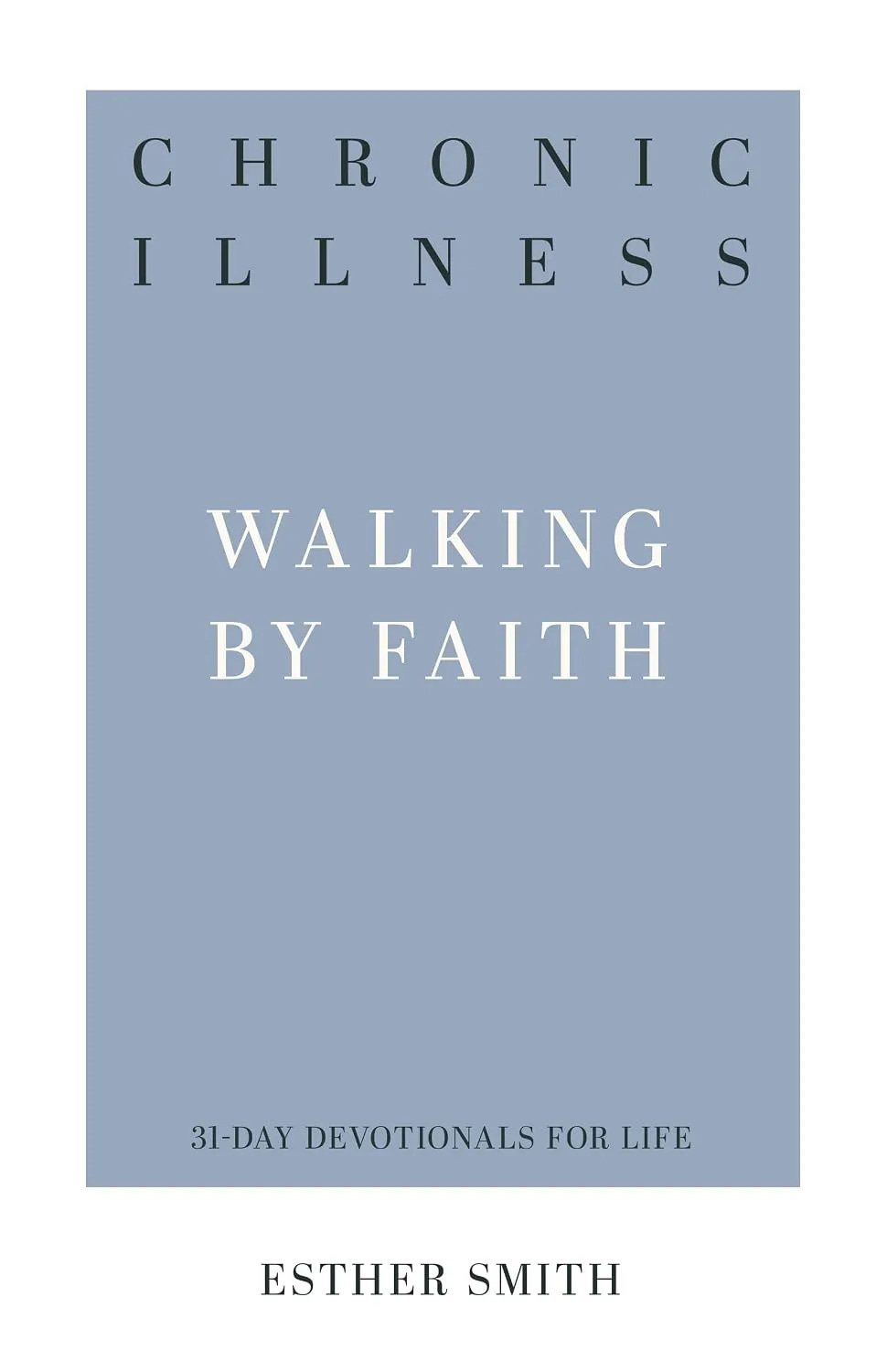
Chronic Illness: Walking By Faith by Esther Smith
This was a re-read, because I felt like I needed to be reminded of the truths of this book almost a year after the first time I read it. I wish I weren’t still living with chronic pain, but I am, and reading about the author’s experience was just as encouraging the second time around. If you or someone you love is dealing with chronic illness, I can’t recommend this book highly enough.
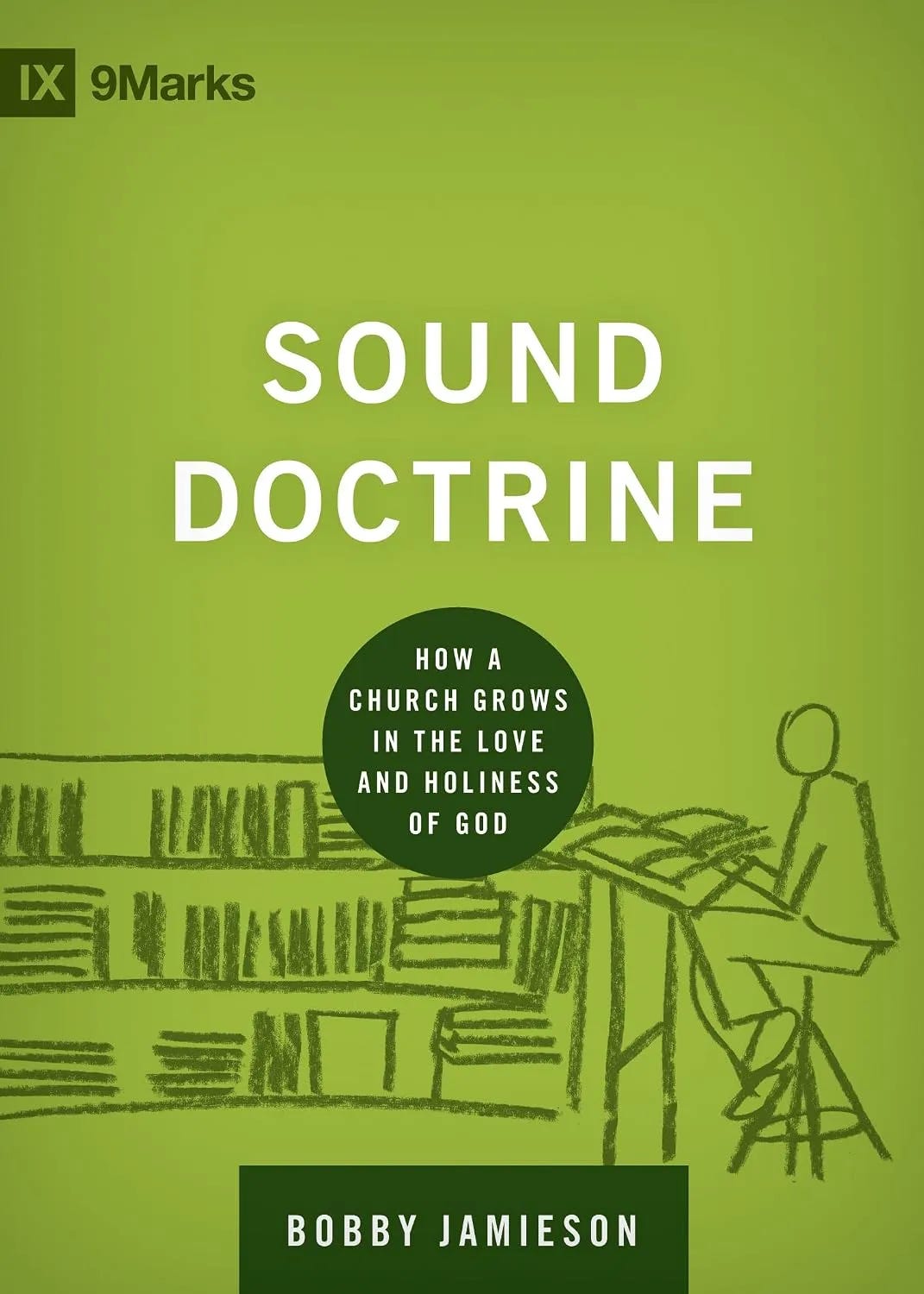
Sound Doctrine: How a Church Grows in the Love and Holiness of God by Bobby Jamieson
Our church worked through this book over the summer as part of a book study. If you are new to Christianity or new to being involved in a local church, this would be a great book to pick up.
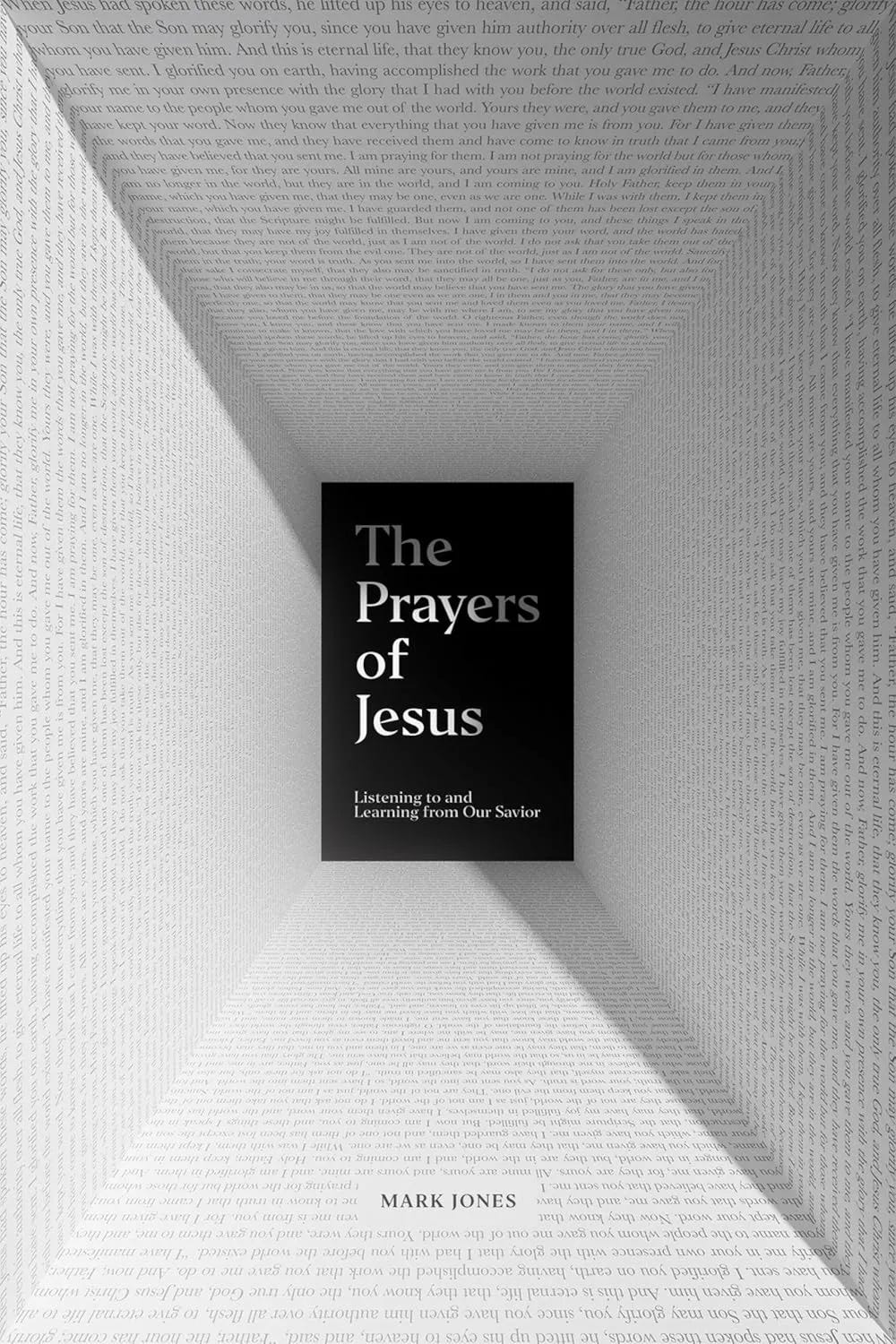
The Prayers of Jesus: Listening to and Learning from Our Savior by Mark Jones
The content of this book is tremendous. The author works through dozens of times that Jesus prayed in the New Testament and walks the reader through them. However, I don’t know why, but this book felt like a slog. I was interested in the topic and certainly wanted to know more about prayer and how to pray like Jesus. But the writing or the pacing or something was just really tough to make it through.
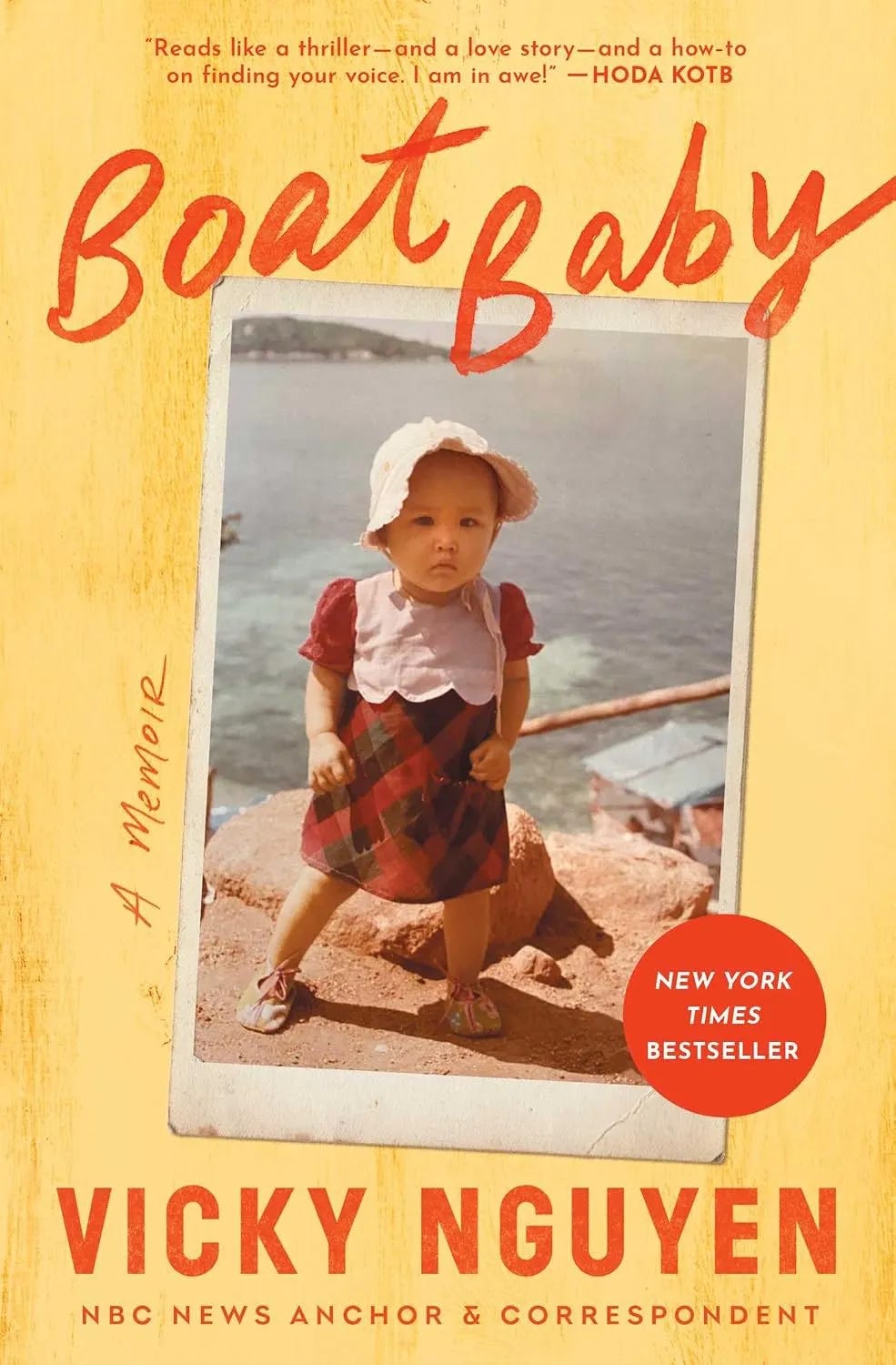
You guys know I love a good memoir, but this one was just fine. I never want to pass judgment on someone’s experiences, and the fact that the author came to America on a boat out a difficult situation does give it a unique take. Her thoughts on growing up as an outsider in her community would probably be relatable to many people. She worked very hard to succeed in her field and also tried to care for her parents even as she had her own family. So I am not saying any of that is bad; I’m just saying the book was just fine. Not great.
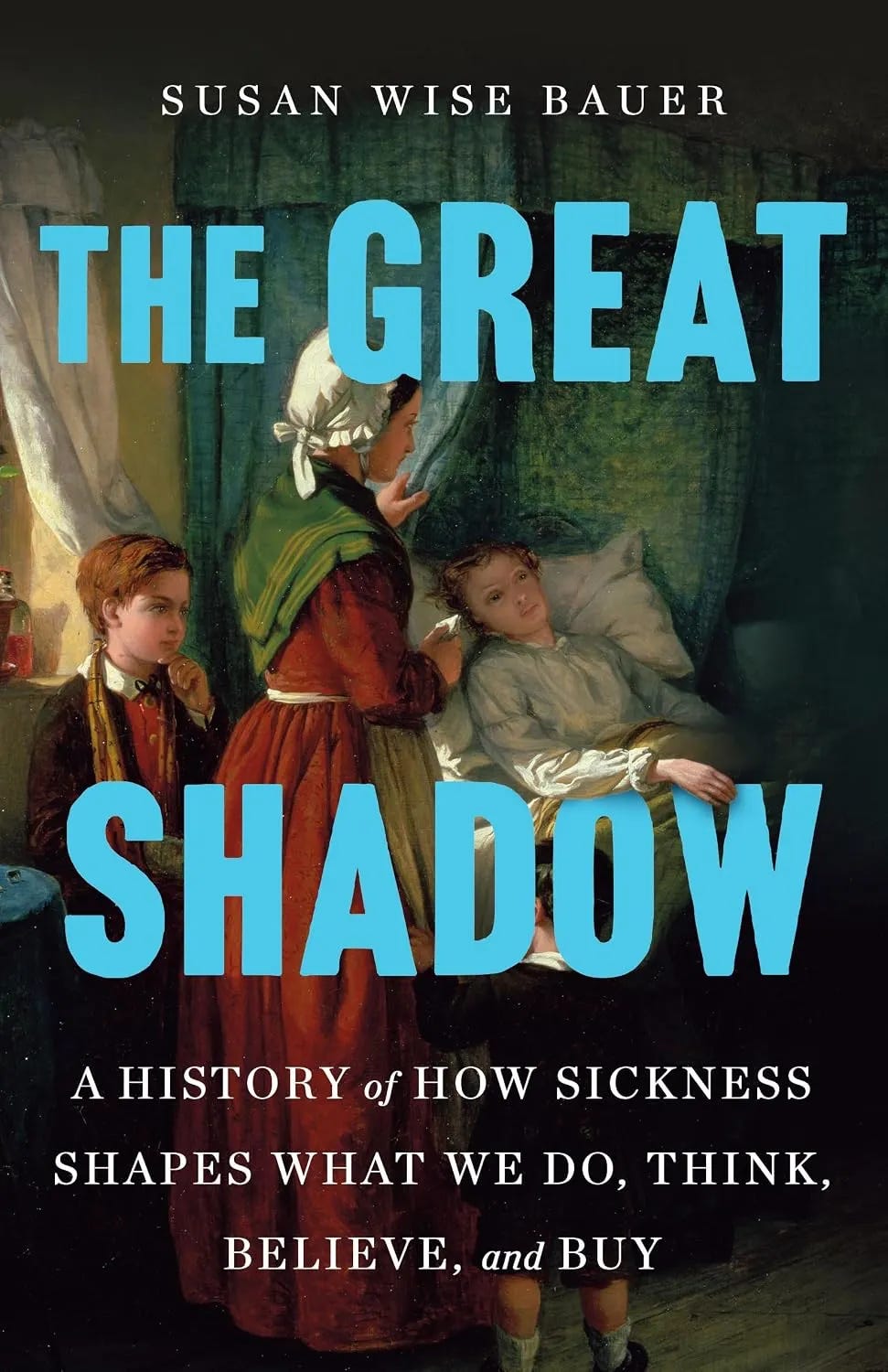
The Great Shadow: A History of How Sickness Shapes What We Do, Think, Believe, and Buy by Susan Wise Bauer
This book wasn’t as good as I hoped it would be. I personally love books about disease and sicknes, and as the author is one of the founders of modern classical education, I thought her analysis would be solid. But I was disappointed at the way she interpreted and characterized parts of history, particularly areas where religion was involved. I finished it because it wasn’t poorly written, but it won’t stick out in my mind.
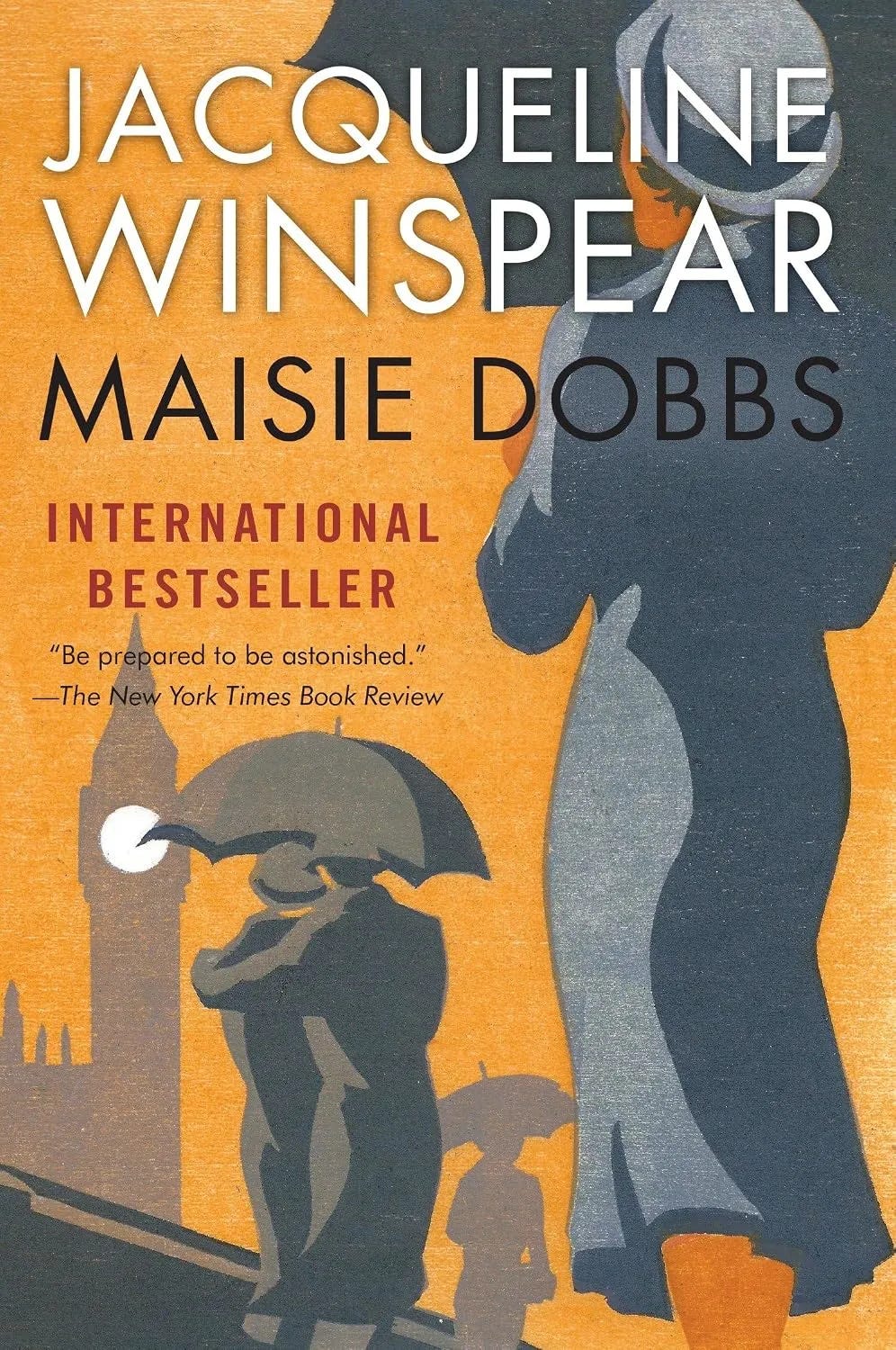
Maisie Dobbs by Jacqueline Winspear
I started this thinking it was an old classic detective novel, only to find out it was published in 2003! No matter; it was still an excellent book, and I am considering reading more of the books in the series (I believe there are 18). Maisie Dobbs is a young woman who is part private-eye, part psychotherapist, part sociologist, and she is called upon at the beginning of the book to find out where a rich man’s wife is going on the train. It is a very emotionally intelligent and self-aware book, and it managed to avoid all the worst cliches of this genre.
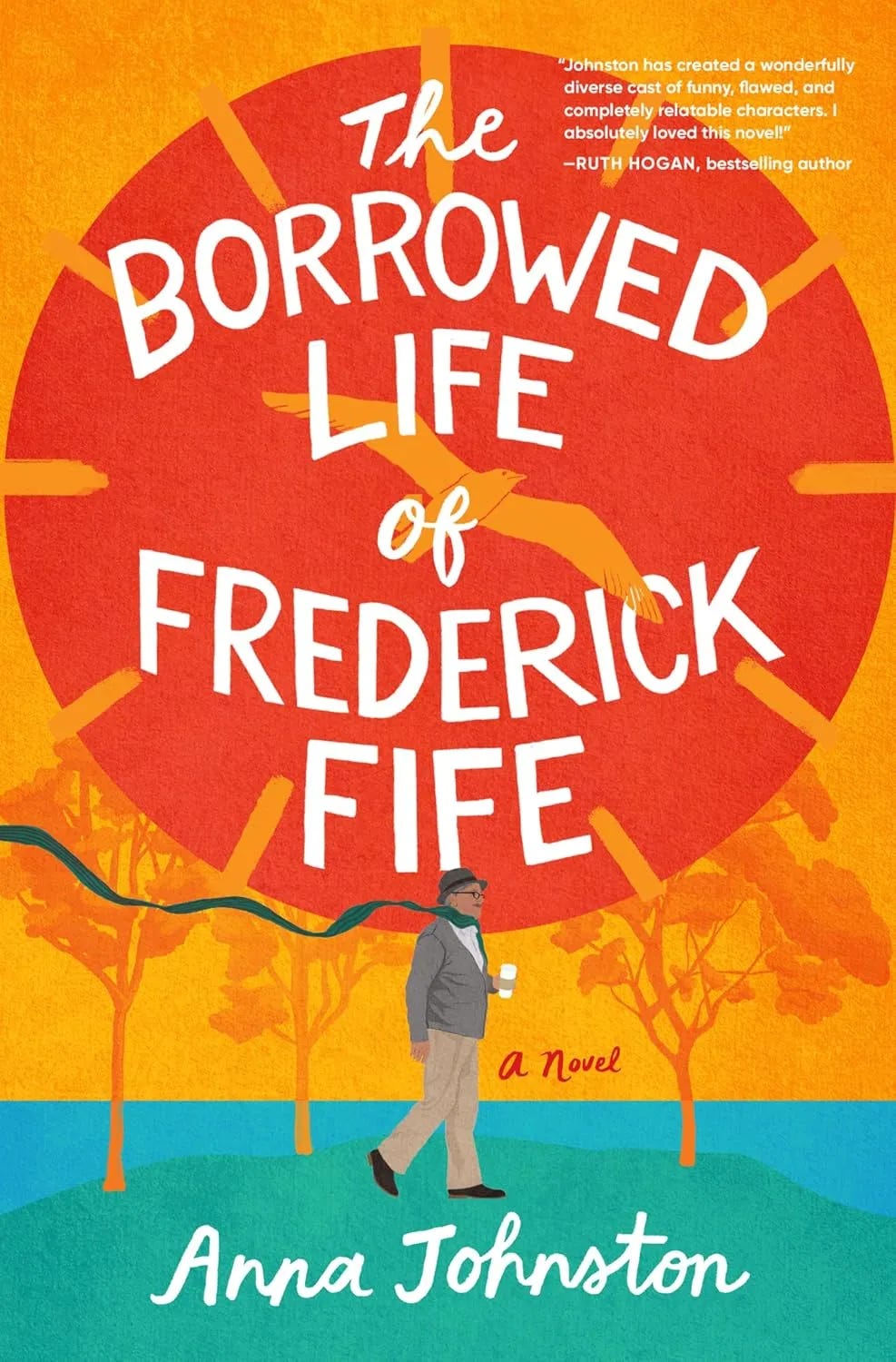
The Borrowed Life of Frederick Fife by Anna Johnston
My mom recommended this book to me, and I don’t think she’s ever recommended something I haven’t liked. Our taste in books has a wide overlap, and she also knows me about as well as anyone. This book is almost the inverse of A Man Called Ove and also reminded me of the television series The Man on the Inside with Ted Danson. It is a delightfully funny book and the narrator is Australian, which made the experience of the book even better. The premise is that a man named Frederick, who has fallen on hard times and is depressed after the death of his wife, accidentally gets mistaken for a nursing home resident who dies suddenly (without the nursing home staff realizing it). He then takes on that man’s identity and all the complications you can imagine ensue.
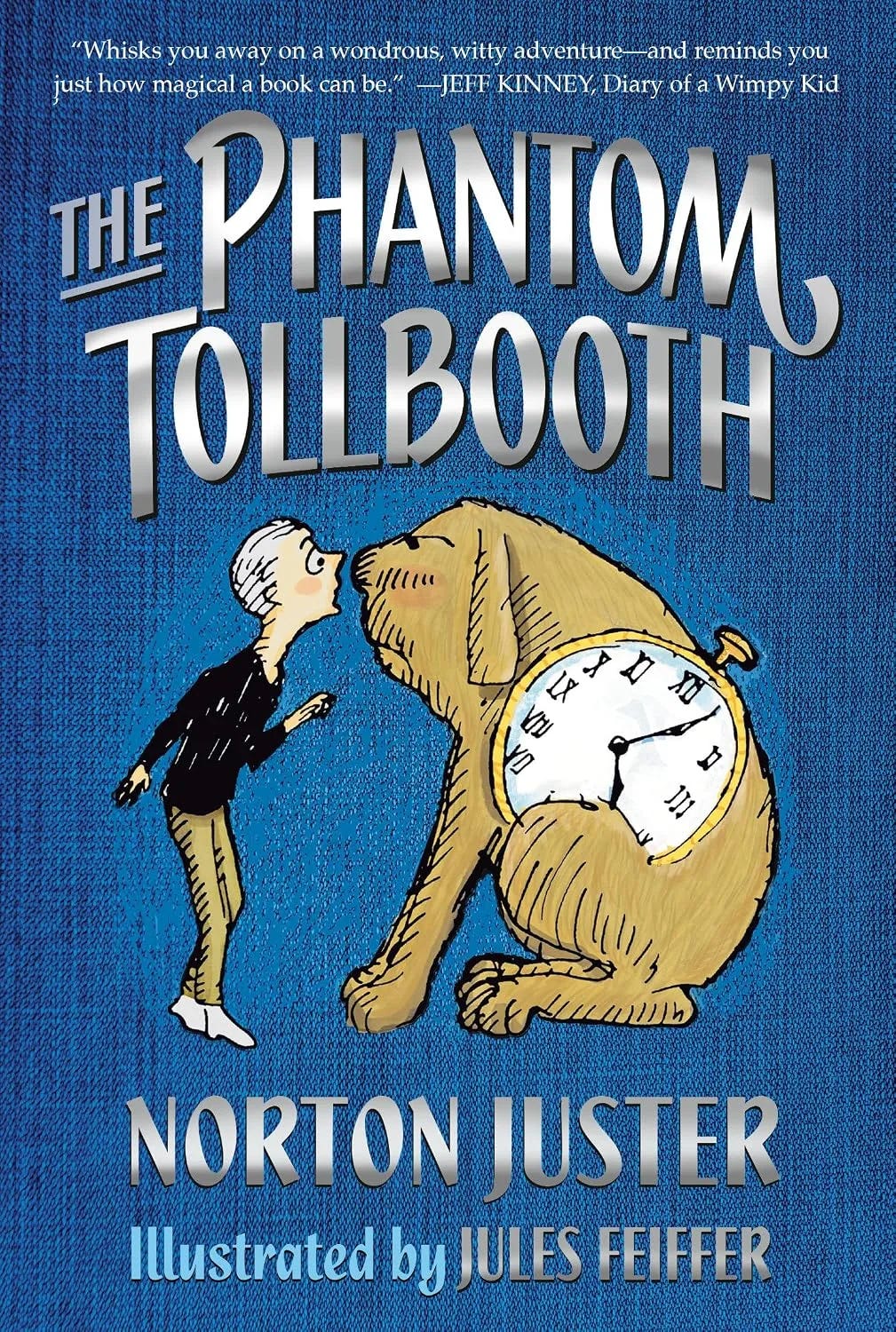
The Phantom Tollbooth by Norton Juster
Earlier this year I began revisiting some of the books I enjoyed growing up. Many of these books have been re-released on audiobooks with incredible narrators. I had actually never read this book, surprisingly—as I listened to it at age 40, I thought about how much 10-year-old Chelsey would have loved it. I don’t know how I made it through childhood without reading this one. It’s wonderfully witty and smart and clever, and it’s narrateed by none other than Rainn Wilson (aka Dwight Schrute).
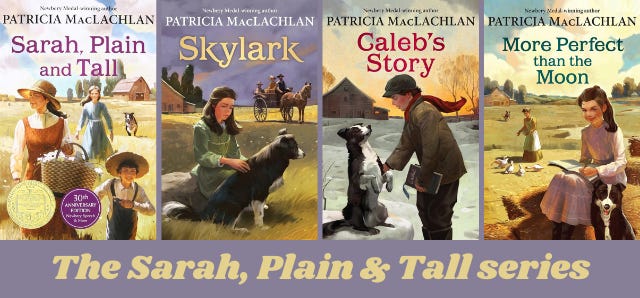
Sarah, Plain and Tall · Skylark · Caleb’s Story · More Perfect than the Moon
by Patricia MacLachlan
Continuing my journey through books of my childhood, the first book in this series is one I remember loving. I also remember watching a film version, and having just looked it up, was surprised to find it was produced in the early 1990s by the Hallmark channel, with none other than Glenn Close in the leading role of Sarah (Close narrates all of the audiobooks). The premise of the first book is that two children, Anna and Caleb, and their father, Jacob, have been living alone on the prairie in the Midwest since the children’s mother died the day after Caleb was born. Jacob puts out an advertisement for a wife, and he begins communicating by letter with Sarah, who lives in Maine. She eventually comes for a visit, and while she initially misses the sea, ends up marrying Jacob and becoming the children’s stepmother. But she breaks all the stepmother stereotypes in how she cares for Anna and Caleb. The rest of the books continue with more adventures of Anna, then of Caleb as he grows older, and then of their half-sister, Cassie, who is born in the third book. (There is also a fifth book in the series.) I listened to the four of these books over two days; they are each no more than about 2 hours long. It was a lovely way to end the month, and I’ve got my eye on some other children’s classics for October.
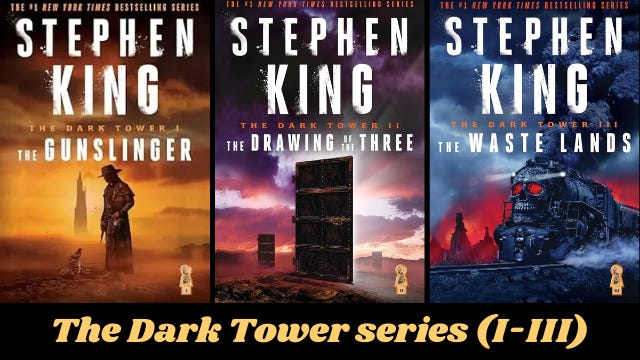
The Gunslinger · The Drawing of the Three · The Waste Lands1
by Stephen King
I have been trying to make my way through Stephen King’s entire collection, which is no small task, but in the midst of that I decided I wanted to revisit his Dark Tower series. This is my third time reading it—the first time was a mix of print and eBooks in 2017, and the second time was listening to all of it on audio in 2026. I decided I wanted to read the print version and purchase my own copies so that I could highlight and write notes as I was reading. I flew through the first two books and managed to finish the third book by the end of the month. (The books get progressively longer: the first book in the series is only a couple hundred pages; the last book is about 900 pages long.)
I honestly think I am enjoying it even more this third time than I have before. To be fair, there are some very disturbing scenes throughout the series (which is standard for Stephen King—he can’t seem to write a book without there being something weirdly sexual involved…. reading in print is great because you can skim past those parts). What is standing out to me in these slower readings is not only what an incredible writer King is but also the number of references to pop culture, the classics, and even the Bible throughout the books.
I’m not going to say much more about these books because I plan to write a post once I’ve read through the whole series, but if you haven’t read them and decide to start, don’t stop after the first book. You absolutely cannot skip the first book, but it is the least exciting book of the series and the setting and pacing is not indicative of the rest of the series. You need to read it so you can begin to understand Roland. Then you get to move on to the second book and meet the rest of the ka-tet (IYKYK), and if you make it to the third book, you will get to meet Oy, who is one of the greatest non-human book characters of all time. In the fourth book, which is one of my favorite books of all time, you will learn about Roland’s backstory, and then the remaining three books are a downhill run toward the conclusion of the series.
That’s it for September! I’d love to know what you read this month, and what some of your favorite childhood chapter books were so I can add them to my list.
The cover of this book continues to bother me because one thing that is harped on in the books is that the evil train, Blaine, is PINK. It’s an important plot point throughout the book. Whoever designed the cover didn’t run it by anyone who had read the book and just took the idea of an evil train and ran with it. In defense of the artist who designed the cover, it is a very scary-looking train.