

Whenever I encounter a fellow reader and I ask what kind of books they like, I always have to hold my tongue when they say they only read fiction. I recognize that all readers are different. Not everyone checked out every book on the Holocaust from the juvenile nonfiction section of the public library in Flint, Michigan, at the age of 10. That said, I still believe with all my heart that readers who say they don’t like nonfiction just haven’t read the right nonfiction.
Nonfiction is as broad of a category as fiction, and it has dozens of subgenres. Books of poetry, essay collections, theological treatises, devotionals, biographies, memoirs, historical analyses, philosophical essays, travel writing, true crime, technical writing, cookbooks, newspapers, magazines, and self-help books are all nonfiction.

I think when people say they don’t like nonfiction, they are thinking about these kinds of books, and what they are really expressing is that they read books in order to immerse themselves in a story. There are others of us who enjoy reading to learn or expand our perspectives and so we enjoy many of these nonfiction genres. But there is a subgenre of nonfiction that I think spans the gap between fiction books and what some might consider dense or boring nonfiction books: narrative nonfiction.
Truth is often stranger and more incredible than fiction, and narrative nonfiction works are proof of that. These kind of books are usually about a certain event or situation, and the book unfolds to the reader in the same way that a fiction book does. There are main characters, plots and subplots, and sometimes even inexplicable foreshadowing. The best narrative nonfiction writers know how to hold the tension between not exaggerating the truth and keeping you invested in the story.
If you are someone who thinks you don’t like nonfiction, I’d like to recommend some of my favorite narrative nonfiction books. I’ve mentioned many of these in previous posts, but that’s because they’re really good.
I’ve got 10 books to share, in chronological order of when the events in the book take place. This just goes to show whether it’s the 1840s or the 2020s, there are always good stories to be told.
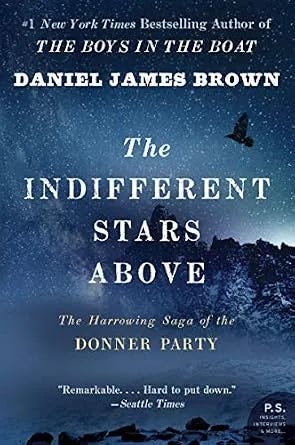
The Indifferent Stars Above: The Harrowing Saga of a Donner Party Bride by Daniel James Brown
This is one of my favorite books of all time, in any genre. Daniel James Brown is one of a few writers who I consider masters of narrative nonfiction. He sets the stage in this book by giving a bit of history about what provoked people to travel out west to find better lives, and then he immerses us in the lives of the people who made up the Donner party. If all you think you know about the Donner party is that they ate each other, trust me when I say there is so much more to the story.
Other books by the same author: Facing the Mountain (about Japanese-Americans during World War II) and The Boys in the Boat (about the American rowing team at the 1936 Olympics in pre-war Berlin). Both of these books are excellent and fall into the narrative nonfiction category. He has also written a book called Under a Flaming Sky, about a firestorm in Minnesota in 1894, but I haven’t read it because I can’t find it in any other form than a long wait for the print book at our library.
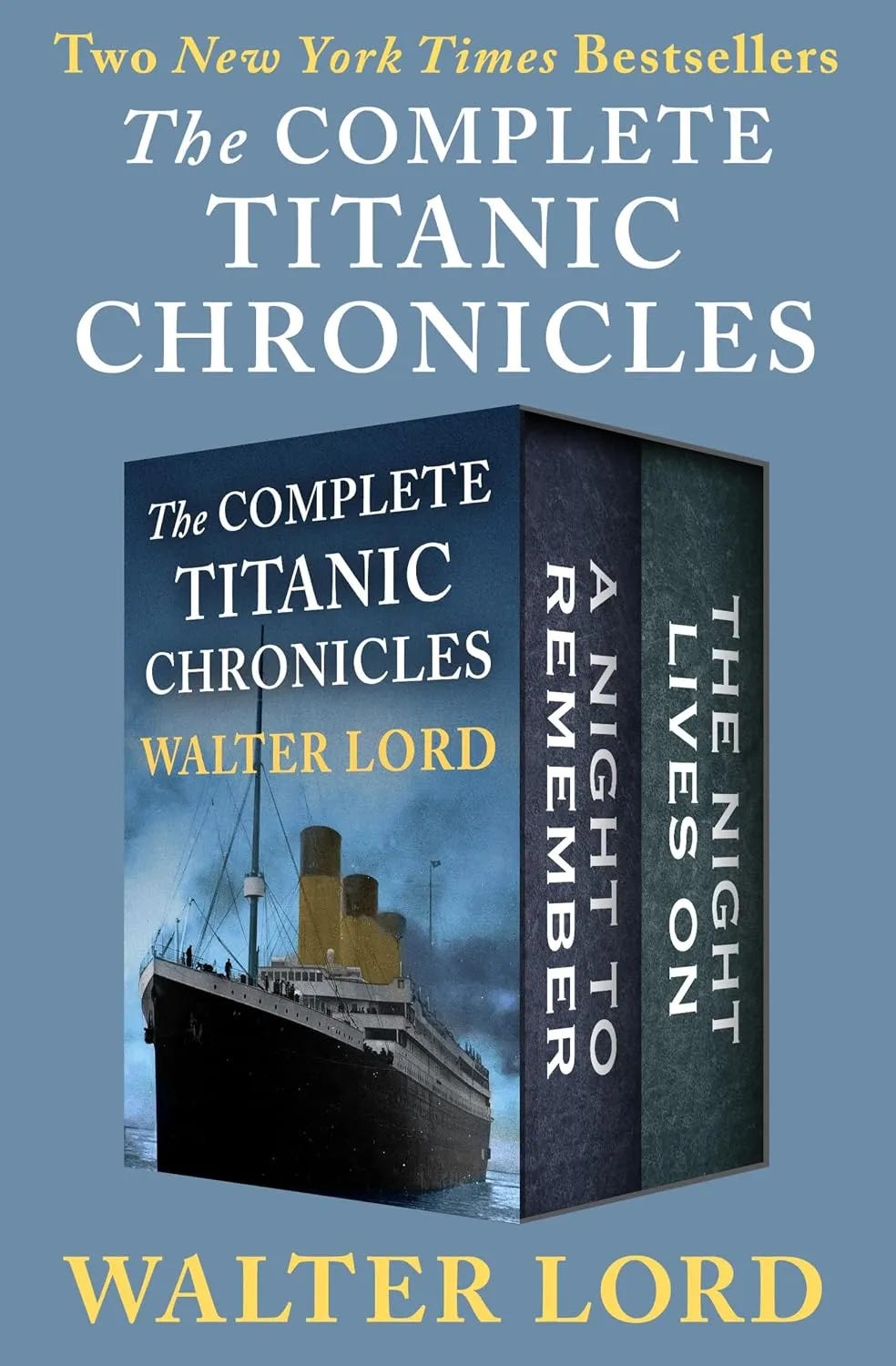
The Complete Titanic Chronicles: A Night to Remember and The Night Lives On by Walter Lord
These two books together make up a story that is more compelling than the film from decades ago could ever be. The firsthand accounts, the meticulous research, and the sense of foreboding the author works into the beginning chapters make it hard to put down, despite the fact that it was published in the 1950s. The fact that every reader knows the iceberg is coming and that the ship is going to sink does not make the experience of reading this book less thrilling.
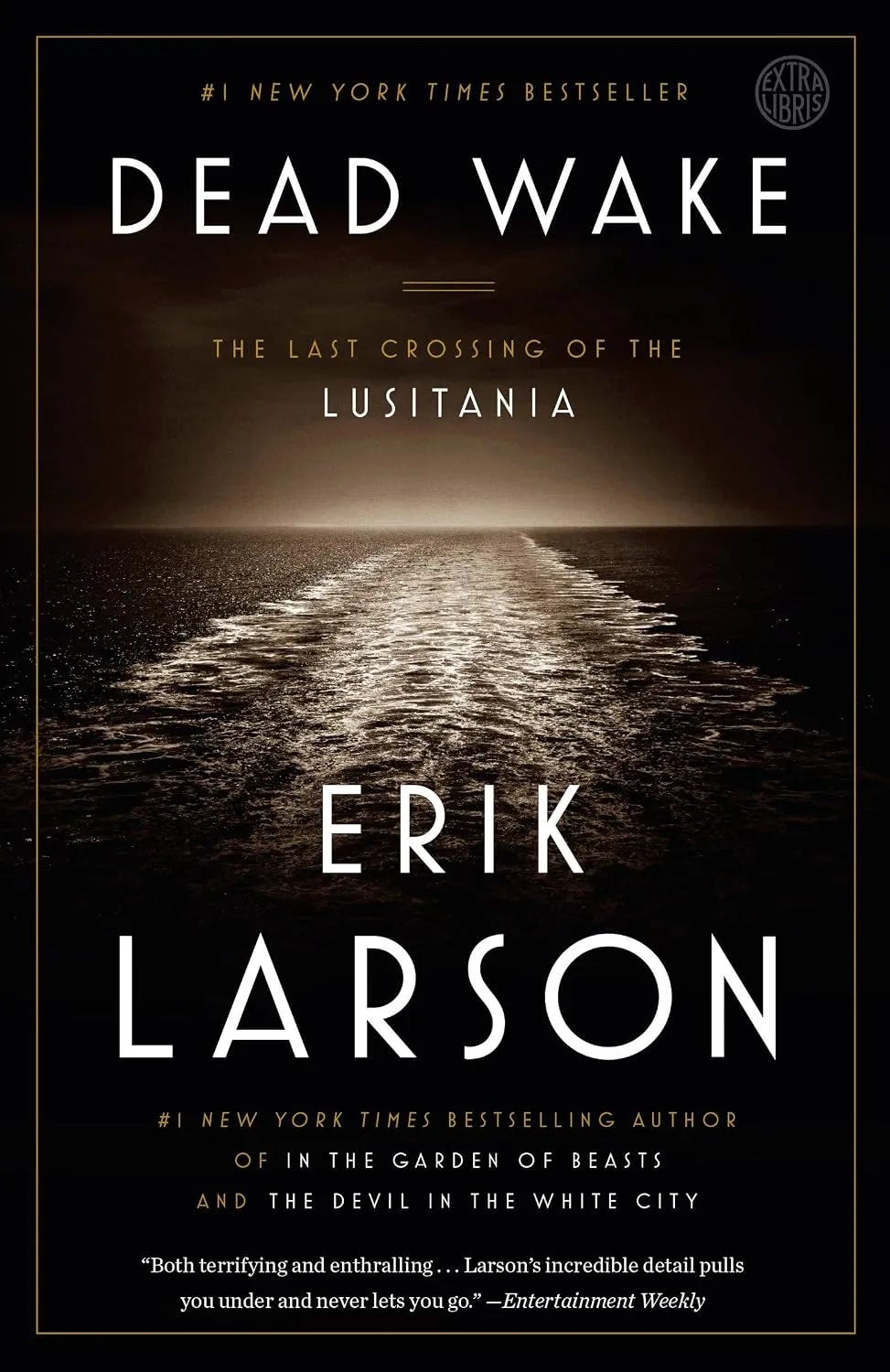
Dead Wake: The Last Crossing of the Lusitania by Erik Larson
Erik Larson is another king of narrative nonfiction, and I think this is his most compelling book. It is about the sinking of the RMS Lusitania by a German U-boat during World War I. For comparison’s sake, the Titanic took several hours to fully sink, while the Lusitania sunk in 18 minutes. This is another book where you know what is going to happen, but you still get sucked into the stories of the people on board.
Other books by the same author: I have read The Devil in the White City (about a serial killer during the 1893 World’s Fair), In the Garden of Beasts (about the American ambassador in Berlin during World War II), The Splendid and the Vile (about Churchill), and The Demon of Unrest (about the events leading up to the start of the Civil War), and I enjoyed them all. I have not read Thunderstruck, although I hope to read it this month, nor have I read Isaac’s Storm (about the 1900 Galveston hurricane), which I’ve wanted to read for forever but keep forgetting about.
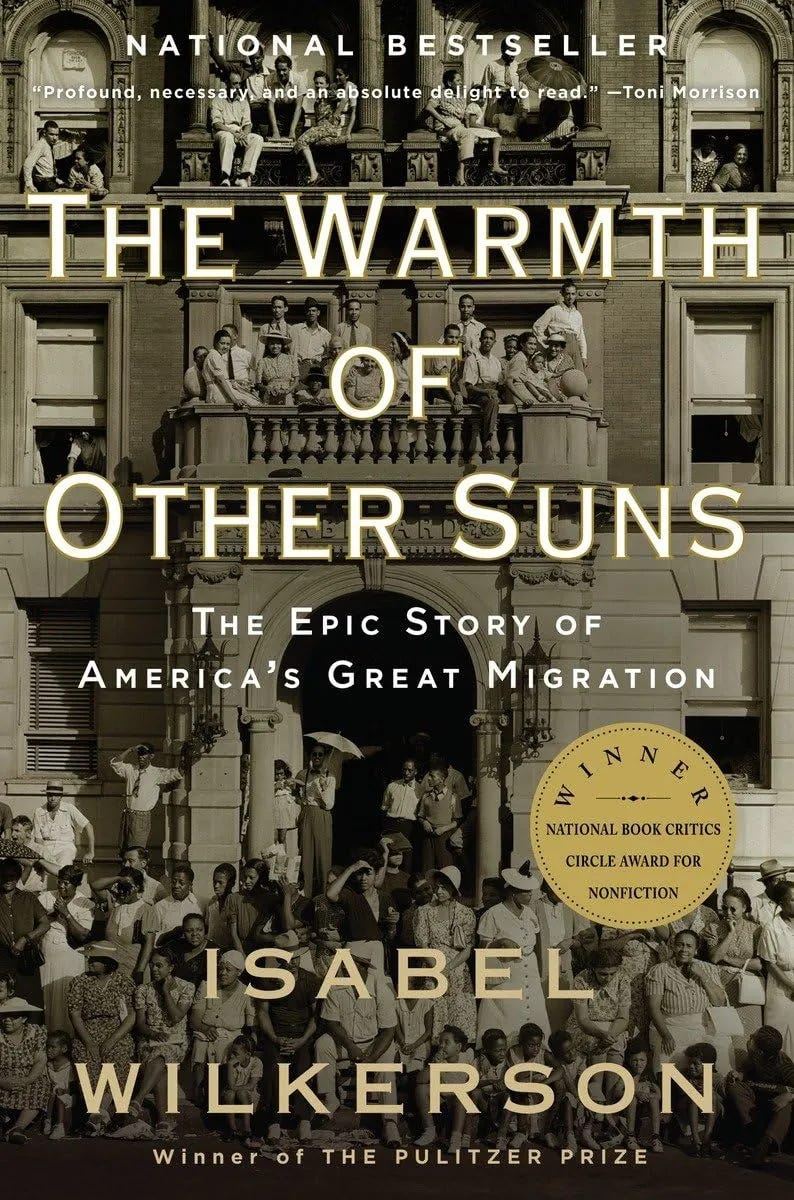
The Warmth of Other Suns: The Epic Story of America’s Great Migration by Isabel Wilkerson
The front of this book doesn’t give away that it is three narrative nonfiction tales in one. Wilkerson follows the true stories of three individuals who each had their own reasons for migrating from the southern United States to other parts of the country in the mid-1900s. It is meticulously researched, and I felt by the end of it that I knew the people in the book personally.
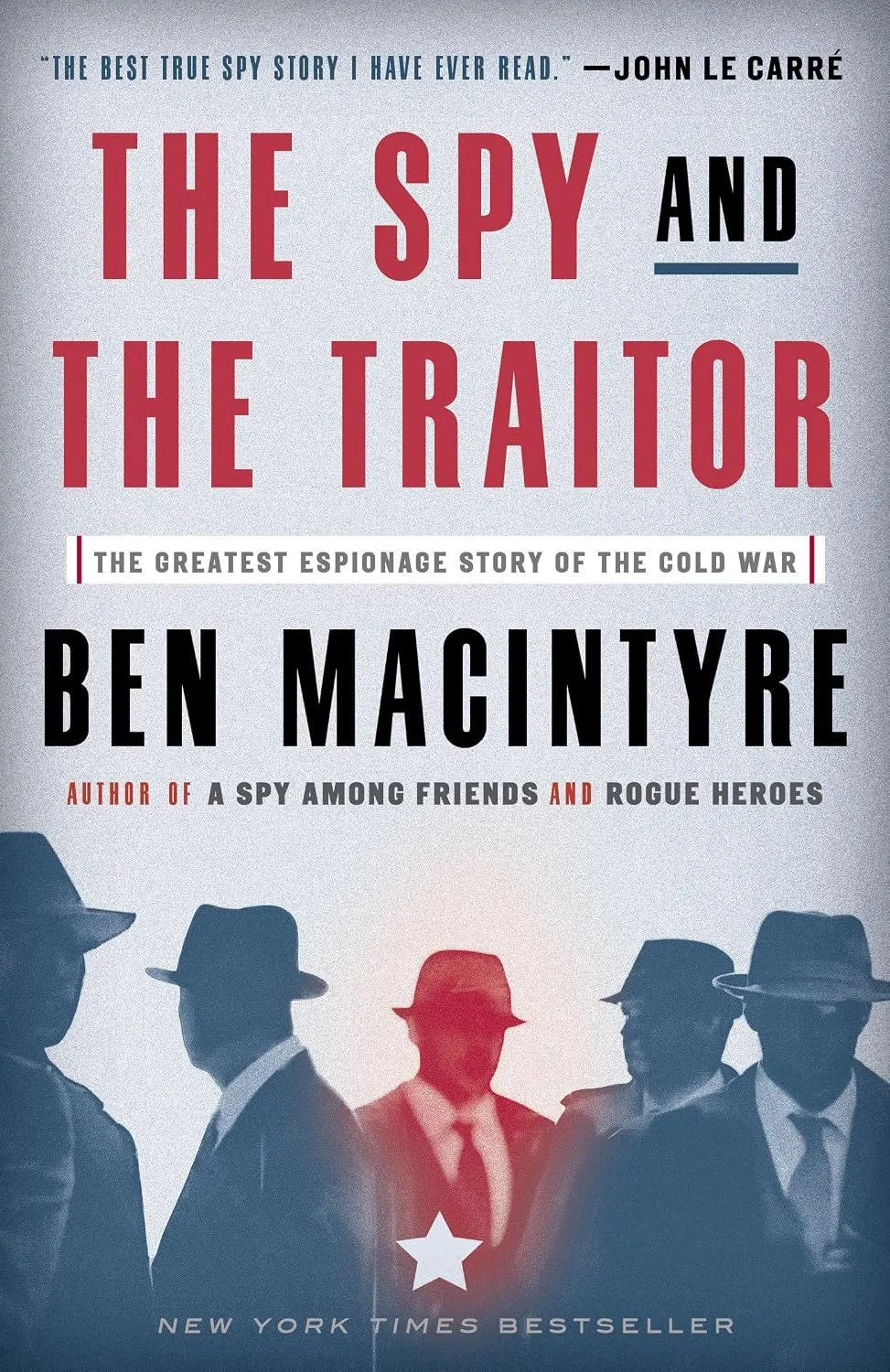
The Spy and the Traitor: The Greatest Espionage Story of the Cold War by Ben Macintyre
I have a deep interest not only in Russia and Russian history but also in espionage. A little fun fact about me is that before I met my husband and my life trajectory was altered, I was planning to spend a year abroad in Moscow learning Russian so that I could be a language analyst at one of the federal intelligence agencies. ANYWAY, I love reading about spies and I love reading about Russia. Ben Macintyre writes incredible narrative nonfiction and even if you weren’t going to work for the CIA like I hoped to, I think you’ll enjoy this book.
Other books by the same author: There are still many books by the author that I haven’t read, but I greatly enjoyed the other two that I have. One is A Spy Among Friends, about a British double agent, and the other is Prisoners of the Castle, about a castle that served as a prison for high-value American soldiers during World War II.
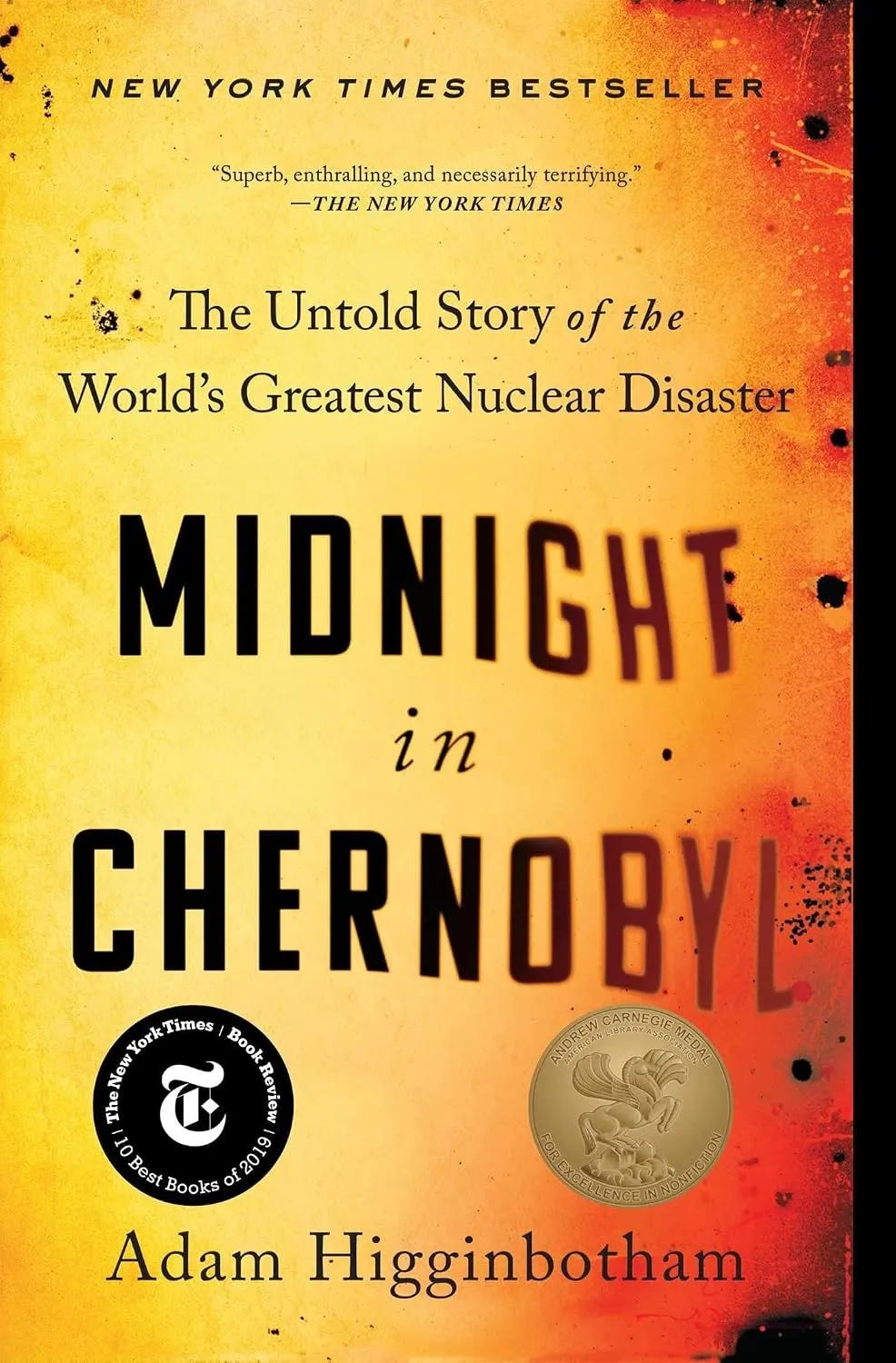
Midnight in Chernobyl: The Untold Story of the World’s Greatest Nuclear Disaster by Adam Higginbotham
Parts of this book delve into nuclear science and out of the realm of narrative nonfiction, but as a whole, I would still consider it to fall in this category. I was a month away from being born when the Chernobyl tragedy occurred, but the ripples of it are still having an impact 40 years later. This book gives the event human faces, whether it’s people who lived in the town, those who were working at the reactor, or those who were called in to help manage the crisis.
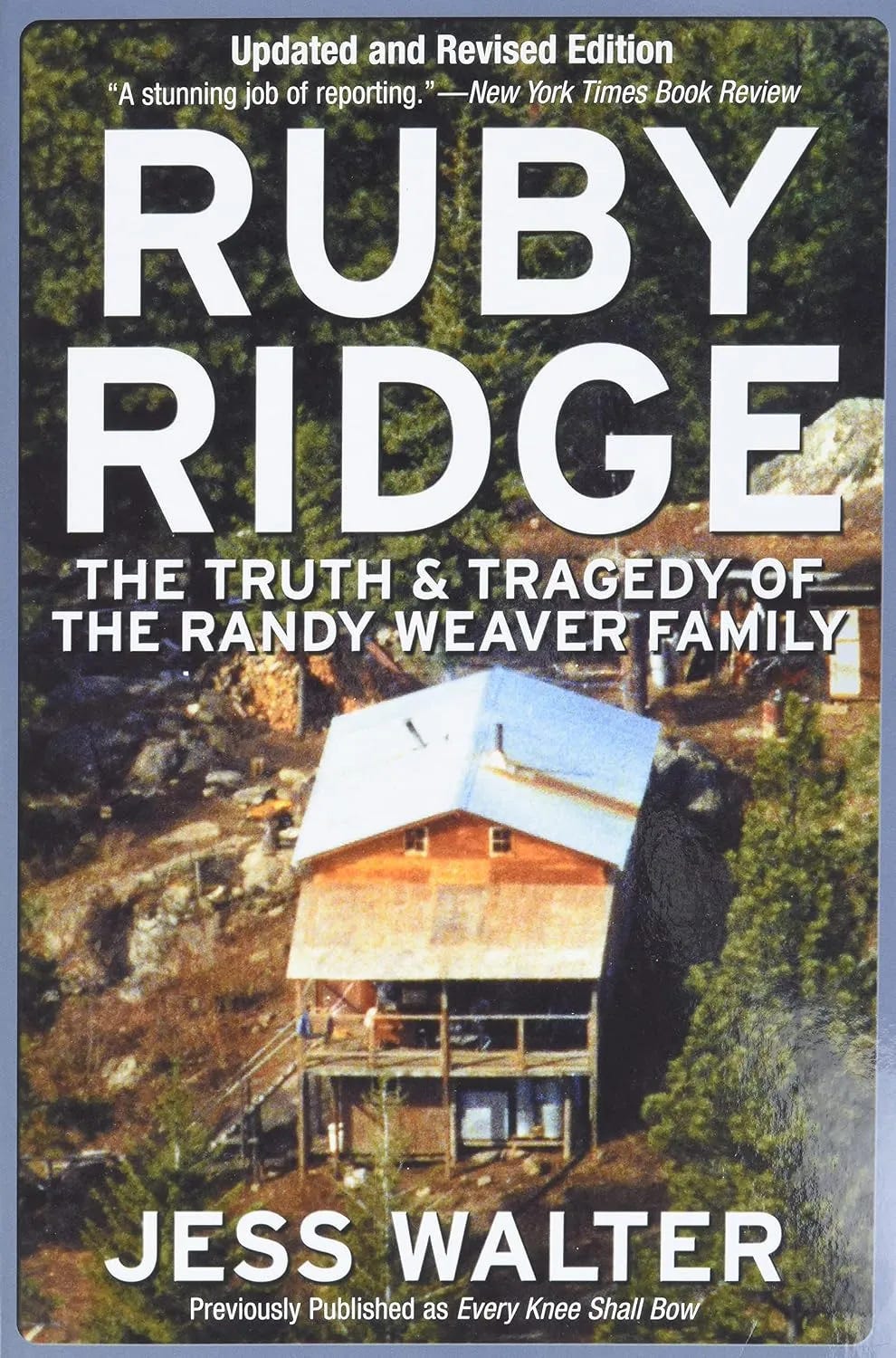
Ruby Ridge: The Truth and Tragedy of the Randy Weaver Family by Jess Walter
All I knew of Ruby Ridge before reading this book was that a crazy, right-wing family holed up in a mountain and some of them got killed because they weren’t listening to the men who were there. That is an extremely inaccurate and simplistic description of the events at Ruby Ridge, and this book starts with how the Weavers met and goes all the way to the present day. It really is a tragic story, and reading this book completely changed my opinion on what happened.
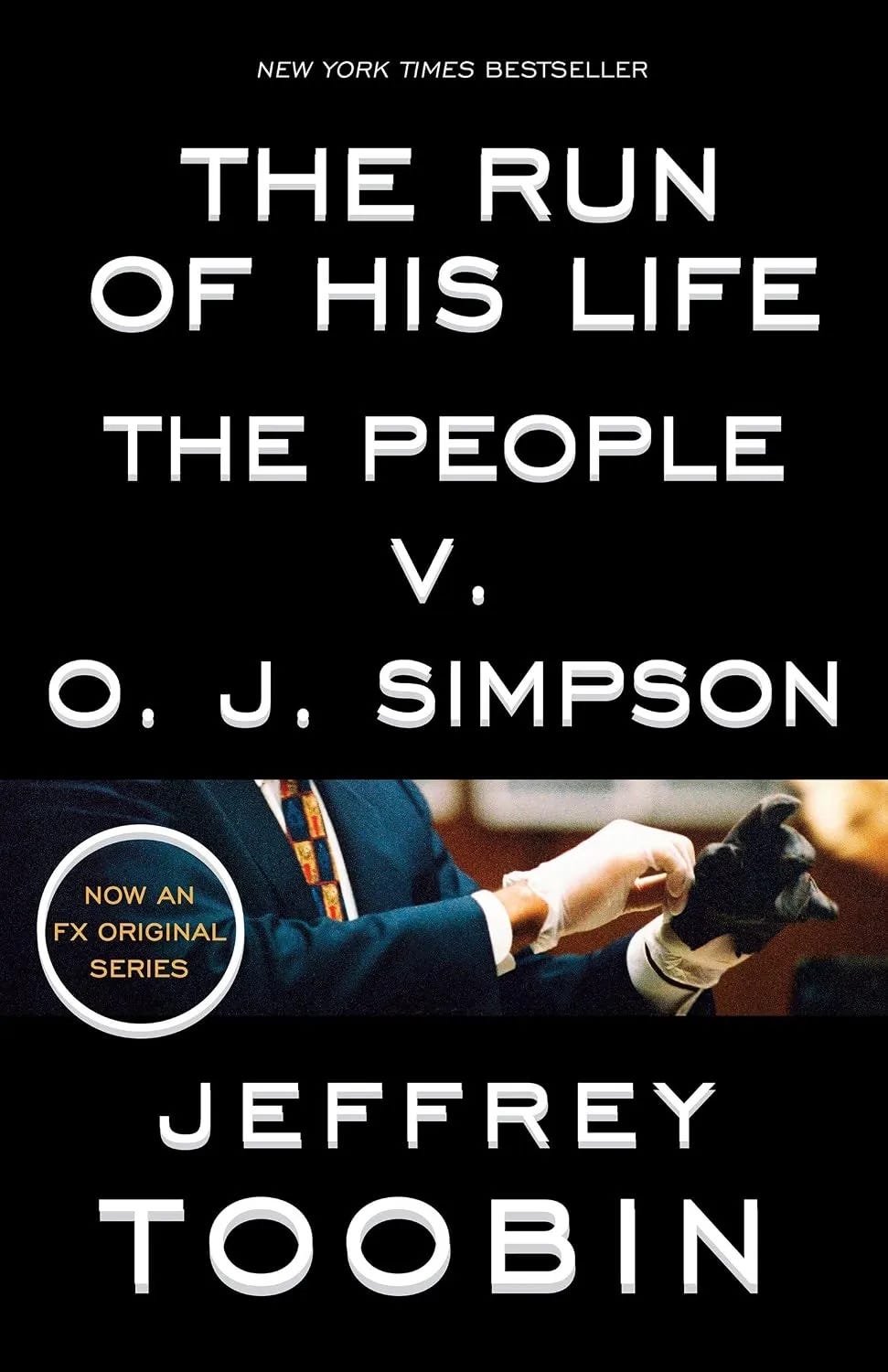
The Run of His Life: The People v. O.J. Simpson by Jeffrey Toobin
This was my first book by Toobin and his experience as a journalist is evident. I was a child when the O.J. Simpson trial happened, but even I remember how it was all over the news and how captivated my parents were with the details. I even remember watching the car chase live on television more than 30 years ago.
Other books by the same author (that I’ve read): Homegrown looks at the Oklahoma City bombing and traces the rise of right wing extremism since then. True Crimes and Misdemeanors is about the impeachment of President Trump. American Heiress is about the kidnapping of Patty Hearst. The Pardon looks at the history of presidential pardons since President Nixon and was way more interesting than I expected.
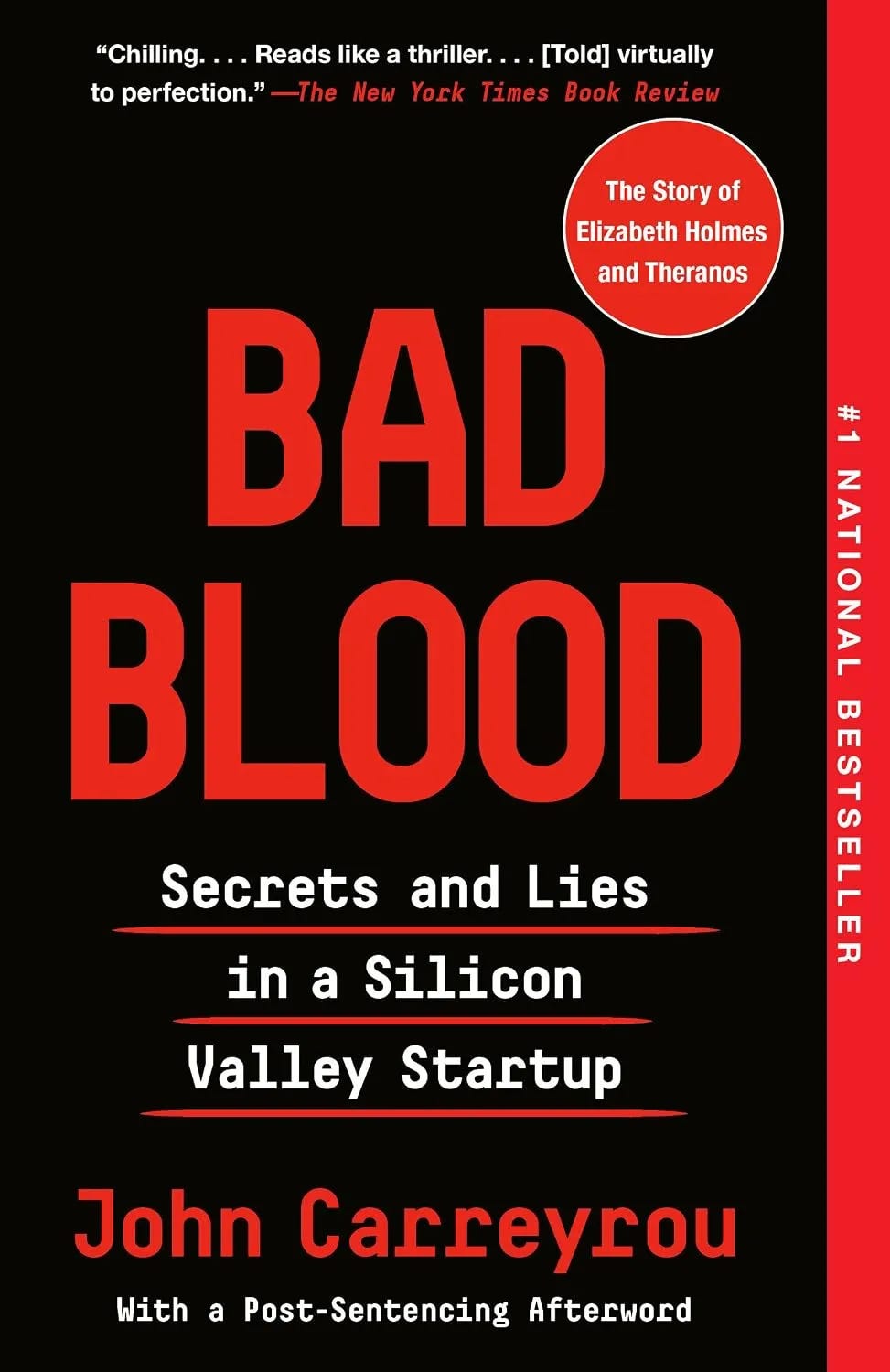
Bad Blood: Secrets and Lies in a Silicon Valley Startup by John Carreyrou
I think this was the first book I read that I realized was narrative nonfiction. I finished it and thought, “I liked that! I want to read more books like that!” And here I am, almost 10 years later, still enjoying the same kinds of books. This book tells the story of Theranos and Elizabeth Holmes, and while much more has happened past where the book ends, it’s still a fascinating story of deception.
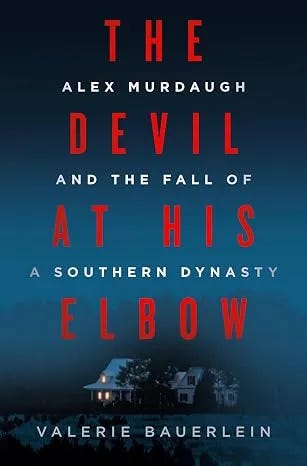
The Devil at His Elbow: Alex Murdaugh and the Fall of a Southern Dynasty by Valerie Bauerlein
When I say I read this book like I would have flown through a psychological thriller, I am not exaggerating. I consumed this book over a few days, despite it being almost 500 pages long. We live only a few hours from Hampton County, so the Murdaugh case was all over the news for many months, but I had not tuned in to any of the coverage and knew very little about the murders of Maggie and Paul Murdaugh. This book had everything I missed and more.
If you’ve never given narrative nonfiction a try, I hope you’ll take a chance on one of these books. And if you do, I’d love to hear about it! If you’re already a fan of this subgenre, what books or authors did I miss? I’m always on the hunt for more books like these.
Mary Roach’s books, all of them.
Great list! I would also add two books—
My gateway book into non-fiction: Into Thin Air by Jon Krakauer
And an amazing read, The Big Burn by Timothy Egan
Recommend to all