

If I had to choose my very favorite book genre, which I wouldn’t want to do, I’d have to say memoirs. I love hearing real stories from real people, whether they are celebrities or not. Honestly, some of the best memoirs I’ve read are by celebrities who are just like us! in the way they describe their experiences.
What makes a good memoir? Anyone can write down what has happened to them over their lives or during a particular season of their lives. What makes it worth reading to me is how the interpret what has happened to them after the fact. None of us can go back in time, so I certainly don’t judge a memoir by how good or bad I think their life has been. A really good memoir is one in which the author looks honestly at what they’ve experienced and shares their thoughts about it after the fact. What this means is that most good memoirs cannot be written too close to the period of time they are describing. While not a blanket statement, memoirs by people under 40 tend to not be that good.
A good memoir also doesn’t have to be written by a celebrity. I think some celebrities write memoirs because they think their fans will consume any content about them, and that is probably true. But a good memoir is relatable, regardless of how famous the person is or what kind of once-in-a-lifetime experiences they have had. Memoirs where famous people just talk about all the cool things they’ve done and name-drop other celebrities are not good.
Good memoirs also have honest analyses of past decisions and choices. You can tell when the author of a memoir has been to see a therapist. There are no excuses made for bad choices; only explanations that the reader can relate to. For example, if I am recalling a period of my life when I was extremely depressed and failed to keep up with important obligations, I can talk about why I was depressed and why I felt like I couldn’t do anything, and I can also express grief at the way that impacted my family. But there are ways I could describe that time that are self-absorbed, and that would not be fun to read about unless you just enjoyed disliking me.
The following memoirs failed to pass the official Chelsey Crouch “good memoir” test. These books being on the list are not necessarily a judgment on the people who wrote them. I just don’t think they’re worth spending time reading when there are so many other incredible memoirs out there.
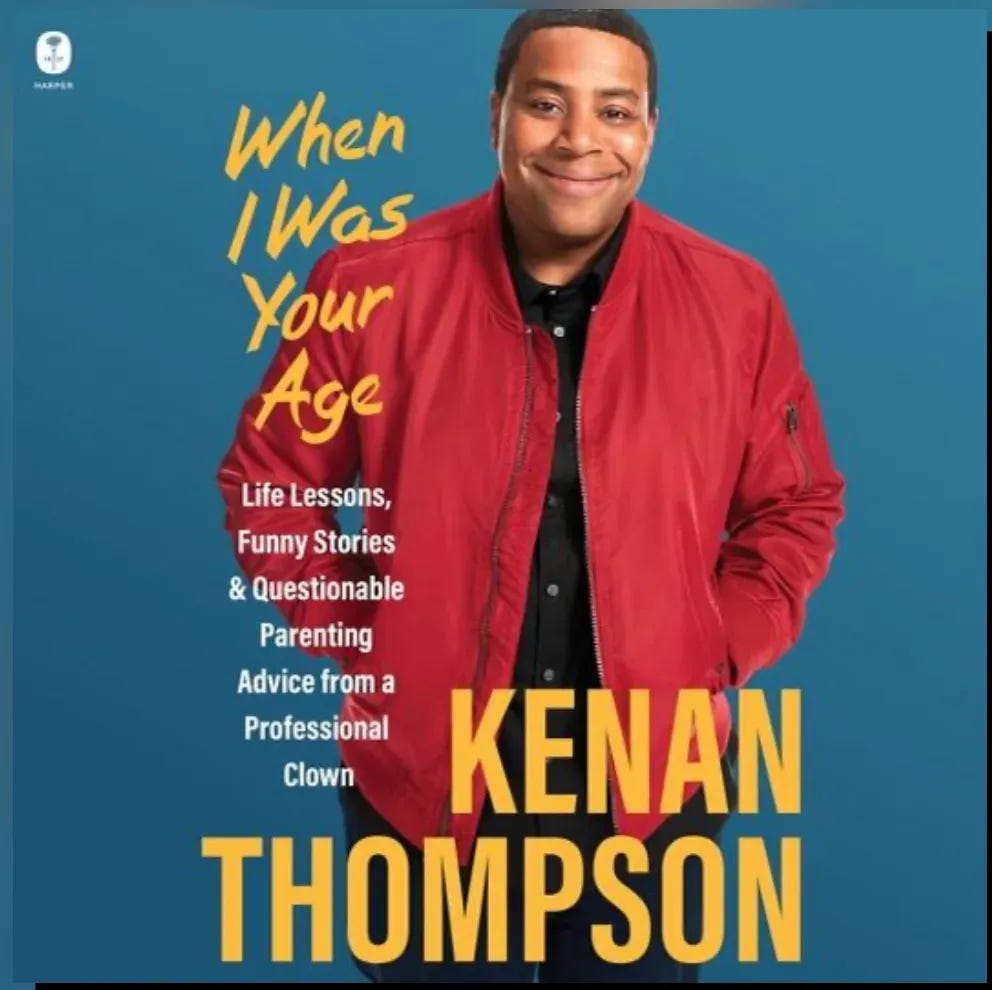
When I Was Your Age by Kenan Thompson
I watched All That and Kenan and Kel growing up and have enjoyed much of Kenan’s more recent work on Saturday Night Live, so I figured his memoir would also be entertaining. Unfortunately, it wasn’t really funny, and it felt like he wrote it just to pat himself on the back for how his life has turned out. The only parts I enjoyed were describing his time working with Kel and how the two of them reconciled their damaged relationship.
This book made it onto My 18 Least Favorite Books of 2024 list.
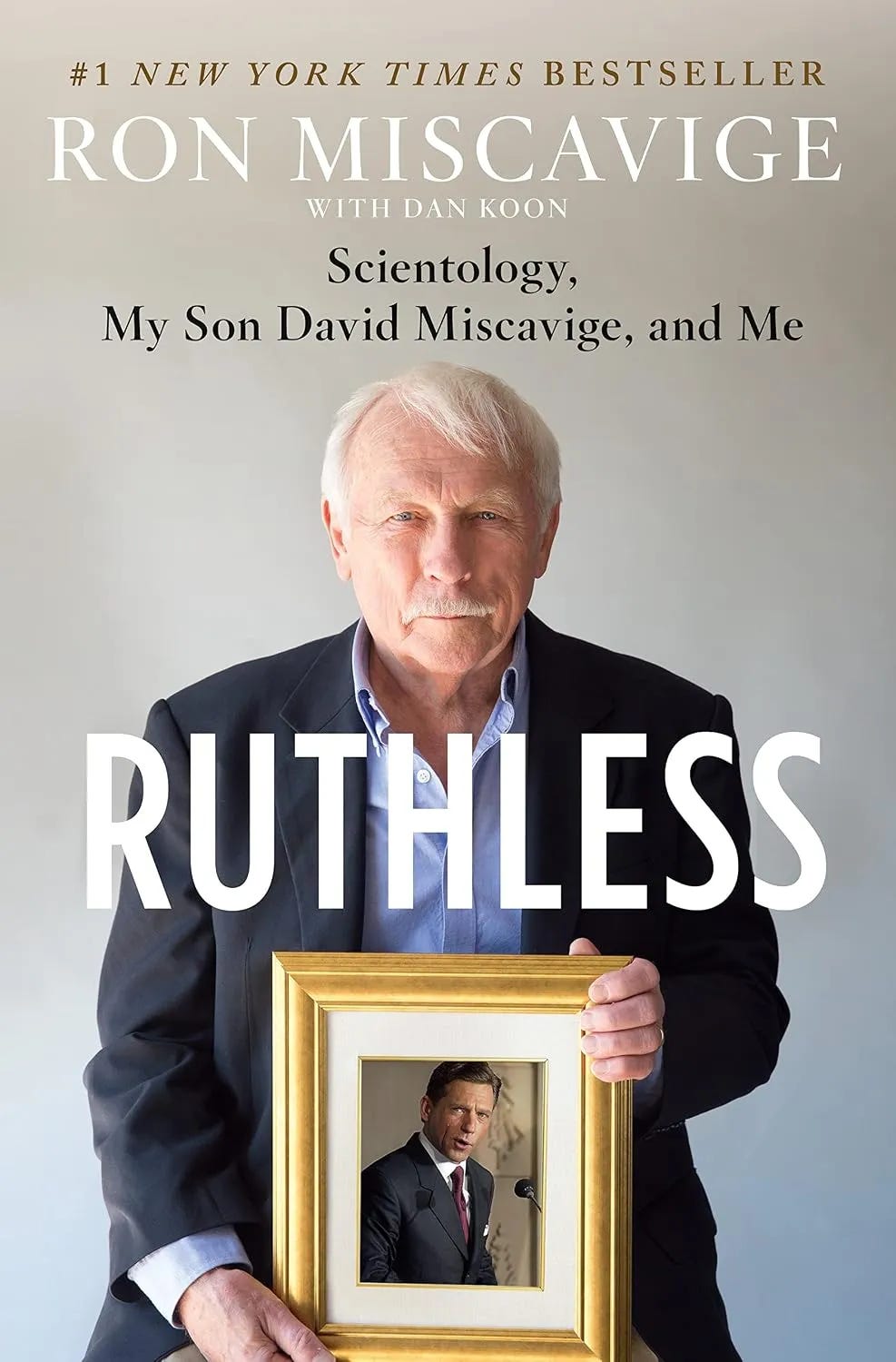
Ruthless: Scientology, My Son David Miscavige, and Me by Ron Miscavige
I love reading about cults, as you might already know, so a book about Scientology from someone on the inside piqued my interest. Unfortunately, this book failed to pass the “Is the author relatively self-aware?” test. Miscavige is unable to recognize that he was an active member of a harmful group of people for decades and he attempts to make himself out to be a victim of Scientology. He does a lot of name-dropping and most of the book is written as self-congratulatory. He wrote the book within only a couple of years of “escaping” Scientology, and I just don’t think enough time had passed for him to give an honest accounting of his experience.
Here are 21 Books about Cults and Groupthink that I enjoyed.
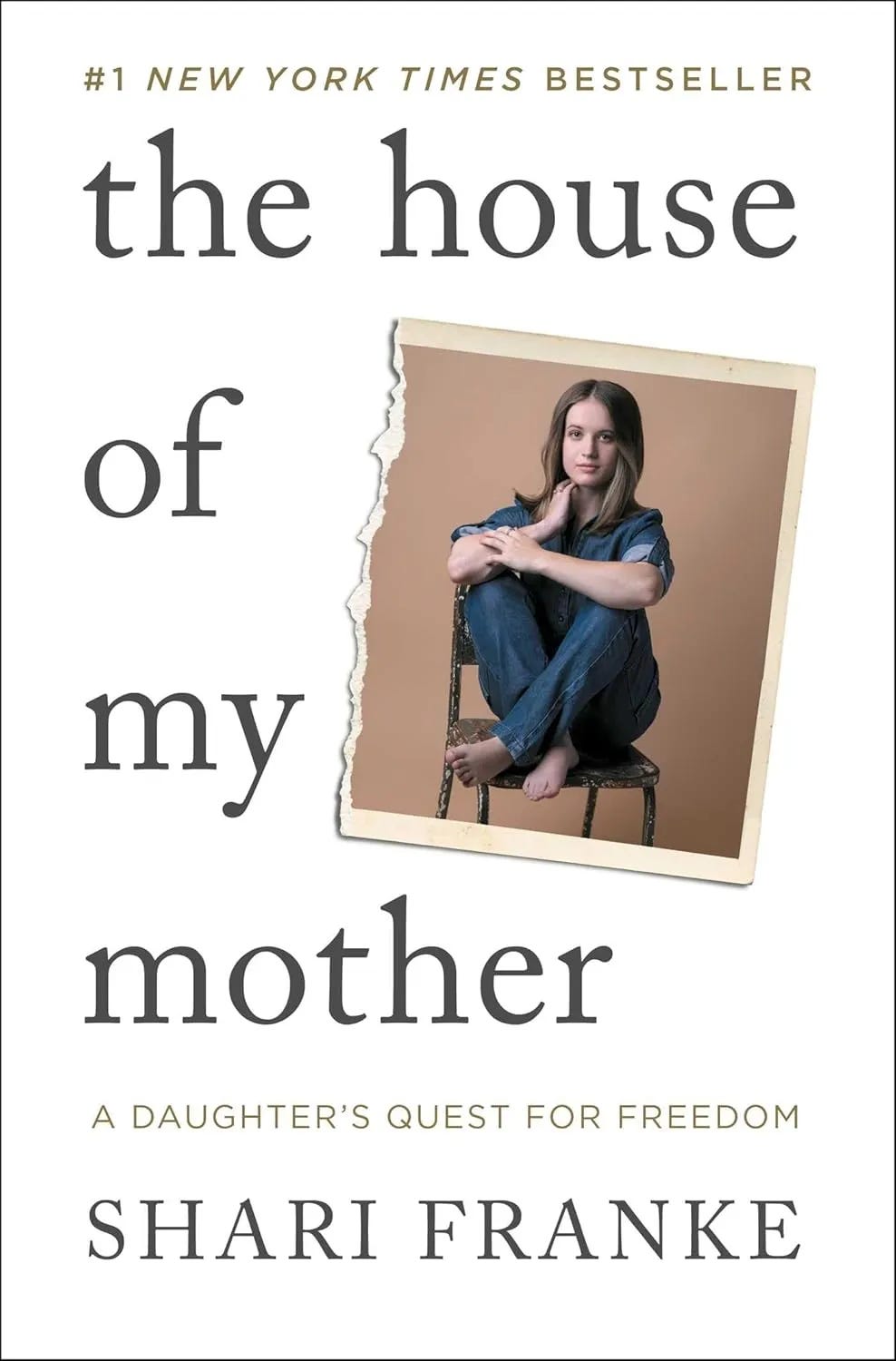
The House of My Mother: A Daughter’s Quest for Freedom by Shari Franke
I want to write about this book carefully, because I don’t want to discount the author’s experiences, most of which happened when she was a minor. No child should have to experience what she and her siblings experienced, and my heart aches at how her parents failed to care for her. However, this memoir was also written, I think, too soon after the experiences she was writing about. I think she needs many more years of therapy and loving community to be able to fully process her childhood.
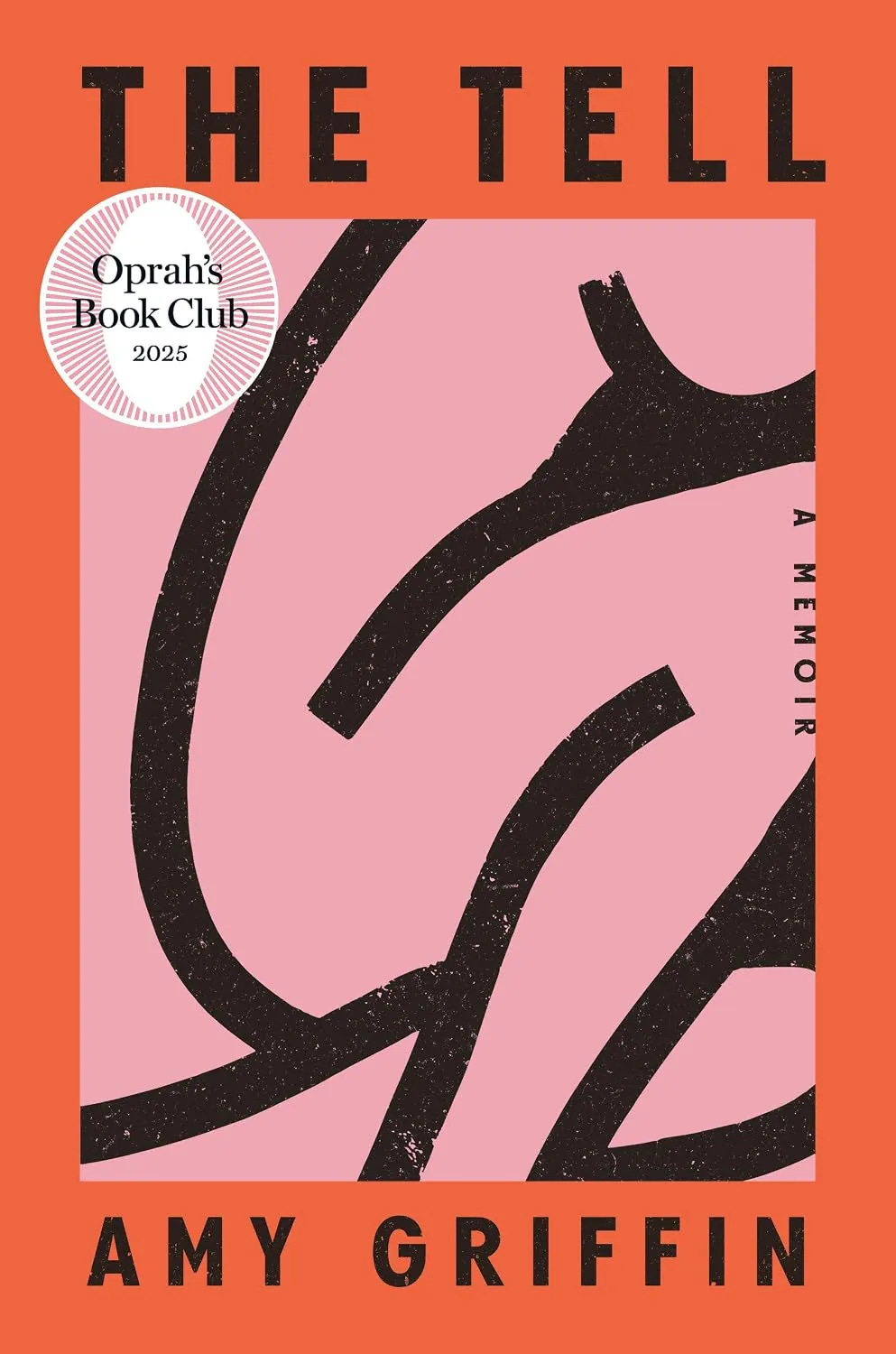
The Tell: A Memoir by Amy Griffin
If you’d like to read about the controversy over this book and whether the author actually stole someone else’s abuse story and told it as her own, please read this post by Brooke Warner. That said, I read this before any of this had come out, and I already didn’t enjoy it—not because I thought she was lying, but just because it was so weird. The author claimed to have buried her abuse experience for years, and the only way she was able to help herself remember what happened was through psychedelic drugs. Now that the truth has come out about her stealing the story, all of this makes a lot more sense.
Here’s another recent article related to conflict of interest between the author and drug manufacturers.
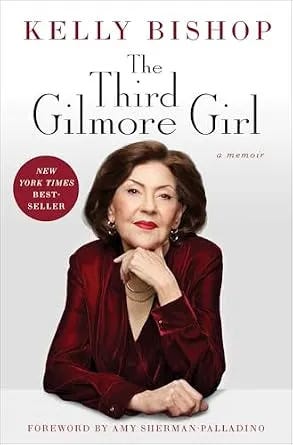
The Third Gilmore Girl by Kelly Bishop
I was an original Gilmore Girls fan—it was on when I was in high school, and my best friend and I binged each new season when it came out on DVD. Emily Gilmore was one of those characters you love to hate but who over the course of the show becomes someone you understand and love in her own right. The first half to two-thirds of the book were fine. I had no idea she was in A Chorus Line or her other work before Gilmore Girls. But toward the end of the book, things took a wild turn. I won’t spoil anything, but I will say that I have found many celebrity memoirs especially end with descriptions of the author’s spiritual explorations as they try to make sense of their lives. I found Bishop’s uncomfortable and off-putting, and not just because I am a Christian and she is not. It was just weird, and it ruined the whole book for me.
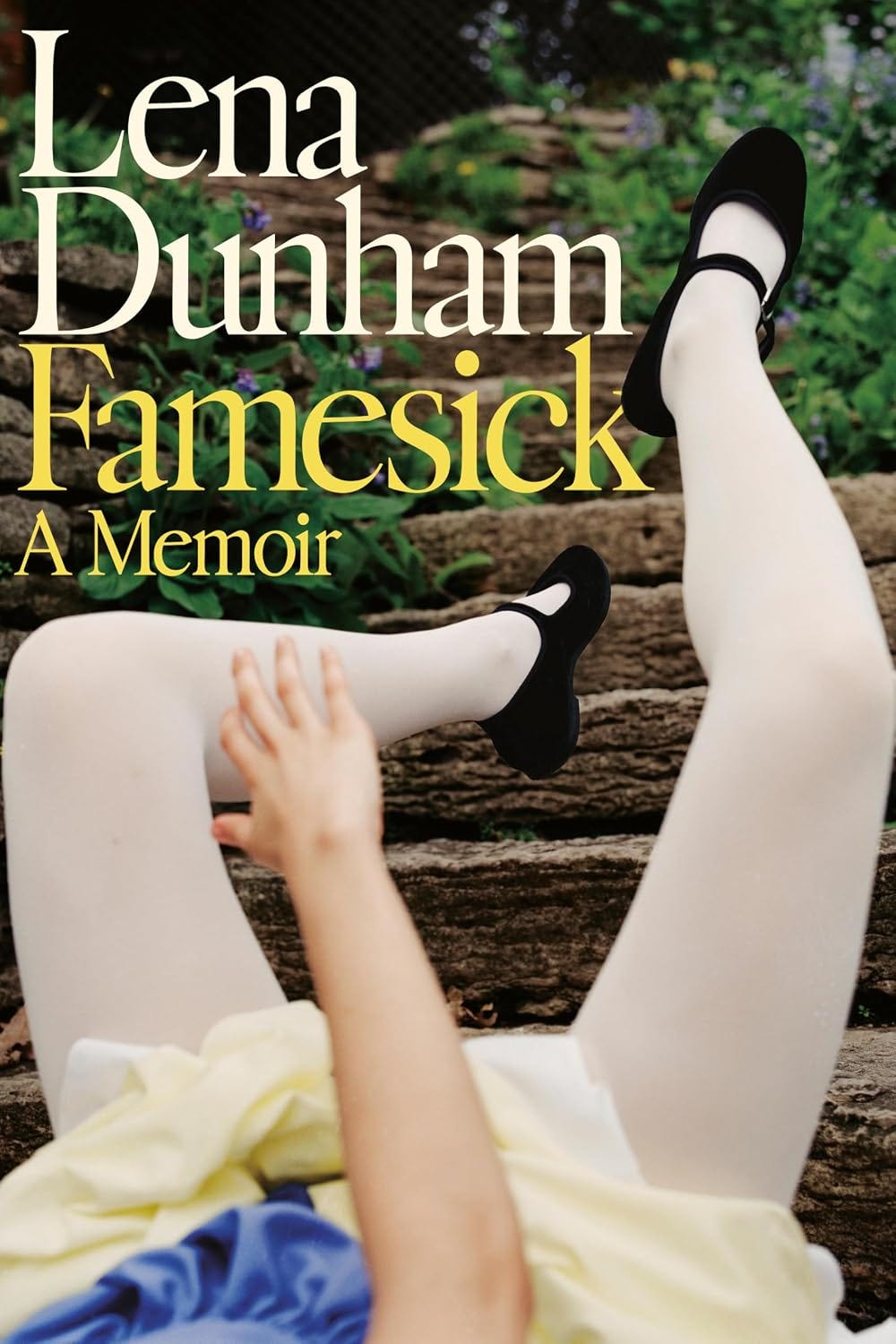
This was a recent finish for me, and I only finished it because I was hoping it would redeem itself by the end. This book was not enjoyable at any point. It was sexually graphic almost to the point of being pornographic when she was describing her own sexual experiences. She made a lot of decisions and choices in her twenties that had painful consequences and yet she seemed to be about one step away from seeing how those choices affected other people. It mostly just made me sad. She has serious chronic health issues and I could relate to that given my own experience over the last few years, and I certainly have compassion on her, but this is another case where she is writing while she’s still in her 30s. Not enough time has passed.
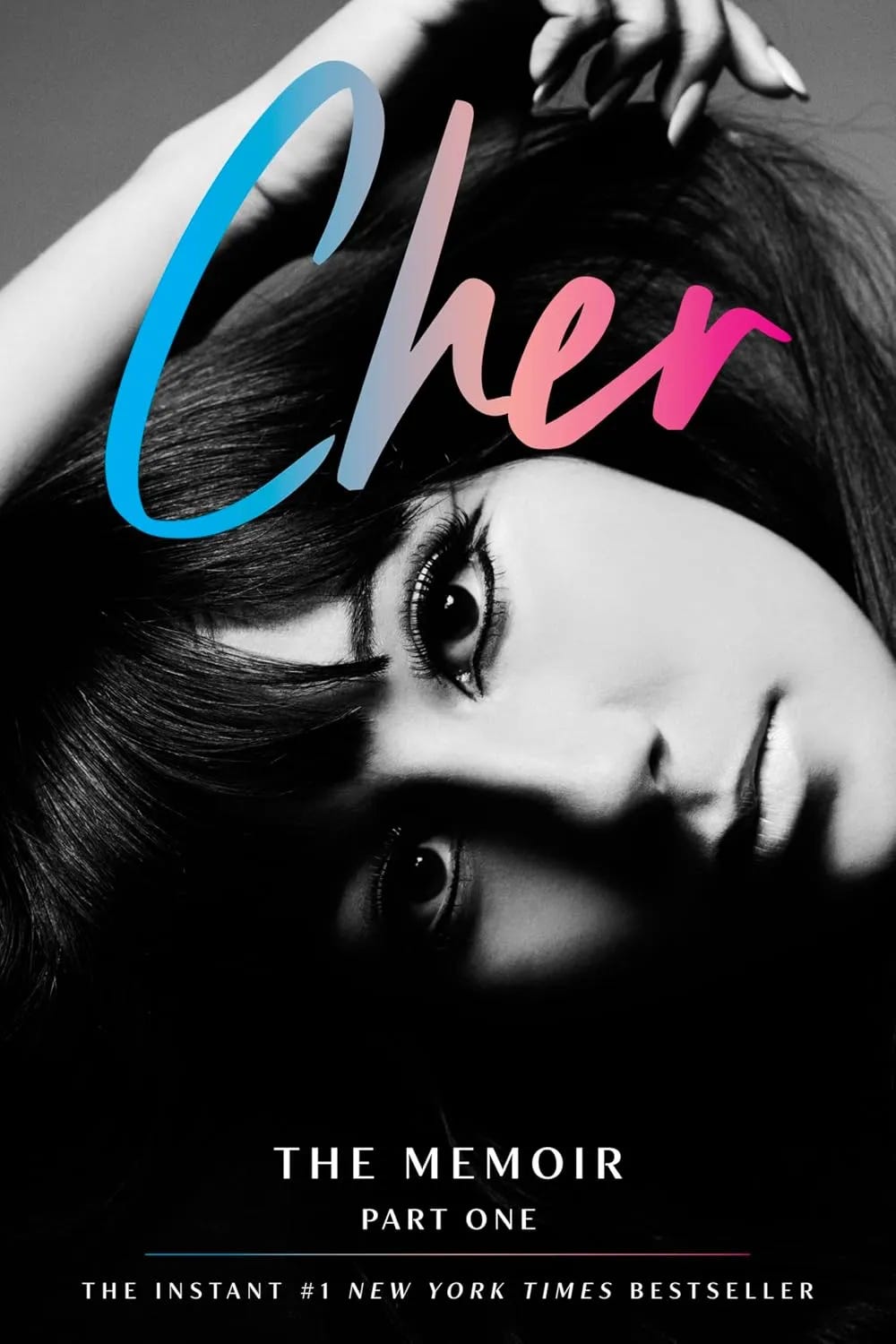
Now we move on from memoirs I just didn’t enjoy into the realm of memoirs that made me wonder if I, along with Amy Griffin, was taking psychedelic drugs when reading them. Cher’s memoir kept me listening because it was just one crazy story after another, but I was also so glad when it was over. Parts of her story are fascinating, especially describing how she and Sonny became famous. But she talks about a lot of things that make you want to stop and say, “Wait, what?” and she just keeps going. The part of this book that I still think about sometimes is how she frequently criticizes her mother for neglecting her as a child, but then she also describes all the times she left Charity/Chaz with someone else while she was performing/touring/traveling. The disconnect was jarring. If you are a music person, you’ll probably enjoy this for all the name drops, but otherwise, I’d skip it. I don’t think I’ll be continuing when part 2 comes out.
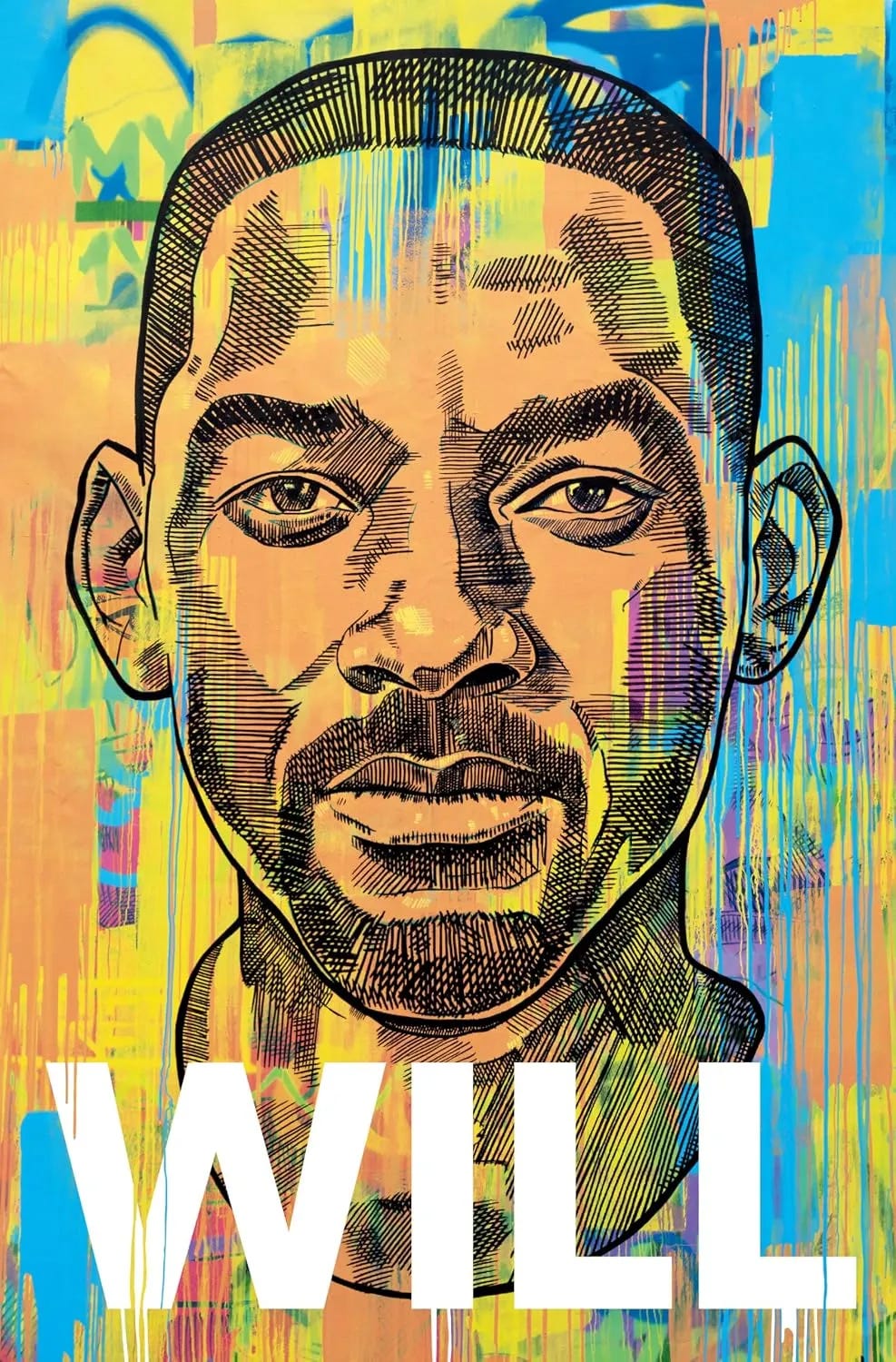
On the Amazon page for this book, Oprah says this is the best memoir she has ever read. Oprah appears to be a big reader, and so her endorsement makes me wonder if she focuses on other genres and that this was the first memoir she has ever read. The only thing this memoir has going for it is that Will Smith narrates it and I like his voice. While it has plenty of interesting anecdotes, what I took away from this memoir was that Will Smith does not seem like a very nice person, and he is either not aware of it due to an extreme lack of emotional intelligence, or he knows he is not a nice person and doesn’t care, because he makes a lot of money and is very famous.
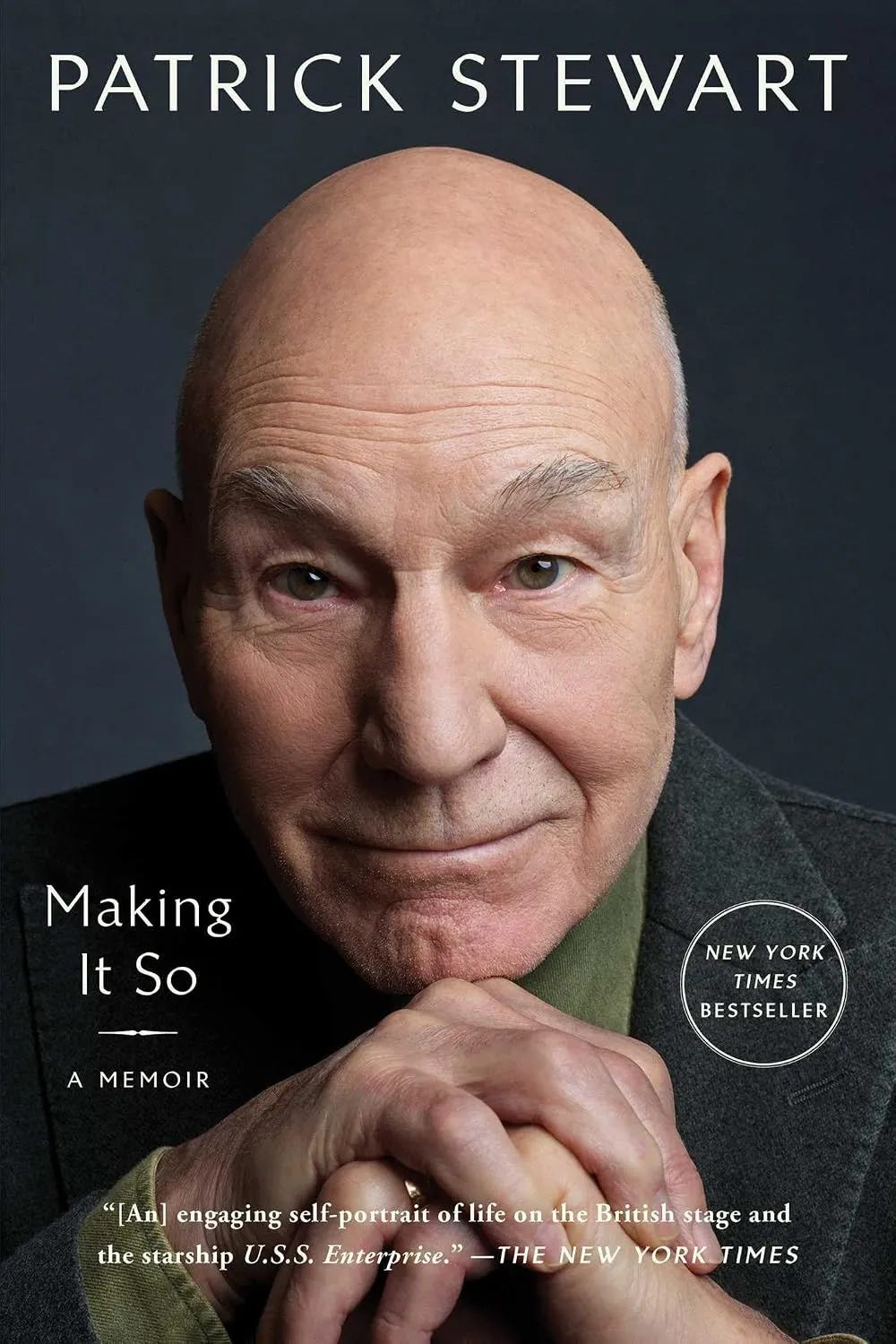
Making It So: A Memoir by Patrick Stewart
This book could have passed my good memoir test if it weren’t for Stewart’s chronic infidelity and his inability to acknowledge how his unfaithfulness in his romantic relationships impacted other people. He comes across as remarkably humble when describing his acting career and his experiences with other celebrities, and he does express regret over some of his infidelity. But overall he comes across as someone who hasn’t examined his own choices over the years, despite being 86 years old. (I do love his voice, though.)
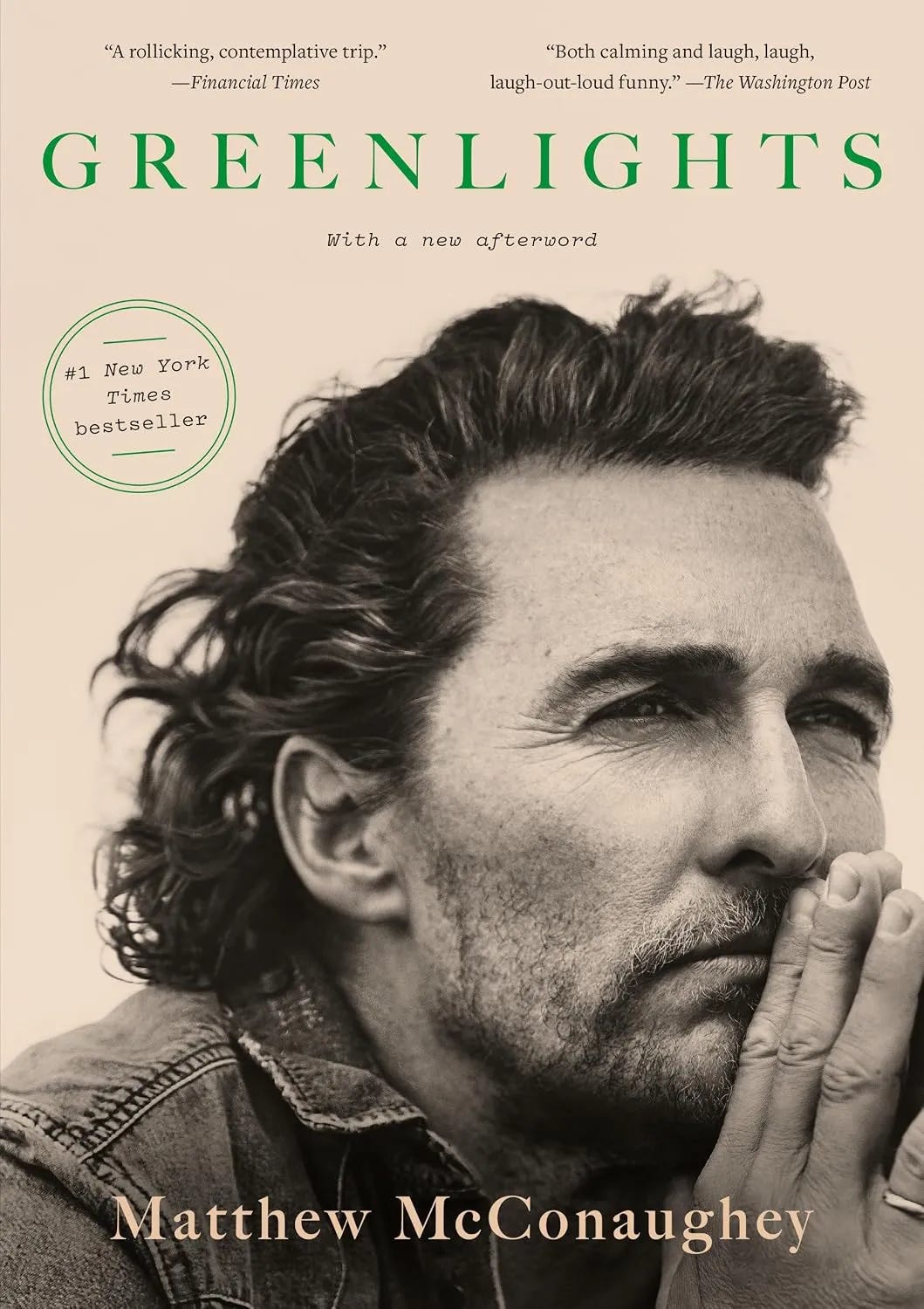
Greenlights by Matthew McConaughey
I have saved my least favorite memoir of all time for last, because I disliked it so much. I didn’t just not enjoy this book. I hate-listened to it.
I expected to enjoy it. I had no reason going into it to have any negative opinion of Matthew McConaughey. Of course, all I knew of him were characters he had played in movies, and so I guess I shouldn’t have assumed I actually knew him as a person, but I didn’t expect him to come across as possibly crazy. Here are a few quotes from the book…
The arrow doesn’t seek the target, the target draws the arrow. We must be aware of what we attract in life because it is no accident or coincidence. The spider waits in his web for dinner to come. Yes, we must choose what we want, seek it out, cast our lines in the water, but sometimes we don’t need to make things happen. Our souls are infinitely magnetic.
This is a belief known as the law of attraction. Essentially, it says that you attract whatever you put out. So if you are being a nice or good person, you will attract goodness into your life. If you are trying to be successful and making good choices, success will find you. Now, here’s the thing: this is probably a way to interpret the life of most famous actors and actresses who weren’t nepo-babies — they stumbled into success. But for the rest of us, and even for these celebrities, if they’re honest, the truth is that’s not how life really works. We all know times when we have done all the right things, and it has not made life easier.
Sometimes which choice you make is not as important as making a choice and committing to it.
This is truly terrible advice. I’m imagining telling my newly driving teenager that it doesn’t matter which choice he makes when he’s driving; he just needs to commit to it. Actually, never mind—please NEVER do that while driving. Also don’t do it when choosing a spouse or deciding whether or not to commit a crime.
Catching greenlights is about skill: intent, context, consideration, endurance, anticipation, resilience, speed, and discipline. We can catch more greenlights by simply identifying where the red lights are in our life, and then change course to hit fewer of them.
What are we talking about, Matthew? This is self-help nonsense at its finest. Many people do not have the luxury of not only identifying their red lights but also changing course. I think of people who are living with chronic pain, or who have experienced great loss, or who have a child who is disabled. Sometimes the red lights, whatever those even are, are unavoidable. I also don’t really know what a greenlight is. This is not helpful to anyone.
I would love to know if you have read any of these memoirs and liked them more than I did, and if so, what redeemed them for you. Also, do you have any other thoughts on what makes a good memoir?
One day soon I’ll be writing about memoirs I absolutely loved, so stay tuned.
I felt the same way about Patrick Stewart's memoir! I liked everything except his attitude and lack of true self-reflection about his infidelity. And you're right, he seemed able to be reflective about every other area of his life. It was a bummer.
As a part memoir writer on Substack, I enjoyed this very much Chelsea! I like your comment about how if you’re going to write a great memoir, you need to be 1. Above 40 and 2. Have done therapy. It takes some serious self-reflection to be able to write about your life and point the mirror at yourself, to be relatable and to write well. Have you ever read They Called Us Exceptional by Prachi Gupta? That’s a perfect example of someone who did the hard work and wrote a great book.
And thanks for your analyses. Memoirs by celebrities are often written by ghost writers and I find them to be less worth my time as there are so many great authors out there.